productlist

glazes manganese (II) carbonate for Ceramic Formulations

glazes manganese (II) carbonate

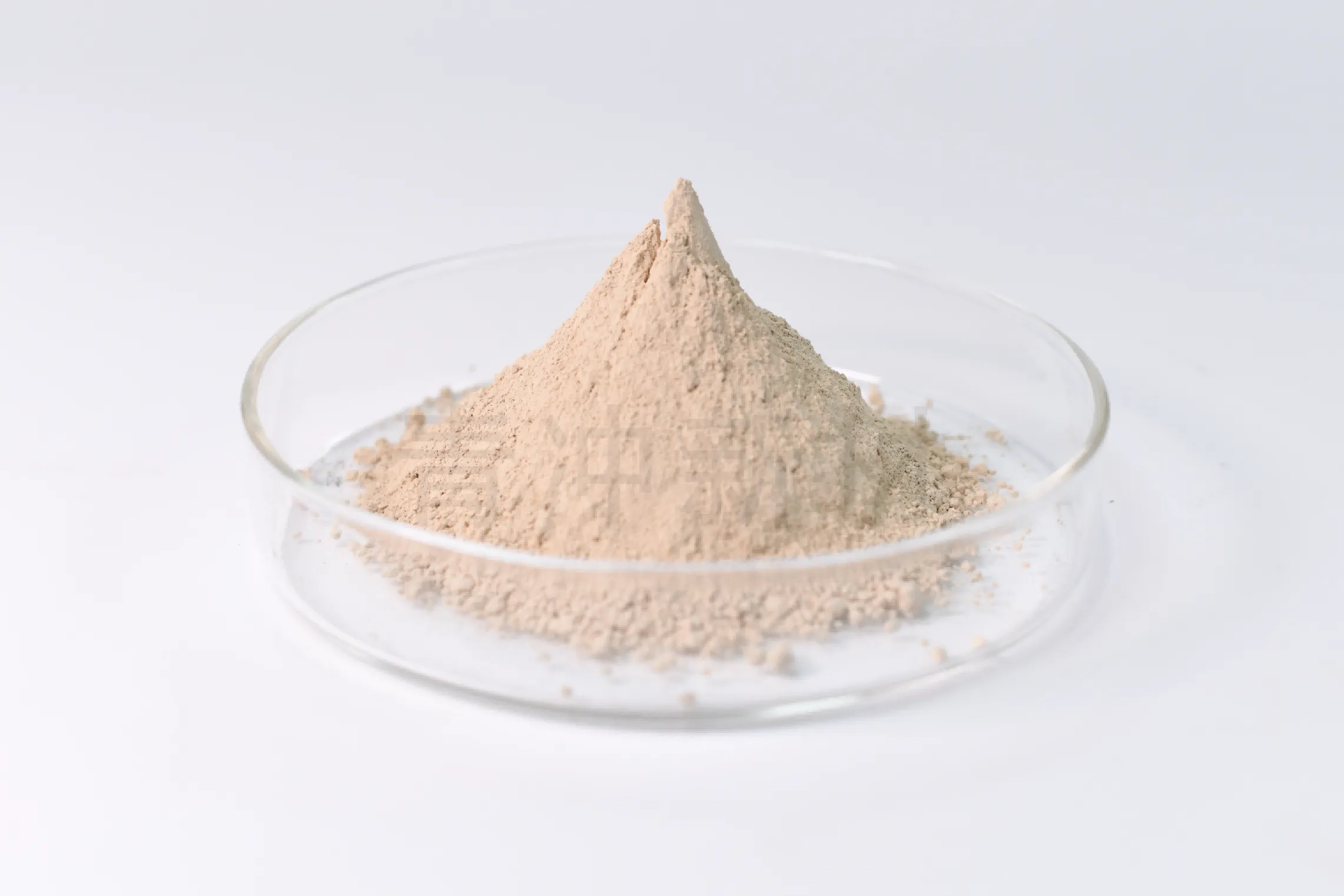
A manganese-bearing glaze ingredient can give ceramic formulators more room to develop brown, purple, or dark surface effects, but the fired result depends on the entire glaze and firing cycle. The search for glazes manganese (II) carbonate often begins with a color target. For a production buyer, the more useful question is whether a particular manganese carbonate supply can be evaluated consistently in an existing recipe. Manganese(II) carbonate, commonly written MnCO3, is a manganese compound used as a source of manganese in some ceramic glazes. Its behavior cannot be judged from the raw powder alone: glaze chemistry, application thickness, kiln atmosphere, and firing conditions all affect the finished surface. QingChong New Materials is a Chinese manganese chemical manufacturer integrating research, production, and sales. The company information supplied here does not include a product specification for manganese(II) carbonate, so no purity, particle-size range, packaging format, or ceramic grade is assumed. Ceramic manufacturers, glaze producers, and materials buyers can use this page to frame an initial technical inquiry and identify what must be verified before a production trial.

Technical Detail

Configured around process stability, mold life, and long-term uptime.

For glaze manufacturers and ceramic production teams, the practical role of manganese(II) carbonate is to provide manganese within a formulated glaze. It may be considered for decorative ware, tiles, or other ceramic surfaces where a manganese-derived color effect is required, provided the recipe and firing process have been tested for that use. It should be evaluated as one ingredient in a glaze system, not as a guarantee of a particular fired shade. Buyers supplying a fixed production line will also need to consider whether incoming material is suitable for repeatable batching and dispersion. QingChong New Materials is based in the Xiangtan Manganese Mine area and has more than 20 years of manganese-industry experience. Its operations combine R&D, production, and sales, and the brand describes a strict quality-control system. Those facts provide useful context for a sourcing discussion, but they do not establish a specification for this particular compound. No product information was supplied for manganese(II) carbonate, including assay, impurity limits, particle size, moisture, or available pack sizes. A ceramic buyer should therefore request the current product specification and relevant batch documentation before treating any proposed material as suitable for a glaze recipe. The most productive first exchange identifies the existing formulation, the intended fired appearance, and the tests used to approve a new raw-material source. That gives both the buyer and supplier a concrete basis for discussing whether an offered grade warrants laboratory and kiln evaluation.

Manganese Carbonate (MnCO₃)

What Manganese(II) Carbonate Does During Glaze Firing

Manganese(II) carbonate has the chemical formula MnCO3. In a ceramic glaze, it serves as a source of manganese rather than as a finished pigment with a fixed, predictable color. During heating, the carbonate component decomposes and releases gas; the manganese then participates in reactions governed by the surrounding glaze and kiln conditions. Changes in the oxidation state of manganese can affect the resulting appearance. This is why the same named ingredient may produce different effects in different recipes, even when the weighing step is unchanged. Raw-material behavior also matters before the kiln is loaded. Powder characteristics can influence how an ingredient mixes into a glaze slurry, while preparation and application practices influence how evenly the glaze reaches the ware. Those observations describe the general ceramic role of the compound; they are not measured performance claims for a QingChong grade. No product sheet was provided, so its particle-size distribution or other processing properties cannot be stated here. For a buyer reviewing a candidate material, the distinction is simple: the chemical name identifies the manganese source, while a supplier specification and a fired test establish whether a particular supply behaves as needed.
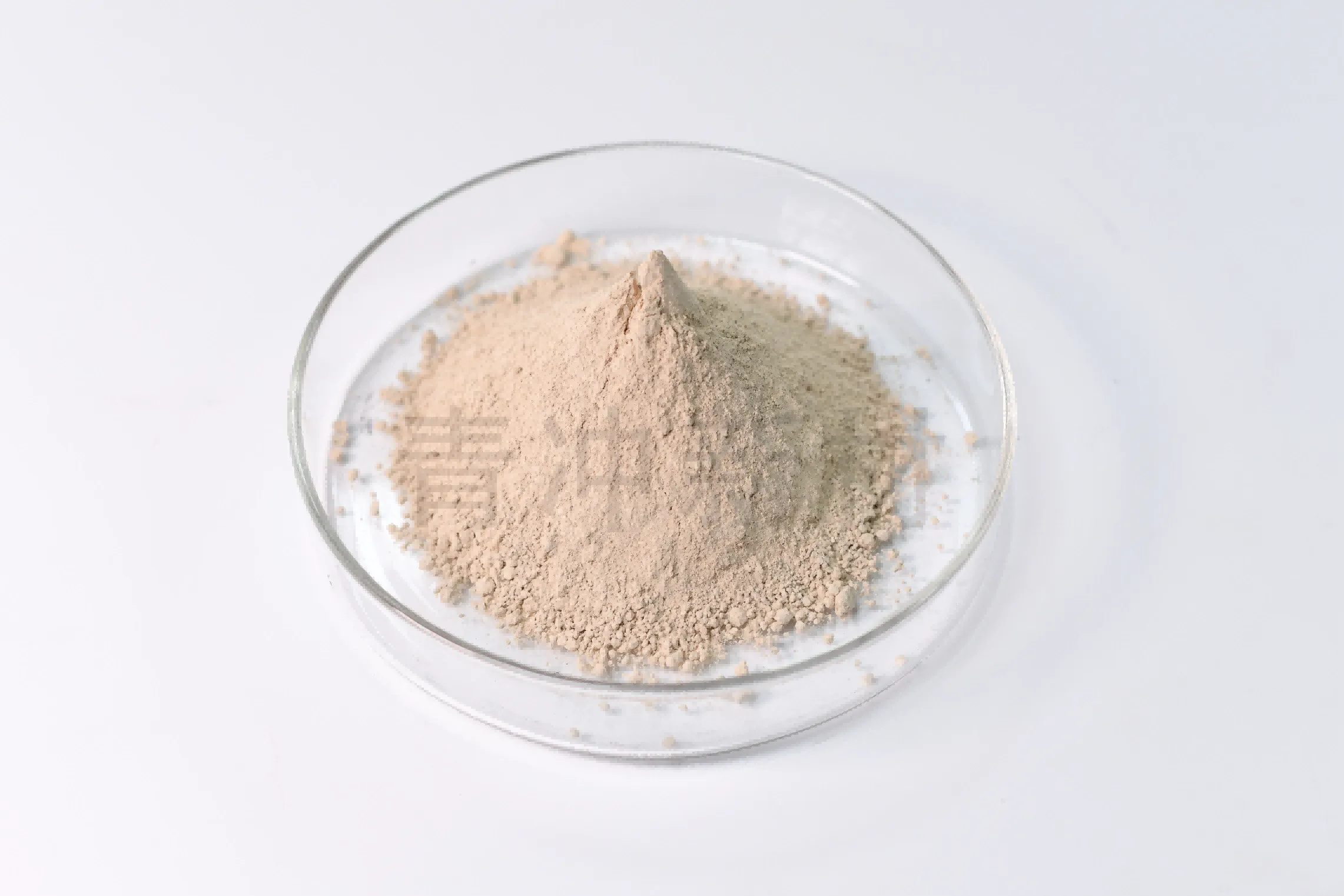
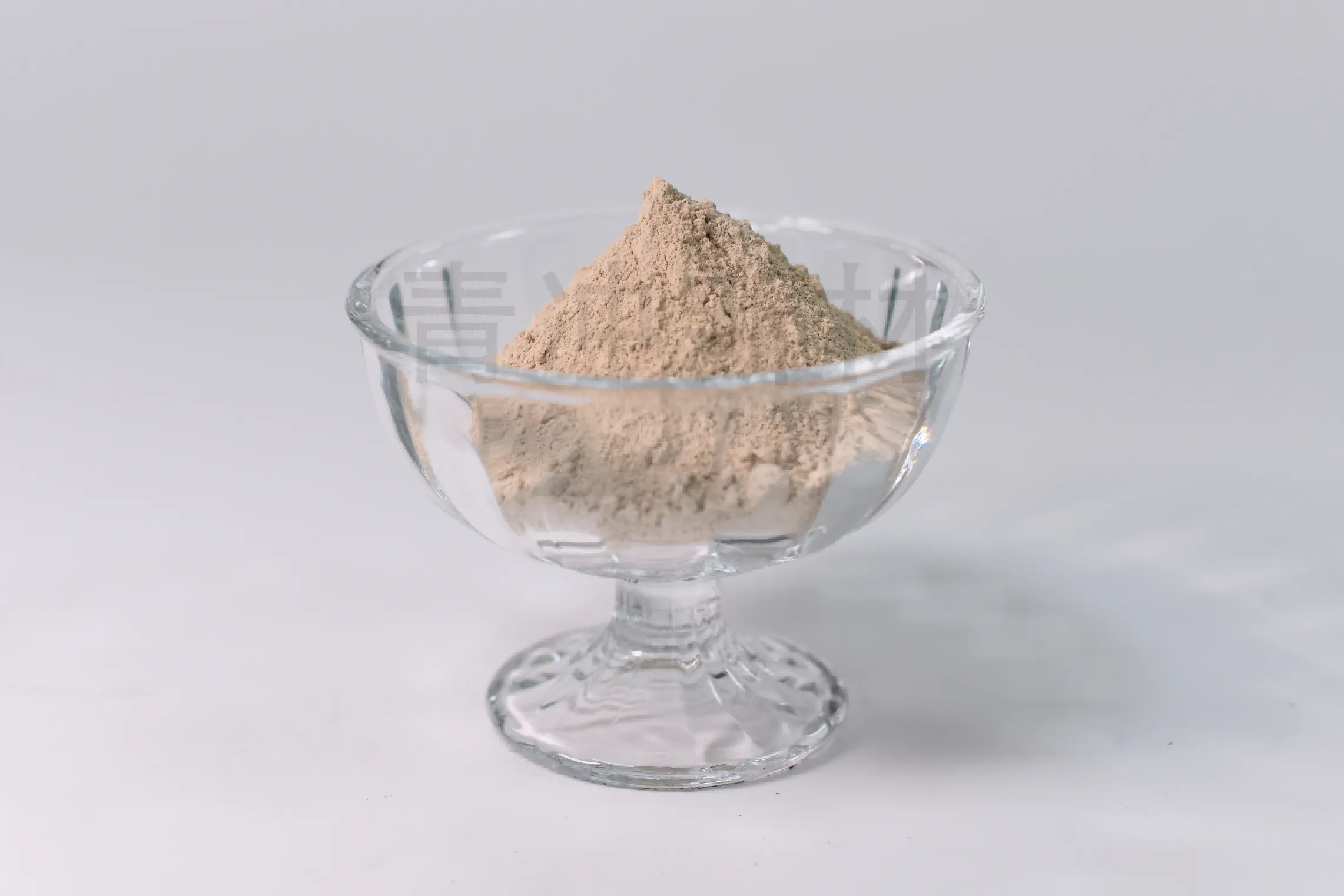
Manganese Carbonate (MnCO₃)

Assessing Fit Against the Glaze and Kiln Conditions

The right assessment starts with the conditions that cannot easily change on your production line. A glaze developed for one firing atmosphere should not be assumed to give the same surface under another. Peak firing conditions, glaze composition, coating thickness, and the ceramic body can all shift the appearance of a manganese-containing glaze. If a recipe already uses manganese carbonate, compare candidate material in that established process before changing the formulation. If manganese carbonate is being introduced for the first time, test a controlled series of recipes and record both the fired result and any processing issues. Pay attention to visible differences across the ware, glaze fit, and whether the intended surface is consistent from one firing to the next. The proposed use also sets the scope of review. Decorative expectations for an architectural surface differ from the documentation and safety questions that may arise for food-contact ware. Do not infer food-contact suitability from the ingredient name or from a supplier's company-level credentials. QingChong's supplied brand information does not state a ceramic-grade specification or an application approval for this compound. Suitability remains conditional on the offered material's documentation, your glaze formulation, and results under your actual kiln conditions.

Manganese Carbonate (MnCO₃)

Information to Confirm Before Requesting a Glaze Trial Material

Send the supplier the material name, manganese(II) carbonate, together with the intended ceramic application and whether it will replace an ingredient already used in your recipe. Include your current raw-material specification if you have one. Identify the properties that determine acceptance in your plant, such as manganese content, relevant impurities, powder fineness, or moisture, without assuming that any particular values are available from QingChong. Ask for the proposed product specification, a recent batch analysis where available, handling documentation, and the packaging options that can actually be supplied. State your glaze preparation method and firing conditions so technical discussions refer to a real process. If color matching matters, share a reference firing result and explain how you assess an acceptable variation. Before a larger purchasing decision, arrange a controlled comparison using your normal body, glaze recipe, application method, and kiln schedule. Record the raw-material lot and compare fired pieces against your existing standard. QingChong's integrated R&D, production, and sales structure provides a clear starting point for a technical inquiry, but availability, grade, documents, and commercial terms still require direct confirmation. This checklist turns an open-ended request for glaze material into a reviewable specification and trial plan.

News

Industry updates

Products

Production modules

Why Choose Us

Why Discuss Manganese Glaze Supply with QingChong

A ceramic glaze purchase depends on more than a compound name. Buyers need to know who can discuss material requirements, how quality is managed, and which claims are supported by documents. QingChong New Materials operates in the Xiangtan Manganese Mine area, a long-established manganese production base in China. The company reports more than 20 years of industry experience and integrates research, production, and sales. For a buyer investigating a manganese source, that background makes it reasonable to raise formulation-related requirements and request a specific product offer. QingChong also describes a strict quality-control system and passed ISO9001:2008 Quality Management System Certification in July 2010. That is a company quality-management credential, not a certificate proving that a particular manganese(II) carbonate batch meets a ceramic specification. Its National High-tech Enterprise certification, awarded in September 2019, and invention patents obtained with local universities add context to its technical background; neither establishes a glaze performance result. The company's multilingual website supports communication with overseas buyers. The next step remains document-based: confirm that the requested compound and grade are offered, review the applicable specification and batch information, and test the material in your own glaze and kiln before approving production use.

FAQ

Common technical questions

Is manganese(II) carbonate interchangeable with manganese dioxide in a glaze recipe?

No direct substitution ratio can be assumed. The two materials have different chemical compositions, so changing from one to the other calls for a recipe calculation and fired comparison rather than a weight-for-weight swap.

Can I use this ingredient in a glaze for tableware?

The information supplied does not establish food-contact suitability. Review the finished ware against the rules that apply in your market and use appropriate testing; an ingredient name or company certification is not evidence of compliance.

What should I watch for when adding manganese carbonate to a glaze batch?

Control dust during weighing, follow the material's safety documentation, and mix thoroughly using your normal plant procedure. Check the slurry and fired test pieces for uneven distribution before using the batch in production.

How do I compare two offers of manganese(II) carbonate for the same glaze?

Request the actual specifications and batch documents for both offers. Compare the properties your recipe depends on, then run matched glaze and firing tests. Price alone will not show whether the fired appearance or processing behavior stays within your acceptance limits.

Need a solution for your project?

Share your product type, target capacity, and application requirements. Our team can review the details and recommend a practical next step.

Contact Us
Whatsapp
WeChat

CONTACT US

Office Address:21/F,Zhonghan Fortune Building,Ji'an Road, Yuetang District,Xiangtan,Hunan,China

Factory Address: Heling Town, Yuhu District, Xiangtan City, Hunan Province, P.R.China

WhatsApp: 8613786275365

Fax: 86-731-52326088

E-mail: [email protected]