 EN
EN
 CN
CN
 fr
fr es
es ar
ar ru
ru de
de pt
pt tr
tr vi
vi it
it ja
ja ko
ko hi
hi
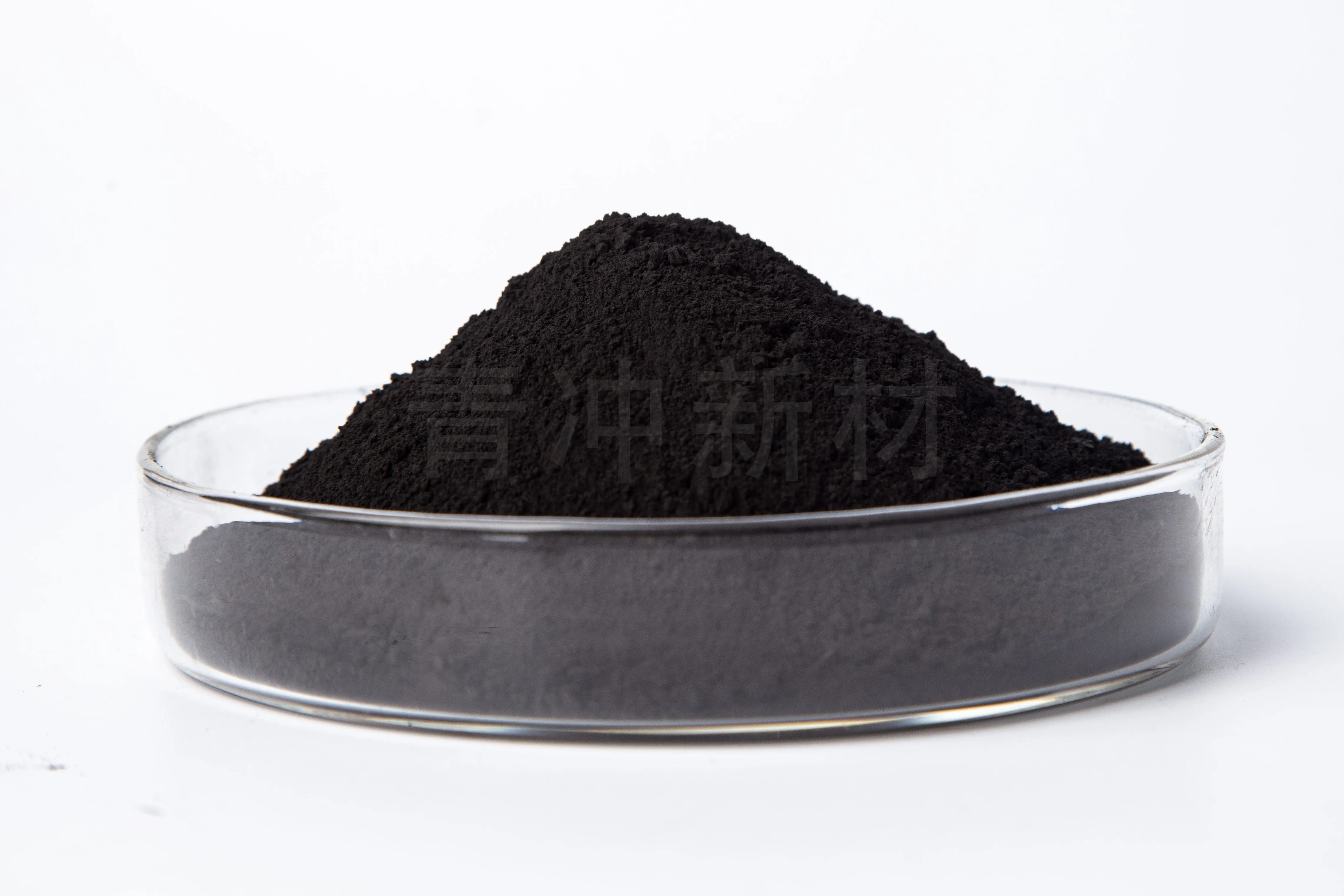
How Electrolytic Manganese Dioxide Functions in a Battery
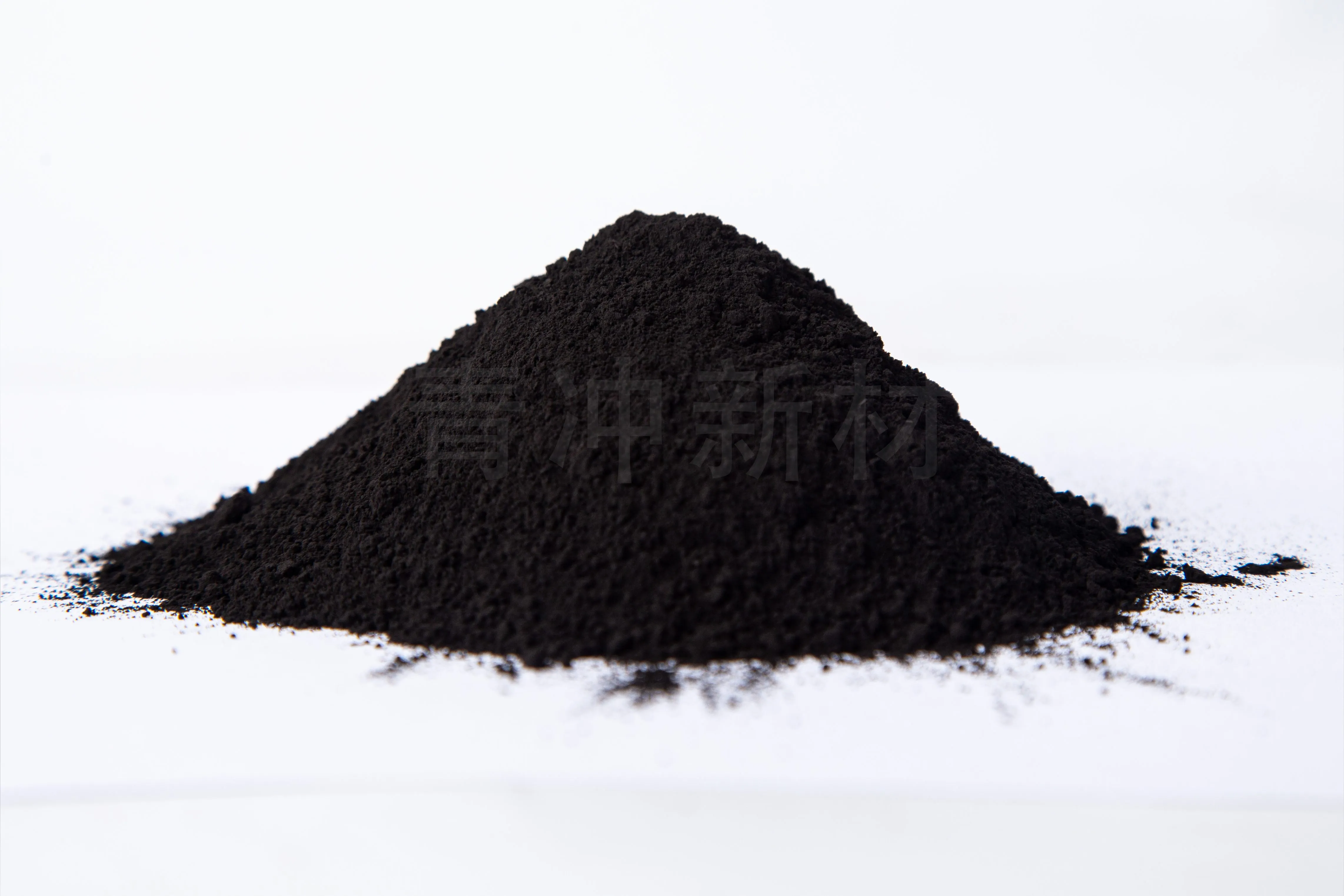
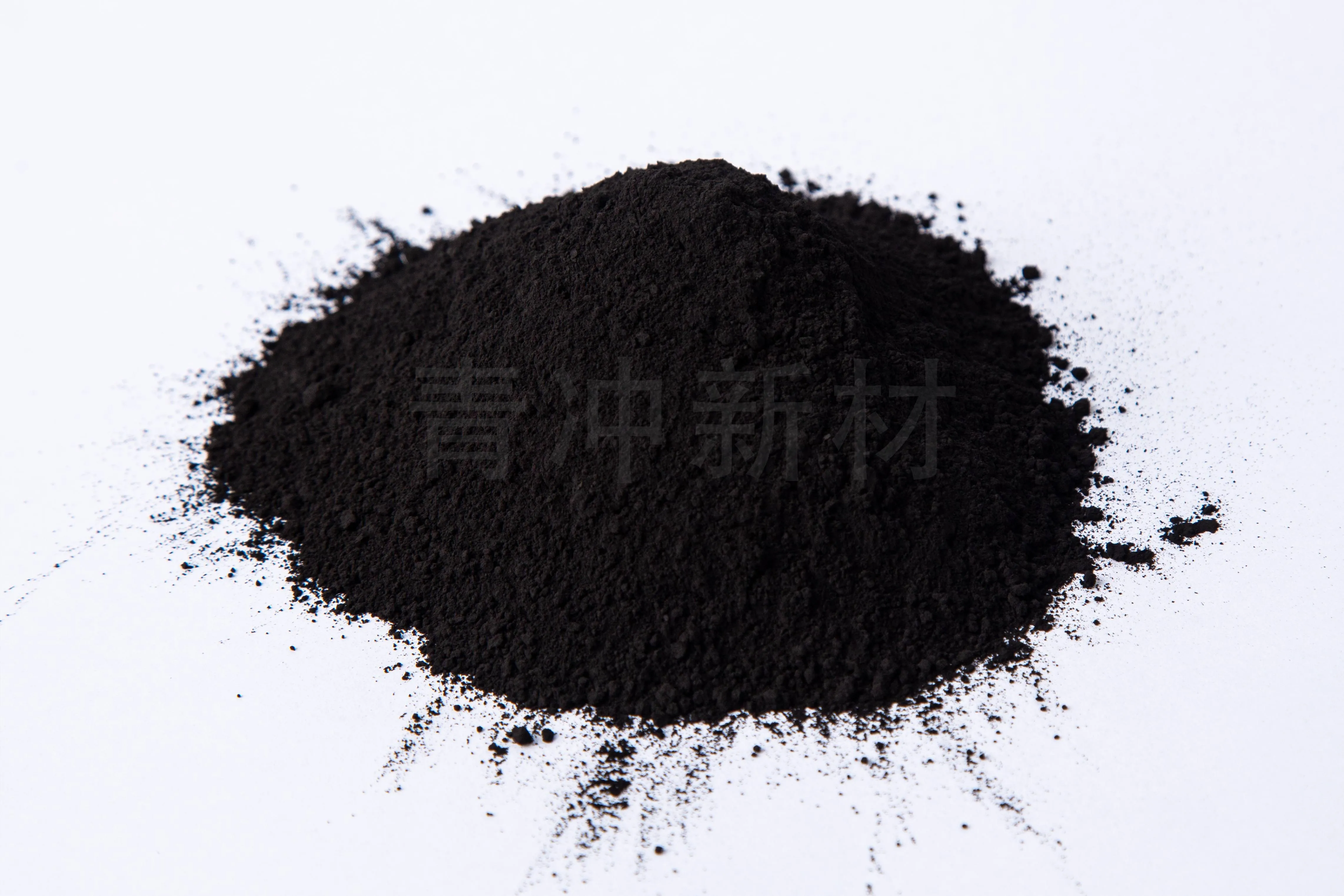
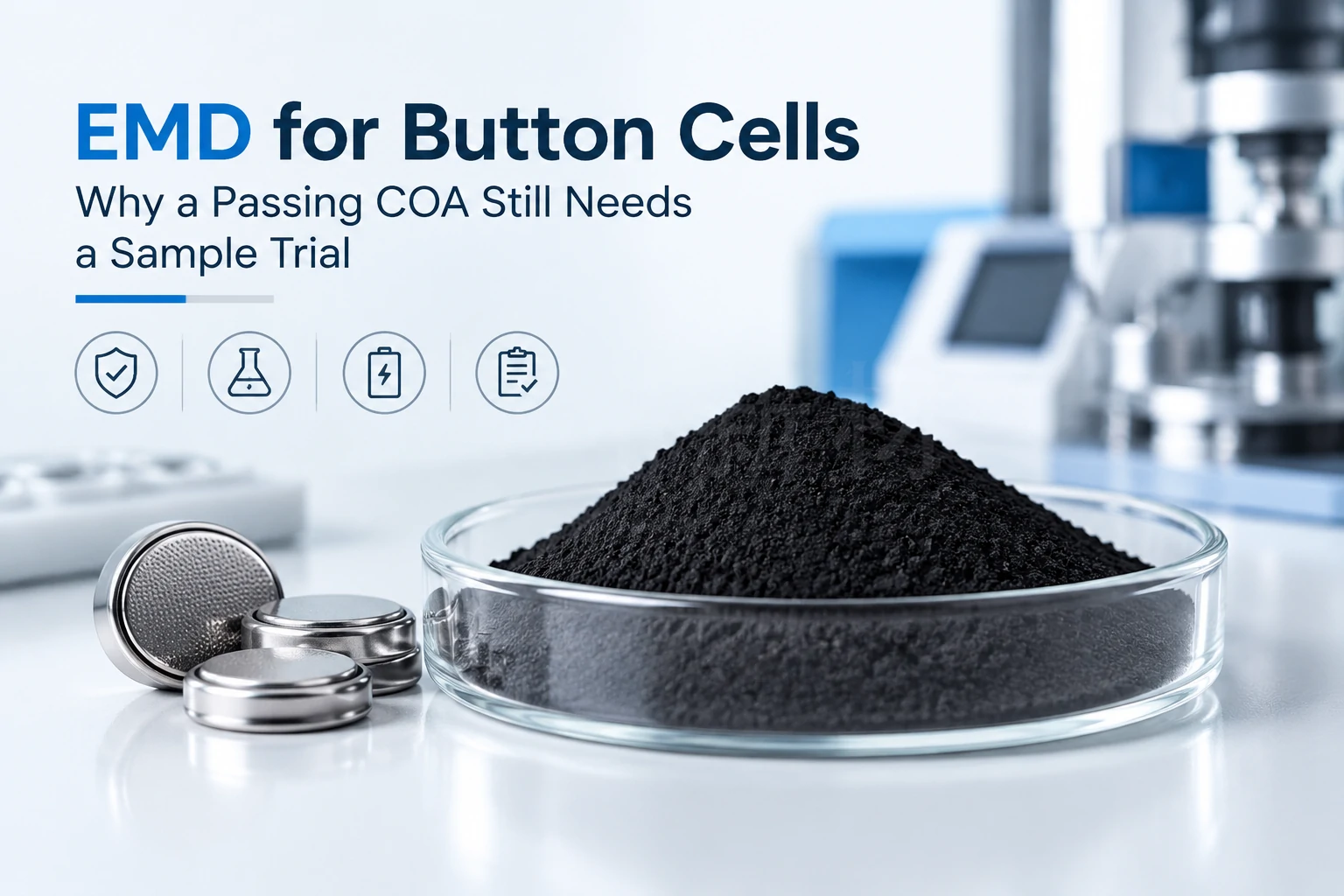
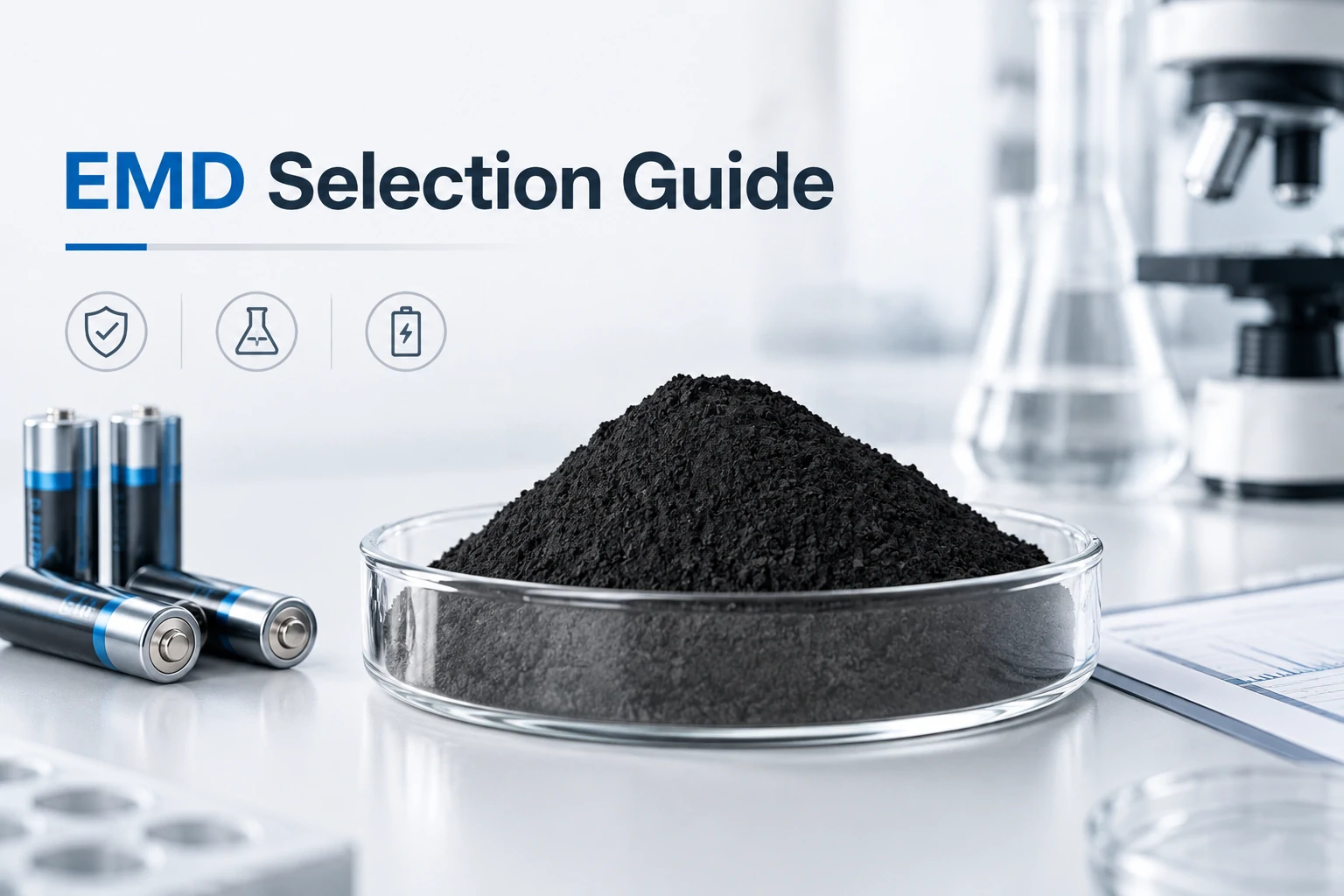
Electrolytic manganese dioxide is generally understood as a manganese dioxide material made by depositing manganese dioxide through an electrolytic process, followed by suitable recovery and processing steps. In a battery, it participates in the cathode reaction rather than acting as a passive filler. Its electrochemical behavior is therefore connected to the cell’s anode, electrolyte, separator, discharge profile, and operating conditions. The material is commonly associated with manganese-based primary batteries, although the exact use must be confirmed for the intended chemistry. Buyers should distinguish EMD from manganese dioxide produced through other routes, because manufacturing history can affect structure, surface characteristics, impurity profile, moisture, and downstream processing behavior. Those differences may influence mixing, electrode formation, and cell performance. Since QingChong has not provided a specific EMD datasheet for this page, no grade-specific purity, particle-size range, or electrochemical value should be assumed. A technical review should begin with the material designation, production route, certificate of analysis, and test methods used for each reported property.