 EN
EN
 CN
CN
 fr
fr es
es ar
ar ru
ru de
de pt
pt tr
tr vi
vi it
it ja
ja ko
ko hi
hi
What the Reported Parameters Actually Describe
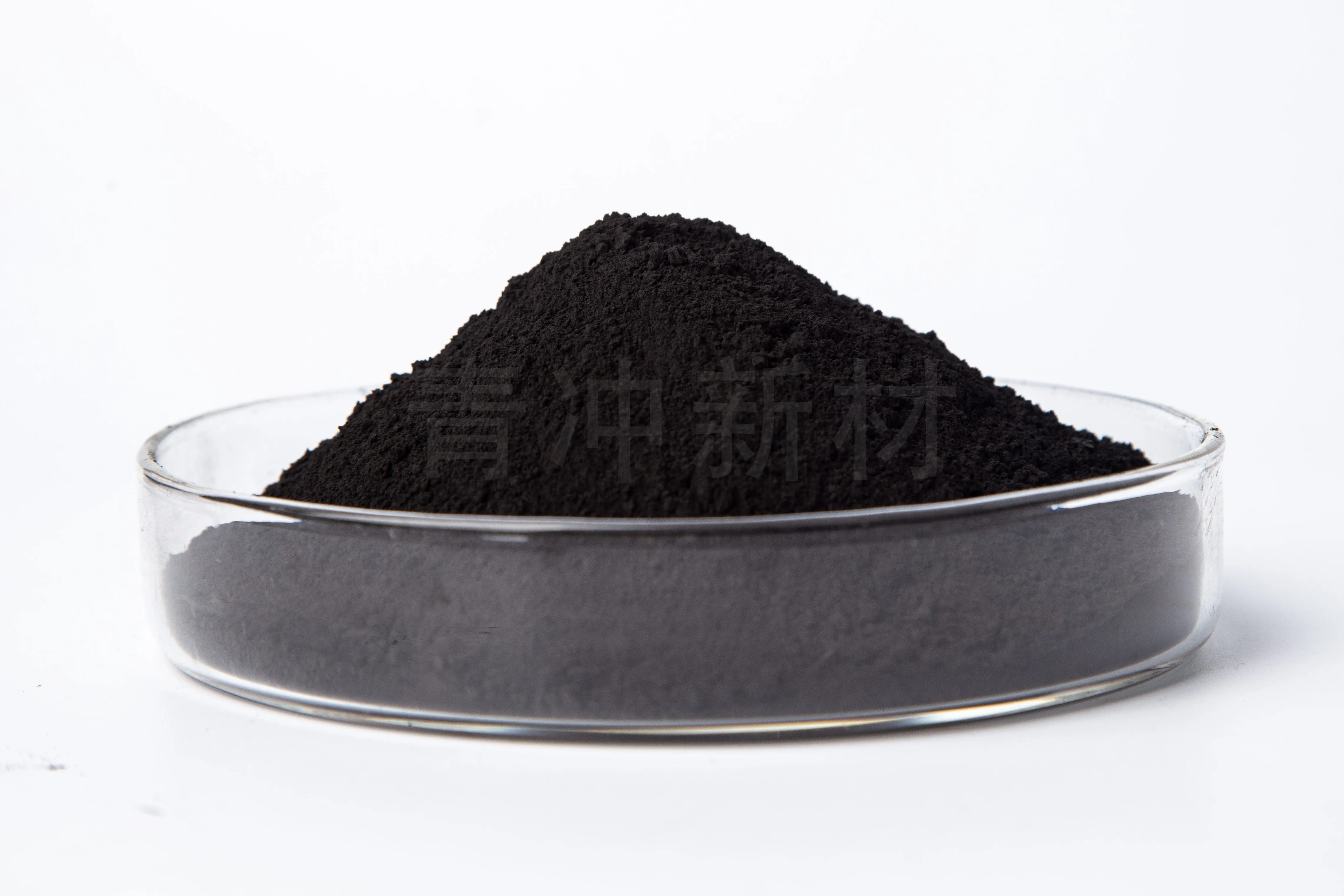
MnO₂ assay describes the reported amount of manganese dioxide under a specified analytical method. It should not be read as a complete account of everything else in the material: other constituents and the method’s calculation basis still matter. Impurity data answer a different question. A laboratory concerned about interference needs to know which elements or substances were tested, the reporting units, and whether a figure is a maximum limit or a measured batch result. Particle-size information, when relevant, describes physical form rather than chemical purity. Moisture or loss-on-drying results can also change how a weighed quantity is interpreted if a procedure assumes a dry basis. Units, detection limits, sample preparation and whether values are reported on a dry or as-received basis can affect comparisons between documents. The information supplied about QingChong establishes its manganese-chemical manufacturing background, but includes no product-specific values or analytical methods for electrolytic manganese dioxide reagent grade. Treat each requested parameter as a separate question until its definition and reporting conditions are documented; a single percentage cannot describe every property a laboratory may need.