productlist

Evaluate an Electrolytic Manganese Dioxide Production Process Factory

electrolytic manganese dioxide production process factory

An electrolytic manganese dioxide production process factory should be able to explain more than the chemistry behind EMD. For a buyer, the immediate question is whether the supplier makes the required material, controls its production consistently, and can provide records that support those claims. QingChong New Materials is a Chinese manganese chemical manufacturer with integrated R&D, production, and sales operations. It is based in the Xiangtan Manganese Mine area, an established manganese production base, and reports more than 20 years of industry experience. The information provided here does not identify an EMD grade, confirm an EMD production line, or specify plant equipment. Those points need direct verification before treating QingChong as an approved EMD source. This page sets out what can be established from the available company information and what to ask next. Use it to decide whether an inquiry or supplier audit is warranted—not as a substitute for a product specification, process review, or sample evaluation.

Technical Detail

Configured around process stability, mold life, and long-term uptime.

For factory sourcing, the first distinction is between a company’s general manufacturing capability and evidence for the exact material being purchased. QingChong describes itself as a manganese chemical manufacturer that integrates R&D, production, and sales. It operates in the Xiangtan Manganese Mine area, where access to an established manganese industry can be relevant to supplier development. The company reports more than 20 years in the industry and states that it uses a strict quality control system. These are reasons to open a technical discussion; none, by itself, confirms that a particular EMD grade is currently manufactured on a dedicated line. A useful first exchange therefore starts with product identity. Ask QingChong to identify the material offered as electrolytic manganese dioxide, provide its current specification and state whether the proposed supply comes from its own production. If it does, request a description of the line’s process stages and the points at which material is sampled or released. If it does not, clarify its role in sourcing and quality oversight. This distinction matters because a buyer may need batch-to-batch consistency, application-specific limits, or traceable manufacturing records rather than manganese dioxide identified only by name. QingChong’s integrated organization offers a practical route for directing technical questions to the appropriate team. The decision to advance it as an EMD supplier should rest on the documents and samples it can provide for the proposed grade.

Electrolytic Manganese Dioxide (EMD)

What the Electrolytic Process Should Establish

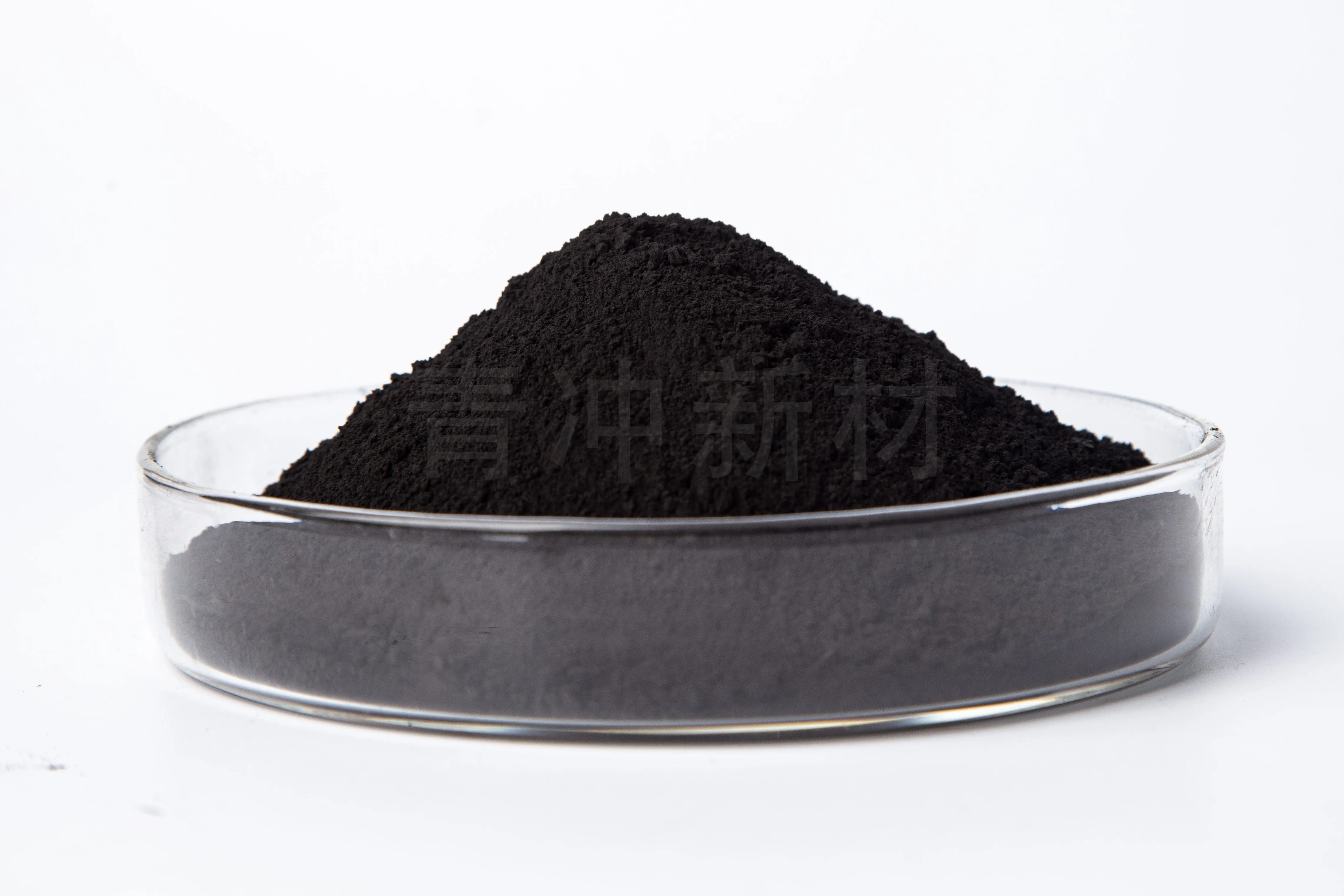
In the conventional EMD route, manganese ions in an electrolyte are oxidized at an anode to form manganese dioxide. The deposited material is then removed and processed into a product suitable for its intended use. Electrolyte preparation, electrolysis conditions, removal of deposited material, washing, and finishing can each affect the material ultimately supplied. This is a description of the general process, not a statement that QingChong uses a particular electrolyte, anode, cell design, or finishing method. During a factory discussion, ask which stages are carried out at the proposed production site and how material moves between them. A process flow diagram should make it possible to distinguish an actual electrolytic manufacturing route from the purchase and resale of finished EMD, or from production by another manganese dioxide route. It should also show where batches are identified and where in-process and finished-product samples are taken. QingChong’s stated combination of R&D and production makes it reasonable to raise these questions with the company. The answers, supported by records, are what establish the process used for the material on offer.
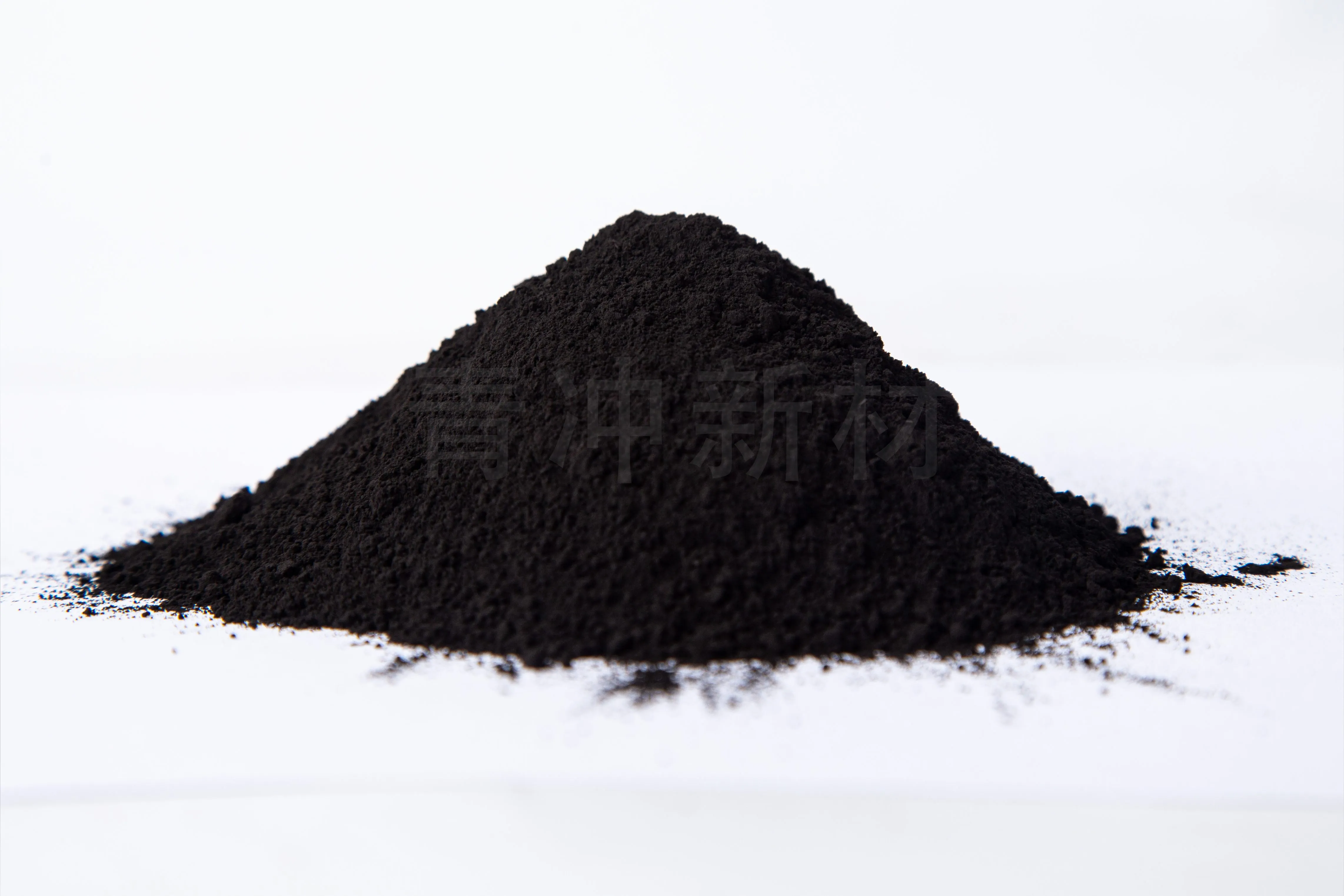
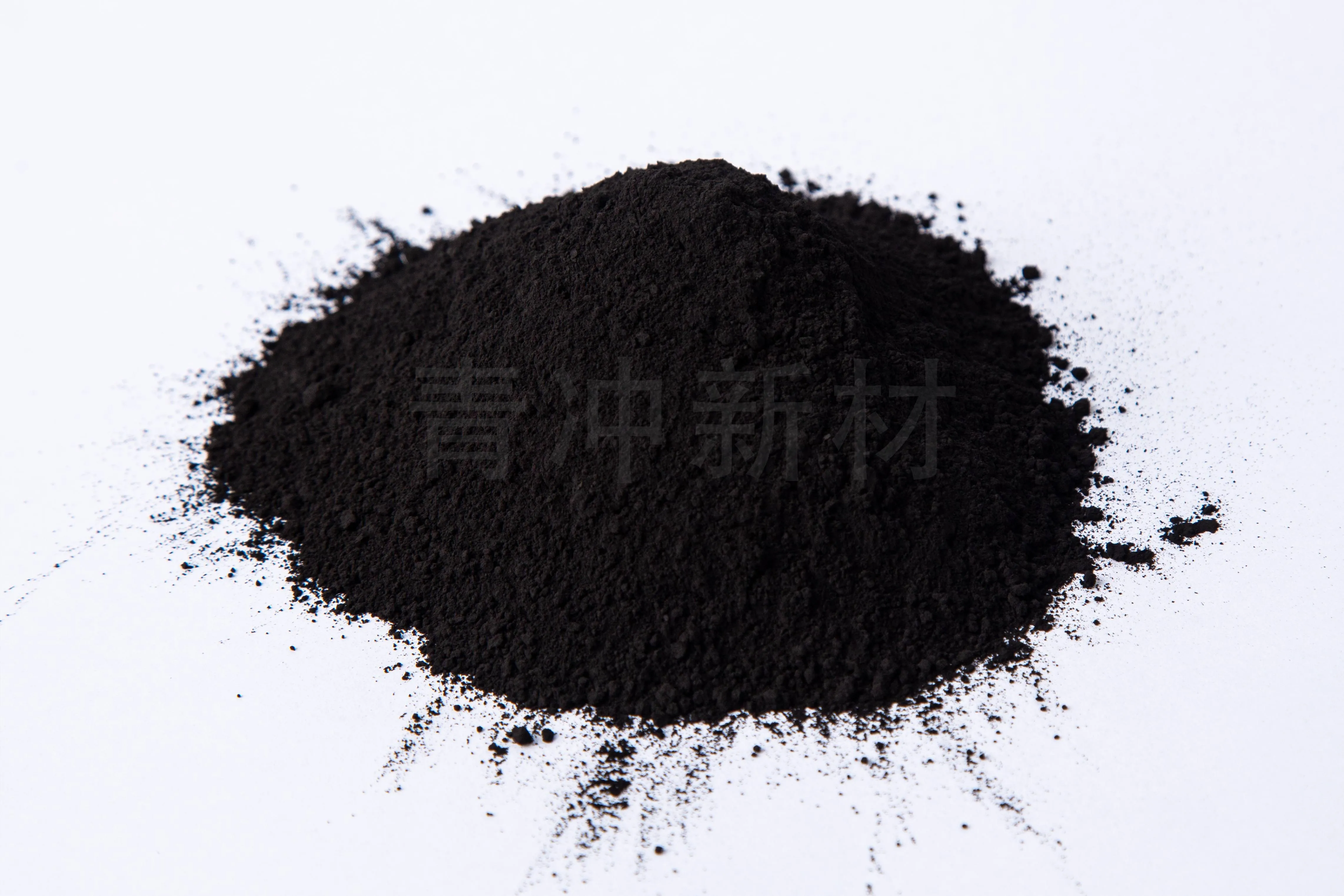
Electrolytic Manganese Dioxide (EMD)

Judge Grade Fit Against the Intended Use

A confirmed electrolytic route does not automatically make an EMD grade suitable for every application. Buyers should compare the proposed material with the limits used in their own formulation or manufacturing process. Depending on the application, relevant checks may include manganese dioxide content, moisture, particle-size distribution, bulk density, acidity, and specified impurities. The appropriate limits come from the buyer’s requirements and the supplier’s actual grade documentation; no such values have been provided for QingChong here. Ask which properties are controlled for the grade offered, how they are measured, and whether results are reported by batch. Consider the consequences of a mismatch before choosing a sample: a particle-size difference may affect handling or blending, while an impurity limit may matter where downstream chemistry is sensitive. If the material is intended for battery production, request evidence that the specific grade has been evaluated for that use rather than assuming that all EMD is interchangeable. QingChong’s quality-control claim is relevant to this assessment, but a current specification and representative test records are needed to judge fit.

Electrolytic Manganese Dioxide (EMD)

Documents to Request Before Advancing a Factory Audit

Send QingChong a short inquiry that states the intended application, required specification, expected form of supply, destination market, and any tests your approval process requires. Ask for the current EMD product specification, a representative certificate of analysis, an explanation of batch identification, and a process flow for the proposed material. If your policy requires an own-factory source, request confirmation of the manufacturing site and which operations it performs. For a remote review or site audit, discuss whether the company can show relevant production and inspection records while protecting confidential process details. Its reported ISO9001:2008 certification was passed in July 2010; request a current certificate and scope rather than assuming that the historical certificate remains valid or covers the proposed product. If samples are available, agree on how they relate to the specification and the production batches you may later purchase. This checklist gives QingChong a clear opportunity to substantiate its offer. It also lets a purchasing team decide whether to proceed to testing, arrange an audit, or pause approval until missing evidence is supplied.

News

Industry updates

Products

Production modules

Why Choose Us

Why QingChong Merits an Initial Supplier Review

QingChong has several attributes that make an initial inquiry reasonable for buyers sourcing manganese chemicals. The company reports more than 20 years of industry experience and combines R&D, production, and sales within one organization. Its location in the Xiangtan Manganese Mine area places it within a long-established manganese production region. QingChong also describes a strict quality control system and maintains a multilingual website in 14 languages, which may make early communication with international buyers easier. Its stated credentials include ISO9001:2008 quality management certification passed in July 2010, National High-tech Enterprise certification in September 2019, and invention patents obtained in cooperation with local universities. It was listed on the Hunan Equity Exchange Center in December 2020 under equity code 600362HN. These are company-level background points, not proof of a current EMD line, a particular grade, or current certificate validity. QingChong’s emphasis on quality and integrity provides a basis for a direct, evidence-led conversation. Request product-specific manufacturing, testing, and certification documents before deciding whether those broader credentials satisfy your supplier-approval requirements.

FAQ

Common technical questions

Does QingChong currently manufacture electrolytic manganese dioxide?

The supplied company information identifies QingChong as a manganese chemical manufacturer but does not confirm a current EMD product or production line. Ask for the proposed grade, manufacturing-site confirmation, and a process flow before classifying it as an EMD factory.

How is EMD different from manganese dioxide made by another route?

EMD is produced by electrolytic deposition from a manganese-containing electrolyte. Other production routes can yield manganese dioxide with different characteristics. Compare the actual grade specifications and test results rather than treating the material names as interchangeable.

Can I request EMD for a battery application?

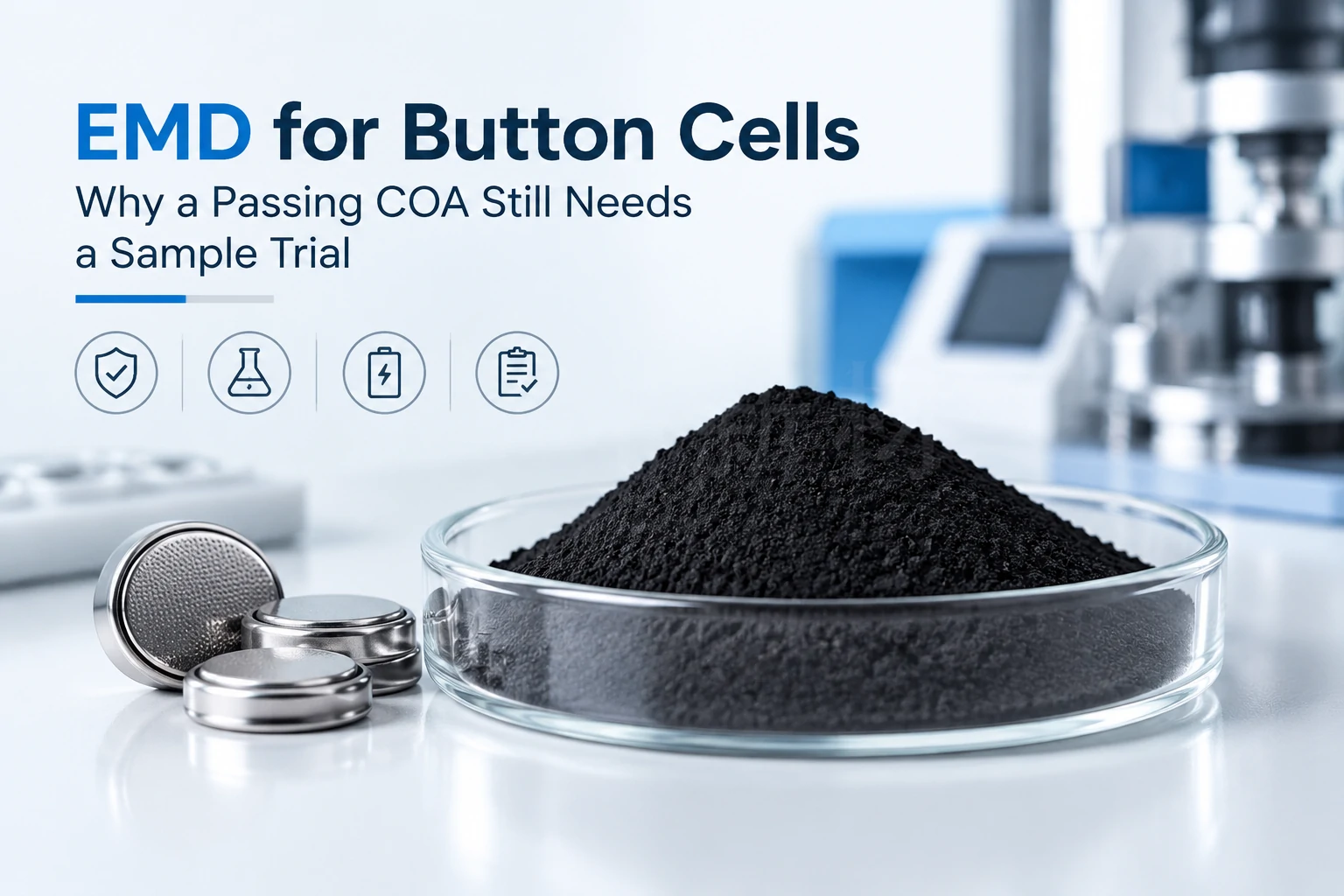
You can send QingChong the battery application and your acceptance criteria. No battery-grade EMD specification has been provided here, so ask whether it offers a suitable grade and request supporting test results before arranging an application trial.

What should our team check when receiving a trial sample?

Match the sample label and batch reference to the accompanying documents. Then test against your own acceptance criteria and record how it performs in your process. Ask whether the sample represents the proposed production supply before using the results to approve a supplier.

Need a solution for your project?

Share your product type, target capacity, and application requirements. Our team can review the details and recommend a practical next step.

Contact Us
Whatsapp
WeChat

CONTACT US

Office Address:21/F,Zhonghan Fortune Building,Ji'an Road, Yuetang District,Xiangtan,Hunan,China

Factory Address: Heling Town, Yuhu District, Xiangtan City, Hunan Province, P.R.China

WhatsApp: 8613786275365

Fax: 86-731-52326088

E-mail: [email protected]