 EN
EN
 CN
CN
 fr
fr es
es ar
ar ru
ru de
de pt
pt tr
tr vi
vi it
it ja
ja ko
ko hi
hi
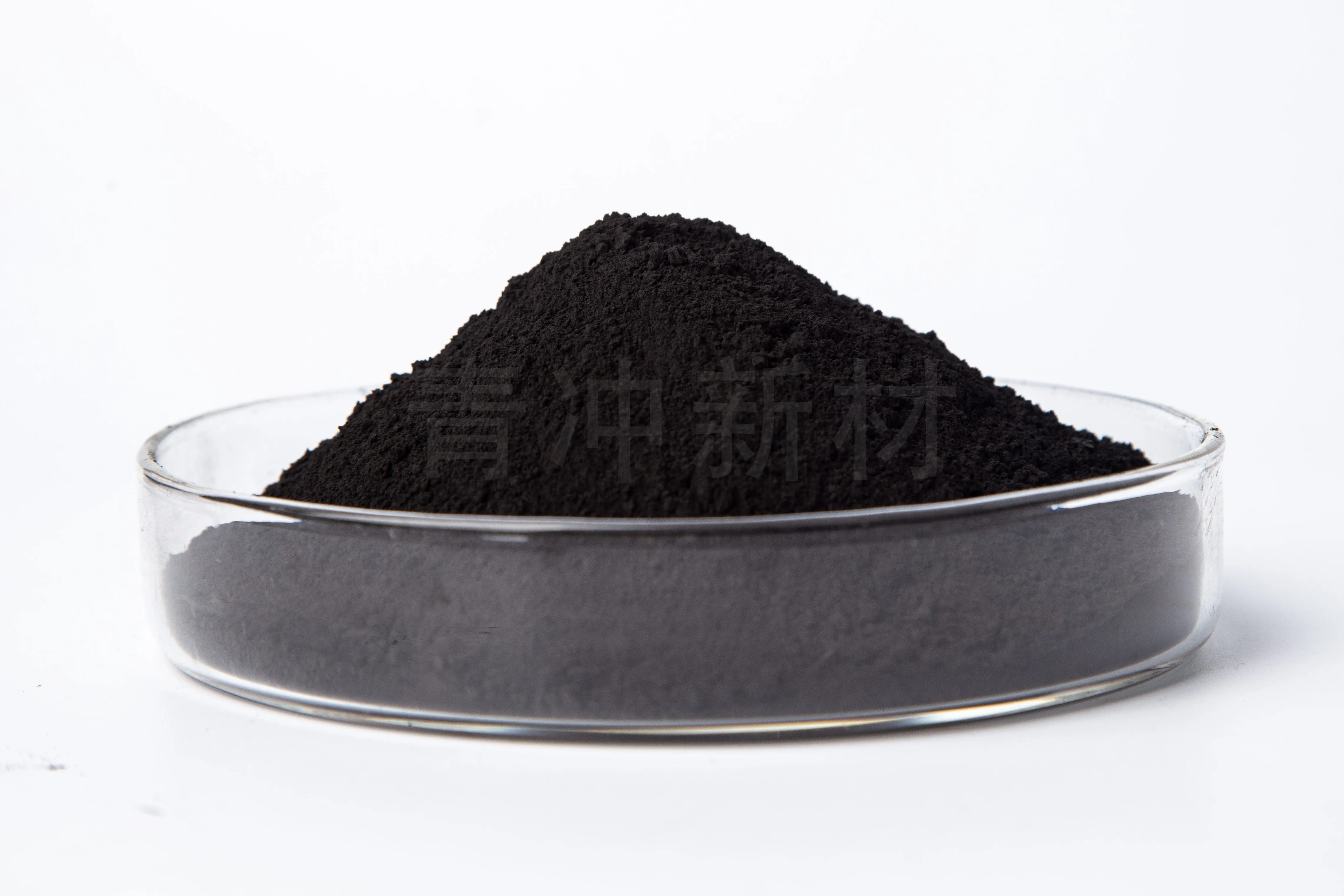
What the Reported EMD Parameters Actually Describe
A specification for electrolytic manganese dioxide typically separates chemical composition from physical characteristics. Manganese dioxide content describes an assay result; it does not describe how the powder feeds, disperses or packs. Moisture indicates how much water is present under a stated test procedure and affects how an as-received mass relates to dry material. Particle-size results describe a distribution or a sieve fraction, depending on the method, rather than a single universal size. Impurity entries identify substances that the buyer may need to limit for a particular process. These terms are useful only alongside units, test methods and the basis of reporting. If one laboratory reports composition on a dry basis and another reports it as received, identical-looking percentages need not represent identical material. Similarly, results from different particle-size methods should not be treated as directly interchangeable without checking the measurement approach. QingChong describes its operation as integrating R&D, production and sales, but no EMD parameter table or test protocol was provided. The values and methods for any proposed grade must therefore come from its actual technical documentation. Reading the definitions first prevents a grade label from being mistaken for a complete specification.