 EN
EN
 CN
CN
 fr
fr es
es ar
ar ru
ru de
de pt
pt tr
tr vi
vi it
it ja
ja ko
ko hi
hi
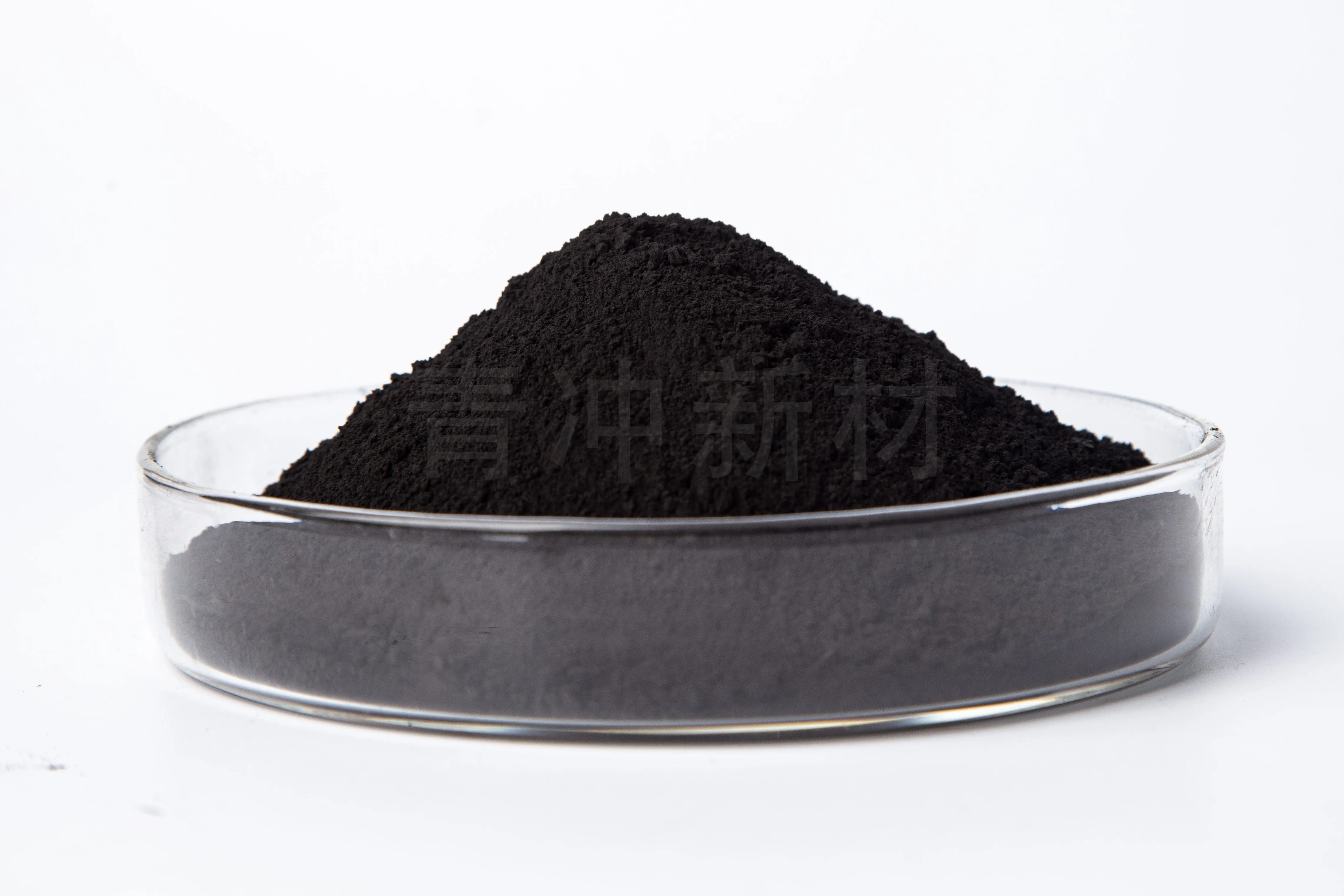
How EMD Participates in Battery Discharge
In a battery cathode, manganese dioxide is an active material rather than simply a filler or colorant. During discharge, it accepts electrons through a reduction reaction while the other electrode undergoes oxidation. The electrolyte and cell construction provide the environment in which those reactions proceed. In an alkaline manganese cell, the reduction of MnO2 is commonly described in terms of its conversion toward manganese oxyhydroxide, MnOOH. This account explains EMD’s electrochemical role, but a complete cell contains other components that affect how much of the active material can be used. The word “electrolytic” describes how EMD is produced: manganese dioxide is deposited electrochemically and then processed into material suitable for further use. It does not mean the finished powder acts as the cell’s electrolyte. That distinction can prevent a basic specification error when a purchasing team reviews a bill of materials. QingChong’s business focuses on manganese chemicals, with R&D and production within the same organization. For a technical discussion with its team, identify the battery chemistry first; the relevant discharge mechanism and material tests follow from that choice, not from the EMD name alone.