productlist

Electrolytic Manganese Dioxide for Double A Battery Production

electrolytic manganese dioxide for double A battery

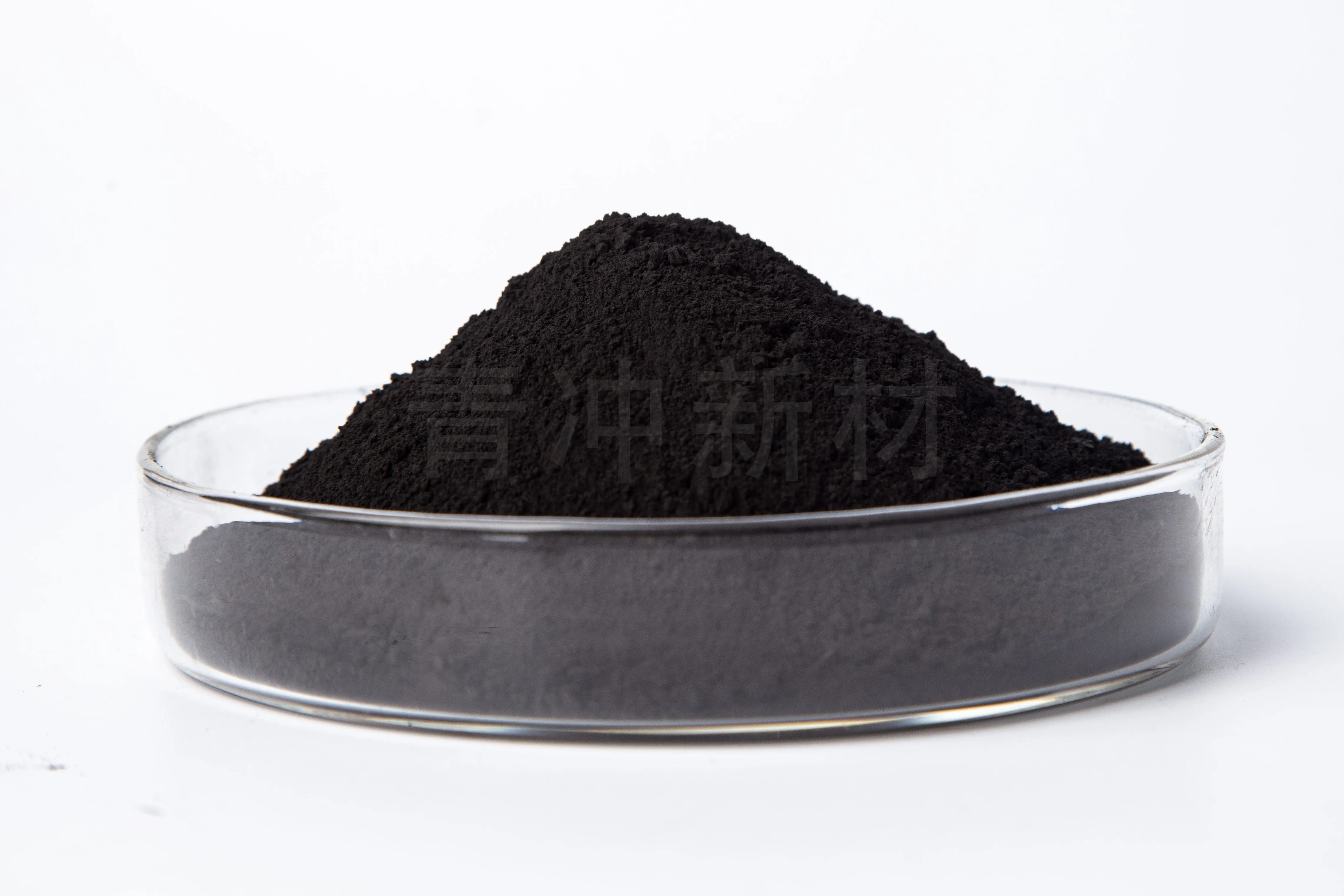
In a double A (AA) battery, electrolytic manganese dioxide (EMD) is used as the cathode active material in common alkaline and zinc-carbon battery designs. Its suitability depends on the battery chemistry and manufacturing requirements, so the term “battery grade” alone is not enough to confirm a match. Buyers typically need to compare the supplier’s technical data with their own formulation, process controls, and target battery performance. QingChong New Materials is a manganese chemical manufacturer integrating R&D, production, and sales, based in Xiangtan, an important manganese production area in China. The company brings more than 20 years of industry experience and serves global markets. No product-specific grade, particle characteristics, purity values, or battery test results were provided for this page; those details should be confirmed before qualification. This page outlines how to assess EMD for AA production, what application conditions to review, and which information to share when requesting a technical discussion. Use those checks to establish whether a specific EMD offering fits your battery design rather than relying on a generic material description.

Technical Detail

Configured around process stability, mold life, and long-term uptime.

QingChong New Materials manufactures manganese chemicals and describes its business as integrating research and development, production, and sales. For buyers evaluating electrolytic manganese dioxide for double A battery production, that structure can provide a route to discuss material requirements with a manufacturer involved in the product’s development and manufacture. The company is located in Xiangtan, one of China’s major manganese production bases, and reports more than 20 years of industry experience. These are relevant supplier credentials, but they do not by themselves establish that a particular EMD grade is suitable for a given battery formulation. The available information does not include an EMD product specification, grade designation, chemical analysis, physical-property limits, packaging details, or battery performance data. It would therefore be misleading to state numeric purity, particle size, moisture, or electrochemical values here. Before technical approval, request the current specification and confirm which properties are controlled, how they are tested, and whether a sample can be evaluated in your own process. QingChong reports an ISO 9001:2008 Quality Management System certification passed in July 2010, National High-tech Enterprise certification in September 2019, and multiple invention patents obtained in cooperation with local universities. Treat these as company-level information; they are not substitutes for product-specific documentation or qualification testing. Share your battery chemistry and acceptance criteria to determine what information is needed for an application review.

Electrolytic Manganese Dioxide (EMD)

How EMD functions in an AA battery cathode

Electrolytic manganese dioxide is used as a cathode active material in battery systems, including common AA formats. In a battery, the cathode material participates in the electrochemical reactions that produce electrical energy. The word “electrolytic” identifies the material type, but it does not tell a buyer all the details that affect manufacturing behavior or cell performance. Grade-specific properties and the chosen battery chemistry still matter. AA describes a cell size, not a single internal design. Alkaline and zinc-carbon AA batteries, for example, use different chemistries and formulations. EMD intended for one design should not automatically be assumed suitable for another. Formulation, mixing, electrode preparation, and the rest of the cell construction determine how the material behaves in the finished battery. For this reason, buyers should evaluate the actual EMD specification alongside their own process requirements and test protocol. QingChong identifies itself as a manganese dioxide and compound manufacturer with integrated R&D, production, and sales. However, no product datasheet or grade-specific electrochemical information was supplied here. Ask for those details before treating this description as a technical approval. A manufacturer’s general experience provides useful supplier context, while product documents and controlled battery trials establish whether the material works in a specific AA design.
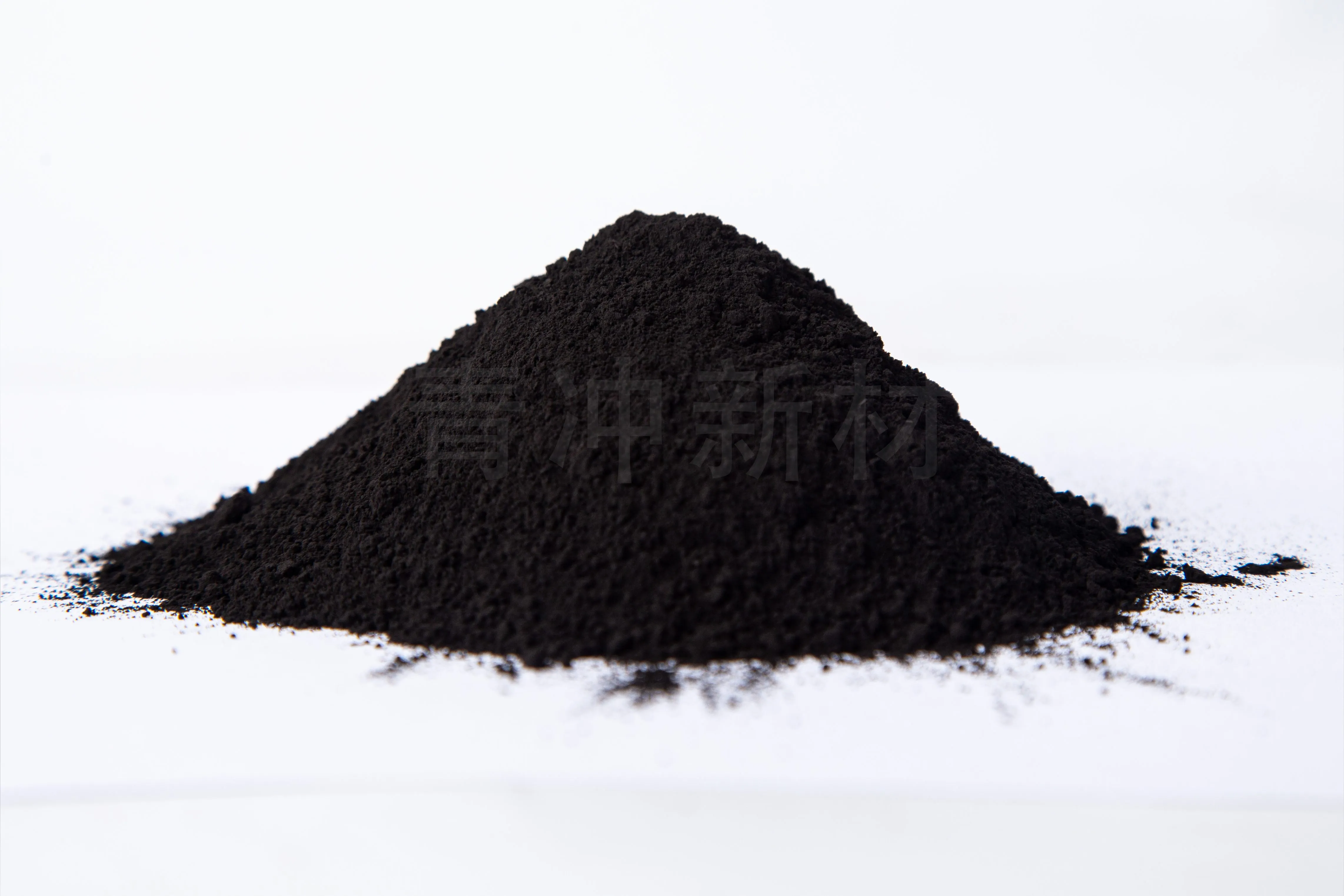
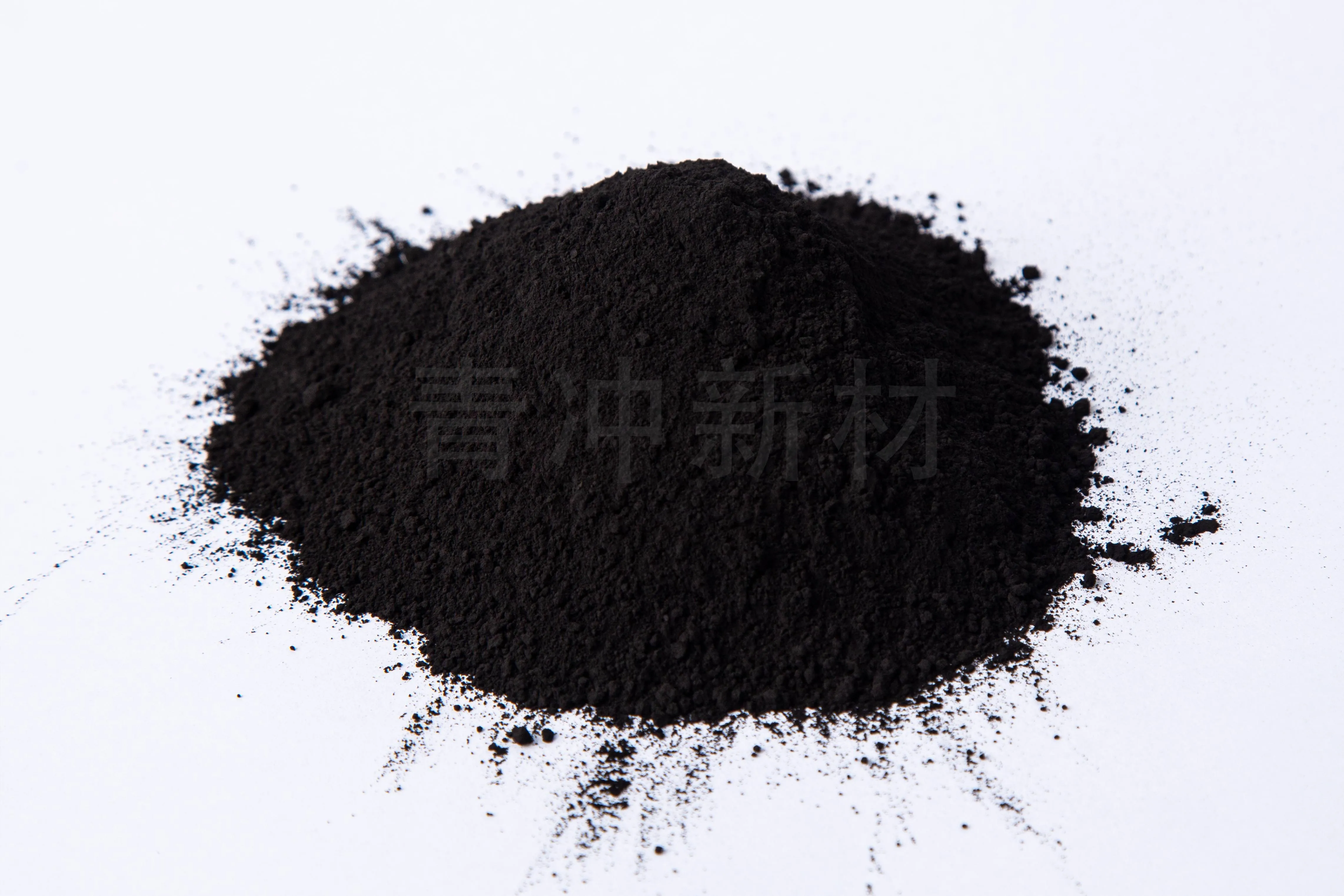
Electrolytic Manganese Dioxide (EMD)

Check chemistry and process conditions before qualification

The first suitability question is which AA battery chemistry and formulation will use the EMD. Confirm whether the material is intended for that chemistry, then compare its documented properties with the limits used by your production and quality teams. If the battery design is changing, or the material is being considered as a replacement for an approved source, qualification should include a controlled comparison under the same manufacturing and test conditions. A mismatch can create problems at more than one stage. Material that falls outside a process requirement may affect handling, formulation consistency, or downstream cell results. A battery maker could then face extra investigation, trial batches, or production adjustments. The specific risks depend on the EMD grade, the recipe, and the process; there is no basis here to assign a numerical performance impact or claim a particular failure mode for QingChong material. Before acceptance, establish the intended use, applicable specification limits, test methods, and change-control requirements. Compare supplier data with your internal criteria rather than relying on a general statement that the material is for batteries. If critical properties or test results are absent, treat them as open qualification items. The company’s location in a major manganese production area and its reported manufacturing experience may inform supplier assessment, but they do not remove the need for application-specific verification.

Electrolytic Manganese Dioxide (EMD)

Prepare a focused EMD qualification request

A useful inquiry gives the manufacturer enough context to respond against a real application. Identify the battery chemistry, confirm that the format is AA, describe whether the request is for a new design or an alternative source, and state the production or quality limits that the material must meet. Include your required test methods and any documentation needed for supplier approval. Do not assume that “electrolytic manganese dioxide” alone specifies the grade or acceptance criteria. Ask QingChong for the current product datasheet and clarify the grade designation, controlled properties, test methods, and available quality documents. If a sample evaluation is being considered, agree on what information will accompany the sample and how results will be compared with your existing baseline. Any sample availability or supply terms should be confirmed directly; none were provided in the available company information. The company reports integrated R&D, production, and sales, along with experience serving global markets and a multilingual website in 14 languages. These points can help frame a technical and commercial discussion, but do not imply a particular lead time, minimum order, or support commitment. Keep the next step simple: send the intended chemistry, application limits, and document requirements, then review the supplier’s product-specific response before starting qualification.

News

Industry updates

Products

Production modules

Why Choose Us

A manganese-focused manufacturer for technical review

QingChong New Materials brings together R&D, production, and sales in a manganese chemical business, giving battery-material buyers a direct starting point for product and documentation questions. The company is based in Xiangtan, a major Chinese manganese production area, and reports more than 20 years of industry experience. Those credentials are relevant when assessing a supplier’s background, though the specific EMD grade must still meet the buyer’s own technical criteria. The company reports a strict quality control system and an ISO 9001:2008 Quality Management System certification passed in July 2010. It also reports National High-tech Enterprise certification in September 2019 and multiple invention patents developed in cooperation with local universities. These are company-level credentials, not evidence of a specific grade’s battery performance; request the applicable product documents for that assessment. For international sourcing teams, QingChong reports global export capabilities and a multilingual website in 14 languages. Its stated principles, “Quality is the foundation of an enterprise's survival” and “Integrity is the foundation of an enterprise's development,” provide a clear basis for discussing quality records and product information. Buyers can use that discussion to establish which specifications, test evidence, and qualification steps are available for their AA battery application.

FAQ

Common technical questions

What should I compare between two EMD grades for AA battery production?

Compare the suppliers’ current specifications, test methods, and grade designations against the limits in your formulation and quality plan. The information provided for QingChong does not include numeric grade properties, so request the datasheet before making a technical comparison.

Can the same EMD be used in alkaline and zinc-carbon AA batteries?

Do not assume so. AA is a size designation, and alkaline and zinc-carbon cells use different chemistries and formulations. Confirm the intended chemistry with the supplier and qualify the material in the relevant battery design.

What should we provide when asking for a suitability review?

State the battery chemistry, AA application, whether this is a new or replacement source, your acceptance criteria, and required test methods or supplier documents. This lets the discussion focus on verifiable requirements instead of a general material description.

How should we handle an EMD grade change in an established production process?

Follow your internal change-control and qualification procedures. Compare the proposed grade’s documentation with the approved baseline and run evaluation under controlled conditions defined by your quality and engineering teams. Agree on sample and supporting documents directly with the supplier.

Need a solution for your project?

Share your product type, target capacity, and application requirements. Our team can review the details and recommend a practical next step.

Contact Us
Whatsapp
WeChat

CONTACT US

Office Address:21/F,Zhonghan Fortune Building,Ji'an Road, Yuetang District,Xiangtan,Hunan,China

Factory Address: Heling Town, Yuhu District, Xiangtan City, Hunan Province, P.R.China

WhatsApp: 8613786275365

Fax: 86-731-52326088

E-mail: [email protected]