 EN
EN
 CN
CN
 fr
fr es
es ar
ar ru
ru de
de pt
pt tr
tr vi
vi it
it ja
ja ko
ko hi
hi
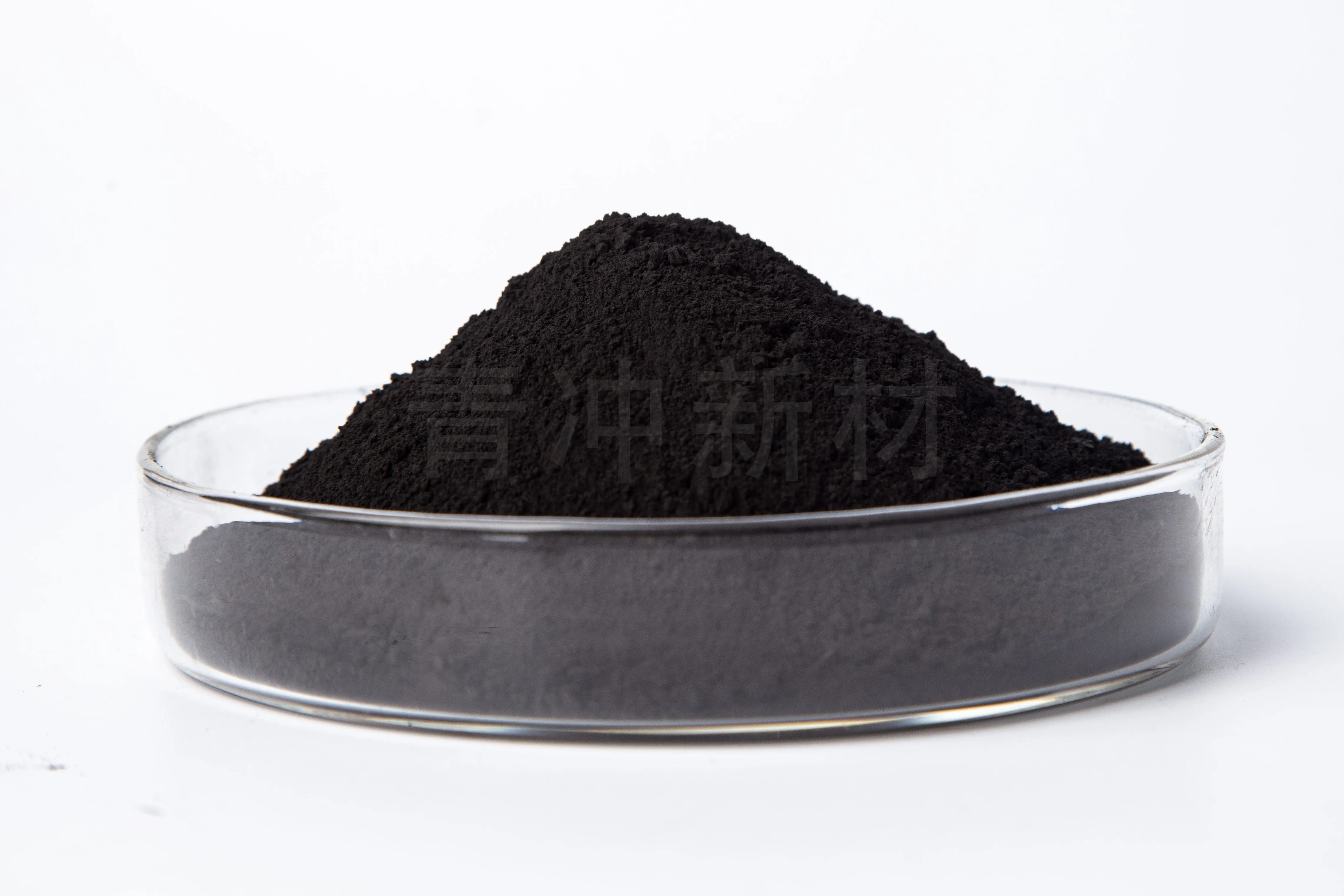
How EMD Functions in a Button-Cell Cathode
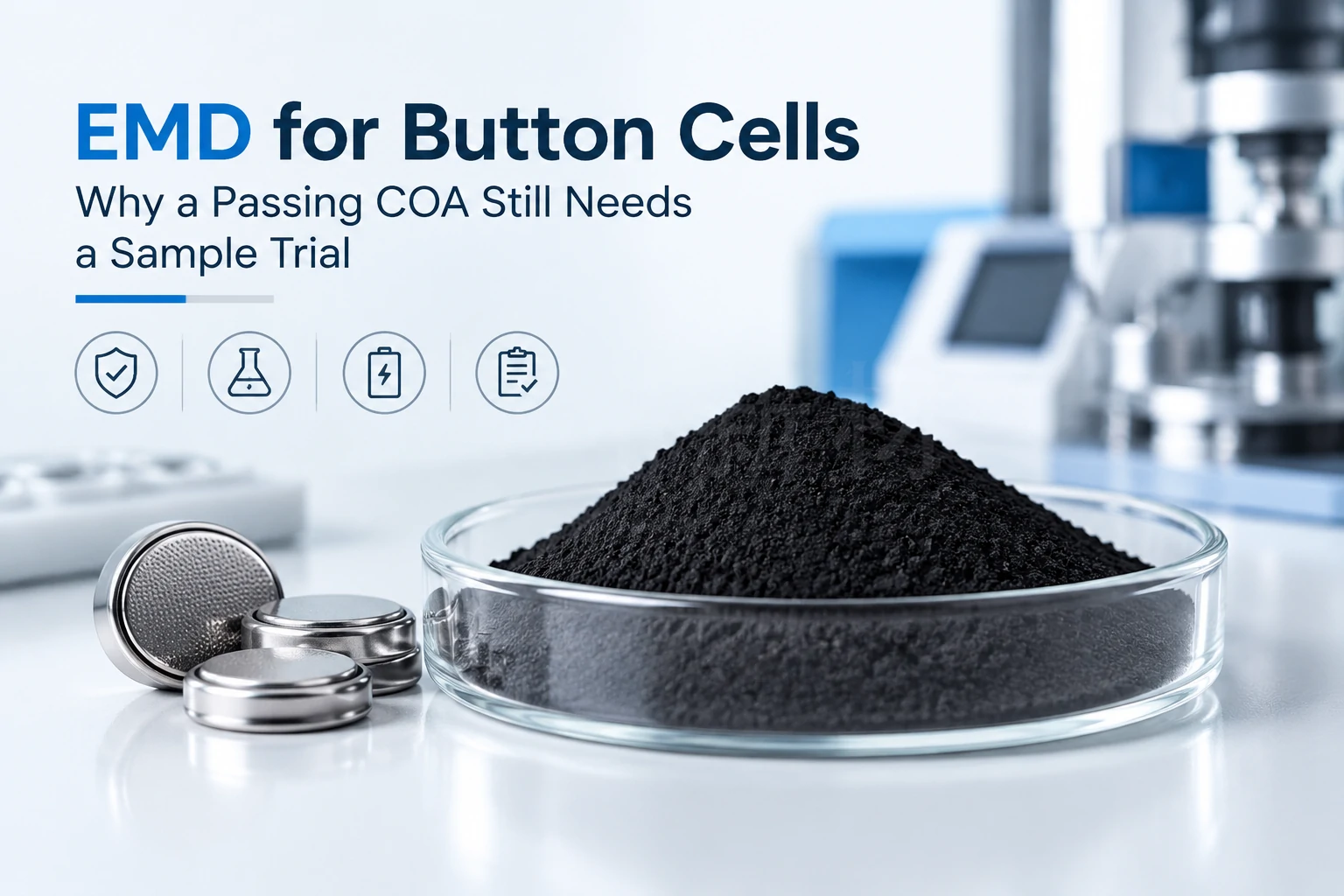
Electrolytic manganese dioxide, commonly abbreviated EMD, is produced through an electrolytic process and is used as a cathode active material in certain primary battery systems. In a button cell, its role depends on the cell chemistry: the cathode material participates in the cell’s electrochemical reactions as the battery supplies power. The material cannot be assessed independently of the rest of the design. Anode selection, electrolyte, electrode formulation, and cell construction all affect whether a given manganese dioxide grade is appropriate. This is why a general reference to “button cell battery” is not enough to establish compatibility. QingChong New Materials identifies manganese dioxide and manganese compounds as its manufacturing focus and integrates R&D with production and sales. However, no technical datasheet for a button-cell EMD grade was included in the supplied information. Buyers should request product-specific composition and test data before making claims about electrochemical performance. A supplier discussion can clarify which documented properties are available for review and whether they correspond to the intended cell chemistry. Treat EMD as one qualified component in a complete battery design, not as a drop-in material whose suitability can be inferred from its name alone.