productlist

Pigment manganese (II) carbonate for Colorant Production

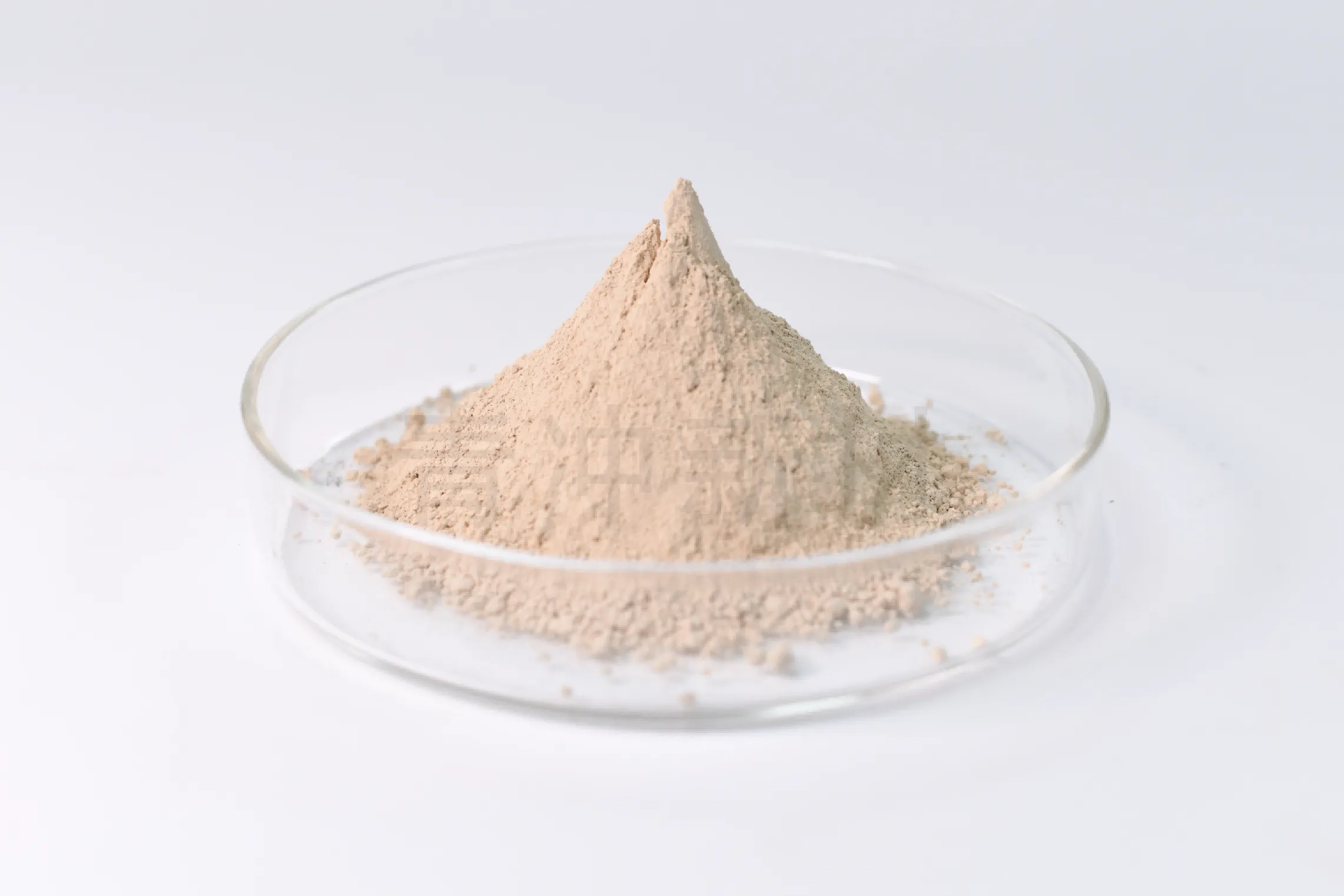
Pigment manganese (II) carbonate

A pigment manufacturer buying manganese carbonate needs more than a chemical name. The material must fit the intended colorant process, and the supplier's documentation must make that fit possible to check. Pigment manganese (II) carbonate refers to manganese(II) carbonate, MnCO3, considered for use as a manganese source in pigment production. It should not be assumed to be a ready-to-use colored pigment or a confirmed pigment-grade material solely because of the search term. QingChong New Materials is a Chinese manganese chemical manufacturer with integrated R&D, production and sales operations. Its experience in manganese chemicals makes it a relevant contact for buyers investigating this material, but no product-specific specification has been provided here. This page is therefore a starting point for technical qualification, not a substitute for a datasheet. It is most relevant to pigment producers and industrial formulators who can identify the stage at which manganese enters their process. Before committing to a trial, establish the required composition, impurity limits, particle characteristics and processing conditions, then request documentation for the actual material offered.

Technical Detail

Configured around process stability, mold life, and long-term uptime.

In pigment manufacturing, the purchase decision usually begins with the role of the manganese source. A buyer may need manganese(II) carbonate as an input to a subsequent reaction or thermal process; that requirement is different from purchasing a finished pigment with a specified shade and dispersion profile. QingChong New Materials focuses on manganese chemicals and operates across R&D, production and sales in Xiangtan Manganese Mine, an established manganese production area in China. The company reports more than 20 years of industry experience and a strict quality control system. Those are useful supplier-background facts, but they do not establish the properties of a particular pigment manganese (II) carbonate offering. No assay, particle-size distribution, impurity limits, packaging specification or batch test results were supplied for this page. Buyers should therefore treat any required values as qualification criteria to confirm with QingChong rather than as published product claims. For a pigment project, the meaningful evidence is an agreed specification tied to a representative sample and its test record. That allows the purchasing team to compare batches against the pigment producer's own acceptance limits. If the material will feed a heat-treatment step, its behavior in that step also needs process testing; if it will be used in a wet route, the relevant checks may differ. QingChong's combined technical and commercial functions provide a point of contact for that discussion, while the final suitability decision remains dependent on verified material data and results from the buyer's process.

Manganese Carbonate (MnCO₃)

What Manganese(II) Carbonate Contributes to a Pigment Process

Manganese(II) carbonate has the chemical formula MnCO3: it contains manganese in the +2 oxidation state paired with carbonate. In a pigment process, that identity matters because the compound is generally considered a manganese-bearing starting material, not a guarantee of the final color. Pigment color and performance depend on what happens after the manganese source is introduced, including the other ingredients, the reaction route and any subsequent thermal treatment. During heating, manganese carbonate can decompose and release carbon dioxide, leaving manganese-containing solids whose final form depends on the conditions and surrounding chemistry. This is a chemical principle, not a stated decomposition temperature or a promise about the outcome of a specific formulation. A buyer should also distinguish chemical identity from commercial grade: two materials described as MnCO3 may differ in impurities, moisture or particle characteristics. Those differences can affect how consistently a process behaves even when the nominal compound name matches. QingChong New Materials' background in manganese chemicals makes it appropriate to ask for identification and test documentation, but no product-specific figures have been provided. The useful question at this stage is simple: which material properties influence the buyer's pigment-forming reaction, and which of those properties can be verified for the material offered?
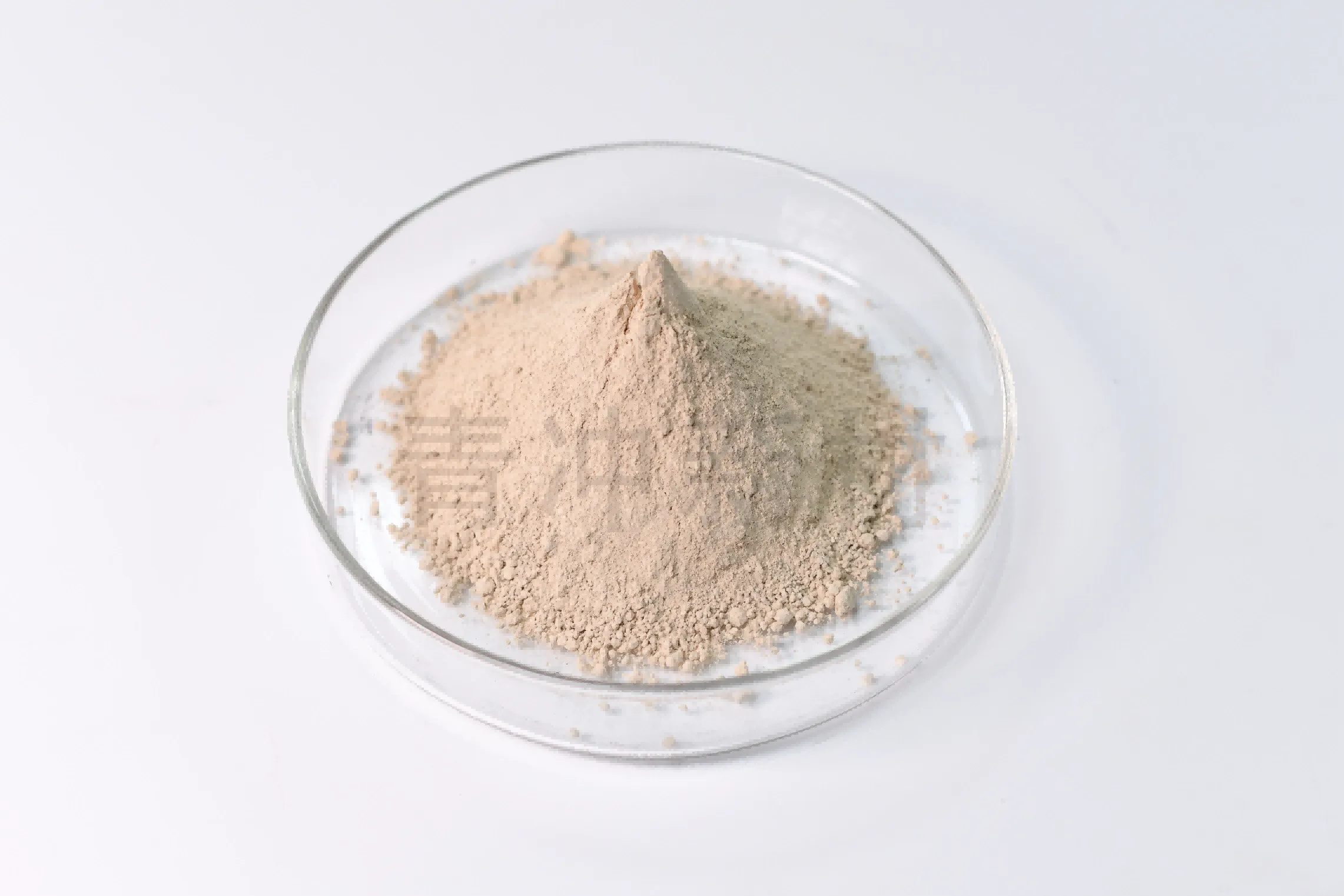
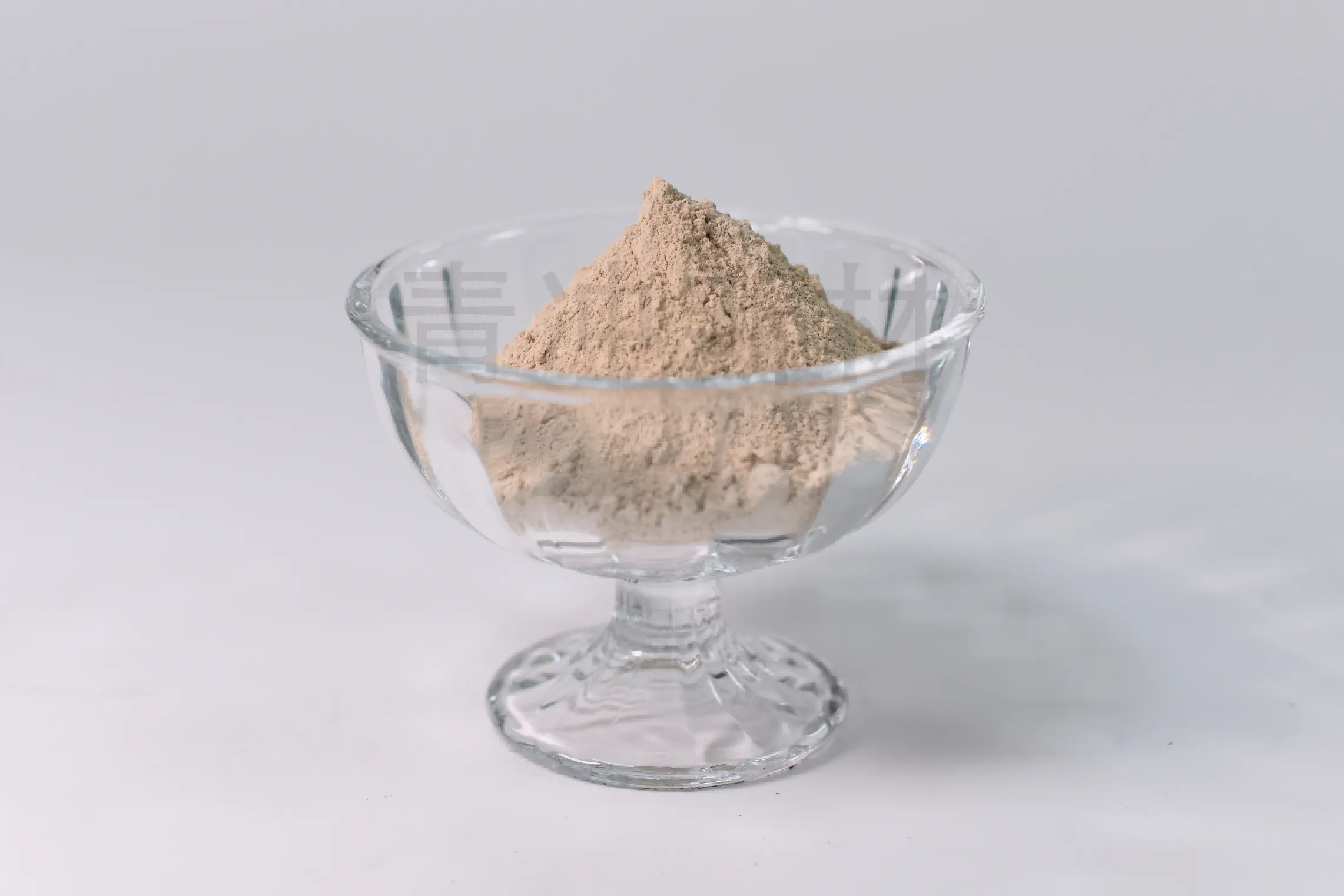
Manganese Carbonate (MnCO₃)

Check Process Conditions Before Assuming Pigment Suitability

Suitability depends on where the carbonate enters the process. For a wet formulation, consider how the powder is introduced, whether the process exposes it to acidic media, and whether particle characteristics or insoluble residues affect mixing and downstream separation. Carbonates can react with acids and release carbon dioxide, so an acid-contact step warrants a controlled process check rather than an assumption of compatibility. For a thermal route, assess the heating conditions and how decomposition products are handled; ventilation and equipment design should be evaluated against the actual process. Neither route can be qualified from the compound name alone. The pigment producer should set limits for properties that affect its own output, such as unwanted elements that could alter shade or create compliance concerns in the finished pigment. Those limits will vary with the target product and its market. QingChong New Materials reports a strict quality control system, but no batch-level analysis or pigment-specific test results accompany this page. Compare a current sample and its documentation with your process limits, then run the material through the relevant production stage before approving it. This is especially important if the intended use requires tight color consistency across batches.

Manganese Carbonate (MnCO₃)

Information to Send With a Pigment-Grade Inquiry

Start the inquiry by stating what you plan to make and where manganese(II) carbonate will enter the process. Specify whether you are producing a pigment through a wet reaction, a thermal step or another route, and explain whether the purchased material is intended as a precursor or as a component of a formulation. Share the acceptance limits you already use for manganese content, relevant impurities, moisture and particle characteristics where those properties matter to your process. These are requested checks, not specifications claimed for QingChong's material. Ask QingChong New Materials which material is available for evaluation and request its current specification, a representative certificate of analysis, handling information and sample details. If batch consistency is critical, describe how you test incoming material and what variation your process can tolerate. State your required regulatory or market documentation separately; a company-level certification does not establish compliance for every pigment application. Once the offered material and test methods are clear, compare them with your acceptance criteria and arrange a process trial before placing a production order. This sequence gives both the technical team and purchasing team a concrete basis for discussion without assuming an unverified grade, price or delivery schedule.

News

Industry updates

Products

Production modules

Why Choose Us

A Manganese-Chemicals Partner for Documented Pigment Evaluation

QingChong New Materials brings a manganese-chemical focus to discussions about pigment manganese (II) carbonate. Based in the Xiangtan Manganese Mine area, the company describes more than 20 years of industry experience and integrated R&D, production and sales operations. That combination is relevant when a buyer needs to connect a technical requirement with an identifiable supply source and a commercial inquiry. QingChong also reports a strict quality control system. Its company background includes passing ISO9001:2008 quality management system certification in July 2010, receiving National High-tech Enterprise certification in September 2019 and obtaining invention patents in cooperation with local universities. These are historical company credentials; they should not be read as a current certificate for a particular shipment or proof that an offered material meets a pigment-grade specification. For overseas buyers, the company's 14-language website and stated global-market focus may make initial communication easier. The practical reason to engage QingChong is the opportunity to put a defined pigment-process requirement in front of a specialist manganese manufacturer. Request current company documents where needed, then assess the actual offered material through its specification, batch evidence and your own trials. That keeps supplier credentials and product qualification in their proper places.

FAQ

Common technical questions

Is pigment manganese (II) carbonate the same as manganese dioxide?

No. Manganese(II) carbonate is MnCO3, while manganese dioxide is MnO2. They differ in chemical composition and manganese oxidation state. Do not substitute one for the other without checking the formulation and process.

Can this material be used directly as a finished color pigment?

That cannot be confirmed from the information provided. MnCO3 may be evaluated as a manganese source in pigment manufacture, but a finished pigment requires its own color, performance and application tests.

What should we check when handling the powder during a trial?

Obtain the safety data sheet for the actual material offered. Review dust-control measures, protective equipment and ventilation for your handling method. If your process involves acids or heating, assess potential gas release under those specific conditions.

How do we compare two manganese carbonate offers for the same pigment recipe?

Compare current specifications and representative batch results using the same test methods where possible. Focus on properties your recipe is sensitive to, then test samples in the same process before judging equivalence.

Need a solution for your project?

Share your product type, target capacity, and application requirements. Our team can review the details and recommend a practical next step.

Contact Us
Whatsapp
WeChat

CONTACT US

Office Address:21/F,Zhonghan Fortune Building,Ji'an Road, Yuetang District,Xiangtan,Hunan,China

Factory Address: Heling Town, Yuhu District, Xiangtan City, Hunan Province, P.R.China

WhatsApp: 8613786275365

Fax: 86-731-52326088

E-mail: [email protected]