productlist

Fertilizer manganese (II) carbonate for formulation buyers

Fertilizer manganese (II) carbonate

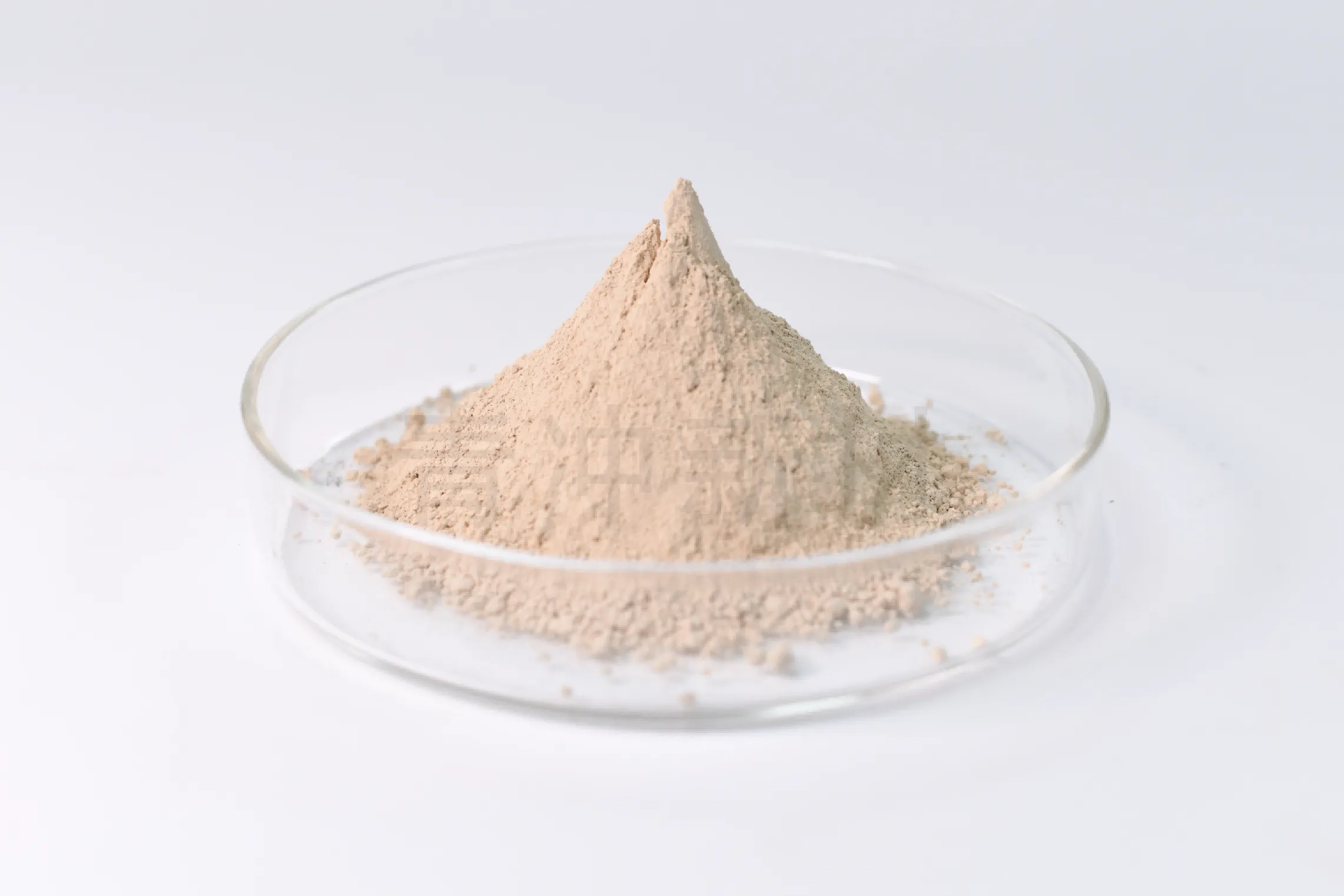
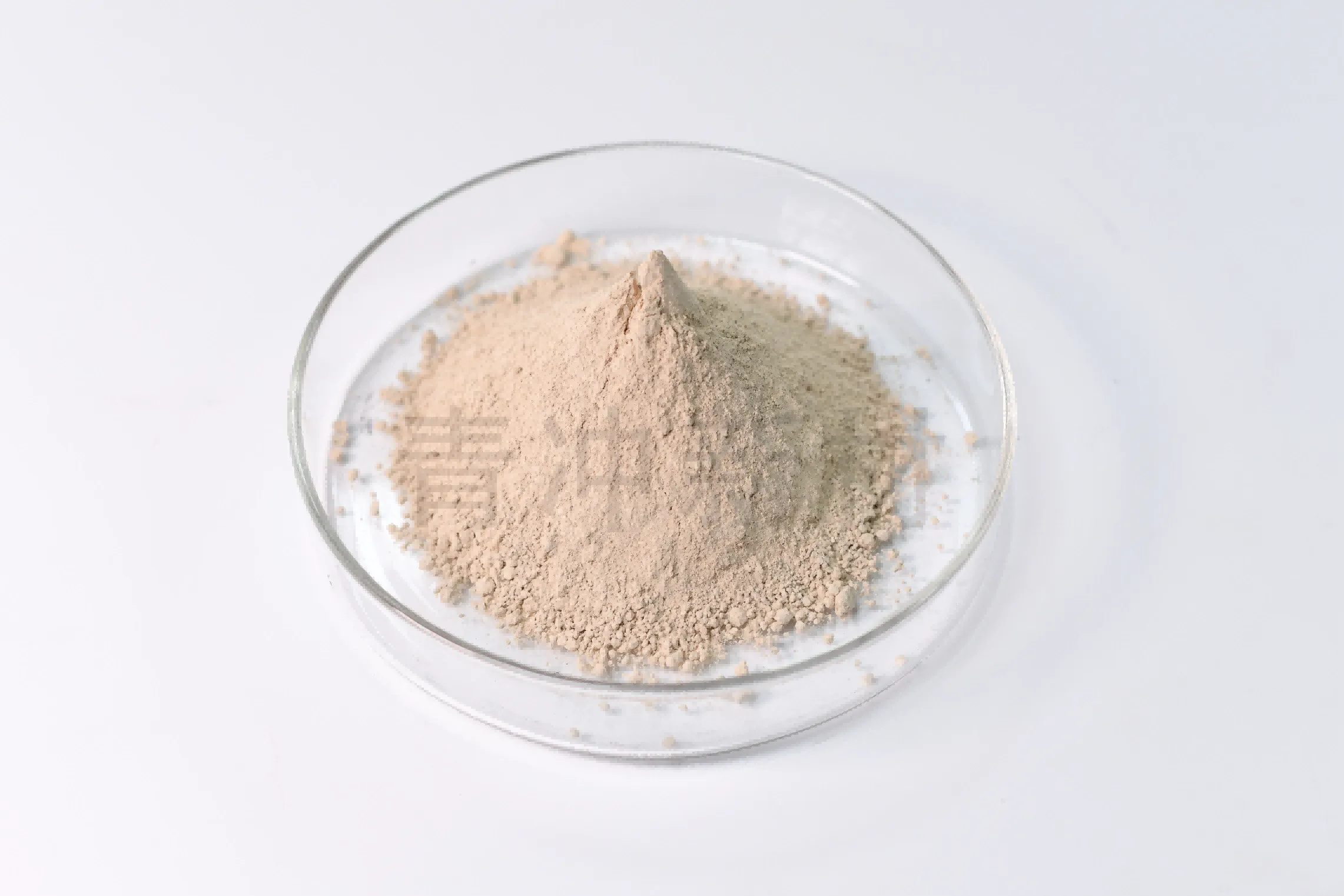
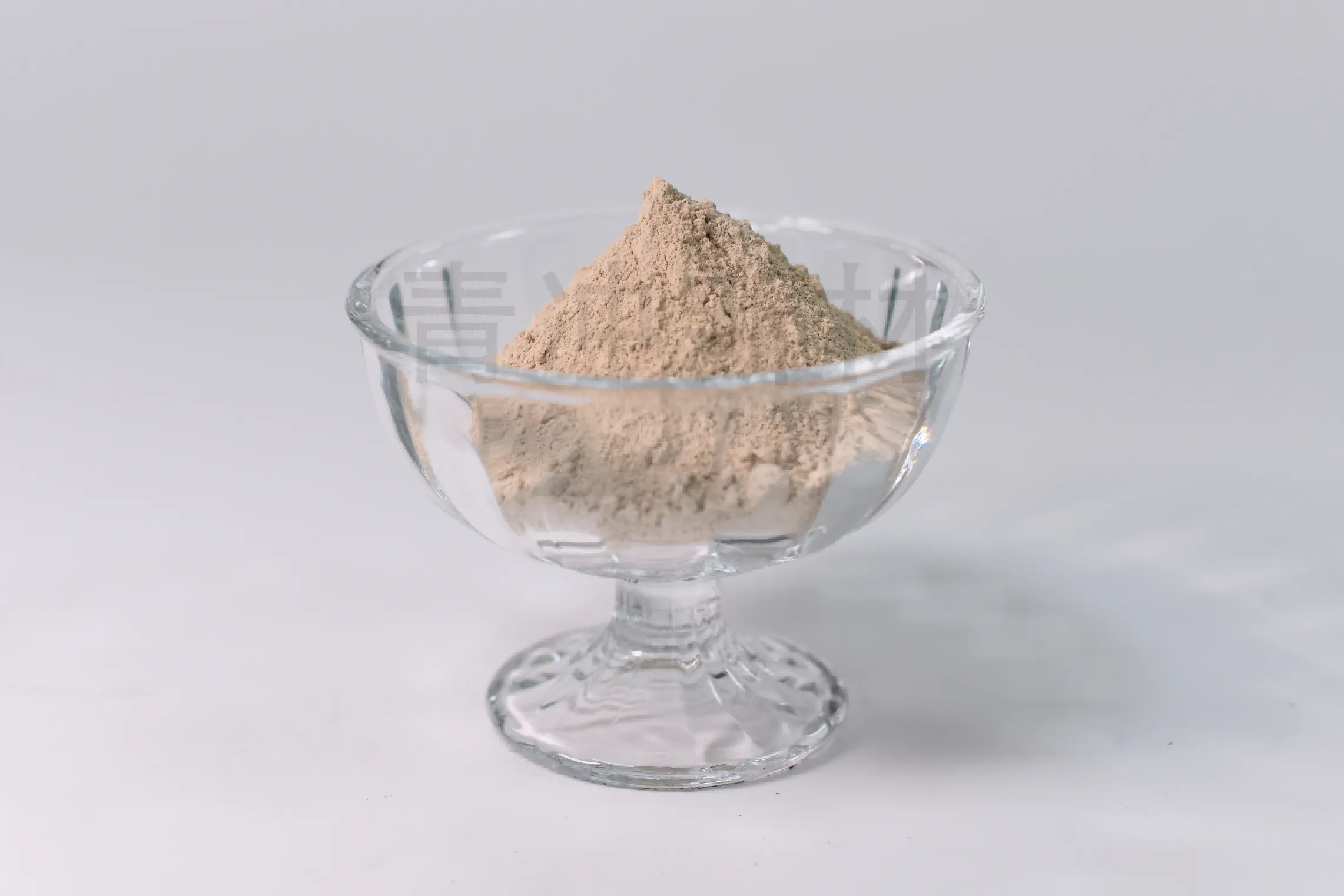
Fertilizer manganese (II) carbonate refers to manganese carbonate, MnCO3, considered as a source of manganese in fertilizer formulations. For buyers, the name identifies a chemical substance, not a complete fertilizer specification. The amount of manganese a finished product can deliver, how readily it becomes available to plants, and whether a powder will run through a production line all depend on details that have not been supplied for this product. This page is therefore a starting point for technical discussion, not a claim that a particular grade is ready for every fertilizer use. The most relevant buyers are fertilizer manufacturers, blenders, and distributors who can define their intended formulation and request supporting batch information. QingChong New Materials is a Chinese manganese chemical manufacturer with integrated R&D, production, and sales operations. If you are assessing fertilizer manganese (II) carbonate, begin with the crop or formulation problem you need to address. Then identify the application method, formulation environment, and documentation your market requires. Those details give both parties a sound basis for discussing suitability.

Technical Detail

Configured around process stability, mold life, and long-term uptime.

A purchase order headed “fertilizer manganese (II) carbonate” leaves important questions unanswered. Manganese carbonate is a defined compound with the formula MnCO3, but the chemical name alone does not state a supplied grade’s manganese assay, impurity profile, particle-size distribution, or moisture content. No product-specific values for those properties have been provided here. Buyers should therefore treat this page as an introduction to a possible fertilizer ingredient, subject to specification review, rather than as a published technical data sheet. For a fertilizer manufacturer, that distinction matters at several stages. An ingredient may need to disperse within a solid blend, tolerate a particular granulation process, or meet limits set by the destination market. Those requirements cannot be settled by the compound name. They call for a current specification and, where relevant, a representative batch analysis. QingChong New Materials integrates manganese-chemical R&D, production, and sales in Xiangtan Manganese Mine, a major Chinese manganese production base. Its stated operations include a strict quality-control system. The company has more than 20 years of industry experience, but those company-level facts should not be read as proof of a specific fertilizer grade or regulatory approval. The useful next step is to match your intended use to documented product properties. Ask QingChong which manganese carbonate grades, if any, are offered for your fertilizer application and which specifications can be verified before qualification.

Manganese Carbonate (MnCO₃)

How manganese carbonate releases manganese

The “(II)” in manganese (II) carbonate describes manganese in the +2 oxidation state. Its formula, MnCO3, pairs manganese with carbonate. In a fertilizer context, the practical question is not simply whether manganese is present, but what happens to the compound after application. Manganese carbonate is not a freely water-soluble manganese source in the way a buyer might expect of a material selected for a clear aqueous solution. Dissolution can increase under acidic conditions as carbonate reacts, while conditions in a particular soil or formulation influence what manganese remains available afterward. That chemical behavior helps explain why manganese content on an assay and nutrient availability in use are different questions. It also explains why the same compound may be considered differently for a solid blend and for a solution-based product. This is a description of the compound’s general chemistry, not a performance claim for an unspecified QingChong grade. No dissolution rate, plant-response result, or particle-size value has been supplied. Those measurements, if needed for your formulation, must be established through grade documentation and application-specific testing.
Manganese Carbonate (MnCO₃)

Where formulation and field conditions change suitability

Start by separating the manufacturing environment from the field environment. In a dry blend or granulation process, a buyer may need to evaluate how the manganese carbonate grade mixes, handles, and remains distributed alongside other ingredients. Those outcomes depend in part on physical properties that have not been specified here, so a small formulation trial may be appropriate before production use. An application requiring a clear, fully dissolved manganese solution raises a different concern: manganese carbonate should not be assumed to behave like a readily soluble manganese salt. Field conditions matter as well. Soil pH and other soil characteristics can affect manganese availability after a carbonate-containing material is applied; a stated manganese assay alone cannot predict crop uptake. Buyers working across several growing regions should assess the intended use in each relevant context instead of assuming one result transfers unchanged. QingChong’s manganese-chemical manufacturing background provides a point of contact for discussing the material, but suitability still needs to be judged against your own process and agronomic requirements. Where a destination market imposes ingredient or contaminant limits, confirm those requirements against documentation for the specific offered grade.

Manganese Carbonate (MnCO₃)

What to send before requesting a grade recommendation

A useful inquiry gives QingChong enough information to check whether an offered manganese carbonate grade fits the job. State whether the material will enter a dry blend, a granulated fertilizer, or another formulation, and explain how that finished product will be applied. Share the manganese target for the finished formulation, the other ingredients involved, and any handling limits imposed by your equipment. If particle size, moisture, or particular impurities could disrupt production or market access, list the limits you need; do not assume values from the chemical name. Include the destination market and the documents your team requires for qualification. Then request the available grade specification and relevant batch analysis so your technical staff can compare documented properties with your acceptance criteria. Ask explicitly whether QingChong has a grade intended for the proposed fertilizer use. Its integrated R&D, production, and sales operations are relevant to that conversation, but this page does not establish an available grade, a custom specification, or a delivery commitment. A sample-based production trial and any agronomic validation should be planned according to your own approval process.

News

Industry updates

Products

Production modules

Why Choose Us

Why discuss manganese carbonate with QingChong?

QingChong New Materials combines R&D, production, and sales in one manganese-chemical business and is based in the Xiangtan Manganese Mine area. That location and more than 20 years of industry experience make the company a relevant manufacturer to approach when a buyer needs to investigate a manganese ingredient rather than purchase by chemical name alone. QingChong describes strict quality control as part of its operations. At the company level, it passed ISO9001:2008 quality management system certification in July 2010 and was certified as a National High-tech Enterprise in September 2019. It also reports invention patents obtained in cooperation with local universities. These points describe the manufacturer’s background; they do not certify fertilizer manganese carbonate, establish a current product specification, or confirm compliance in a particular export market. The brand’s 14-language website offers an accessible starting point for international buyers to communicate application requirements. For a sound purchasing decision, put the manufacturer’s background alongside the evidence for the actual material offered: a grade specification, applicable batch records, and the documents required by your market. That keeps the qualification discussion focused on verifiable facts.

FAQ

Common technical questions

Is manganese carbonate interchangeable with manganese sulfate in a liquid fertilizer?

Do not assume so. Manganese carbonate and manganese sulfate differ in water solubility. If your product must form a clear aqueous solution, assess dissolution and formulation stability with the specific material before approving a substitution.

Can I use this material in a fertilizer for alkaline soil?

That cannot be determined from the compound name alone. Soil pH can affect manganese availability, and a carbonate source may behave differently from a more soluble source. Review the soil conditions and validate the intended application before making a nutrient-availability claim.

What should our production team check during a dry-blend trial?

Check whether the material feeds consistently, mixes evenly, and remains acceptably distributed through handling. Record any dusting or segregation concerns and compare the results with the documented particle-size and moisture properties of the grade under test.

Does QingChong publish a fertilizer-grade manganese assay or contaminant limits here?

No product-specific assay or contaminant limits were provided for this page. Request the specification and relevant batch analysis for any grade proposed for your use, then compare them with your formulation targets and destination-market requirements.

Need a solution for your project?

Share your product type, target capacity, and application requirements. Our team can review the details and recommend a practical next step.

Contact Us
Whatsapp
WeChat

CONTACT US

Office Address:21/F,Zhonghan Fortune Building,Ji'an Road, Yuetang District,Xiangtan,Hunan,China

Factory Address: Heling Town, Yuhu District, Xiangtan City, Hunan Province, P.R.China

WhatsApp: 8613786275365

Fax: 86-731-52326088

E-mail: [email protected]