productlist

EMD Uses: Where Electrolytic Manganese Dioxide Fits

EMD uses

A battery-material purchase can go wrong even when the material name on the order is correct. Electrolytic manganese dioxide, or EMD, is commonly used as a cathode active material in primary batteries, but its suitability depends on the cell design and the properties of the material supplied. For buyers researching EMD uses, the practical question is therefore more specific than “Can this material go into a battery?” It is whether a proposed EMD grade can be qualified for their process and performance targets. This page is intended for battery manufacturers, cathode-material teams, and distributors preparing a technical inquiry. QingChong New Materials is a Chinese manganese chemical manufacturer with integrated R&D, production, and sales operations. No product-grade datasheet has been provided here, so this page does not claim a particular EMD specification, battery compatibility, or available grade. Instead, it explains the material’s role, the conditions buyers should examine, and the information needed for a useful supplier discussion. Start with the intended cell chemistry and your existing material requirements; those details determine what can be evaluated next.

Technical Detail

Configured around process stability, mold life, and long-term uptime.

EMD uses are most closely associated with primary-battery cathodes. In that setting, manganese dioxide is the active material involved in the cell’s discharge reaction. A buyer may be sourcing it for a new cell design, evaluating an alternative supply source, or checking whether a proposed material can replace an existing qualified grade. Those are different projects: a replacement must be assessed against an established reference, while a new design may require a broader testing program. The shared requirement is evidence from the buyer’s own cell and production process. QingChong New Materials describes itself as a manufacturer of manganese chemicals serving global markets. Its operations combine R&D, production, and sales, and the company reports more than 20 years of industry experience. It is based in the Xiangtan Manganese Mine area, an established Chinese manganese production base. These facts provide context for a supplier inquiry, but they do not establish the properties of an unspecified EMD product. Before treating a material as suitable for an alkaline or another primary-cell application, buyers should request the relevant grade documentation and confirm the intended use with QingChong. This distinction matters to procurement as well as engineering teams. A category label such as EMD identifies a material family; it is not a substitute for agreed acceptance criteria, sample evaluation, or qualification in the buyer’s finished cell.

Electrolytic Manganese Dioxide (EMD)

What EMD Does Inside a Primary Cell

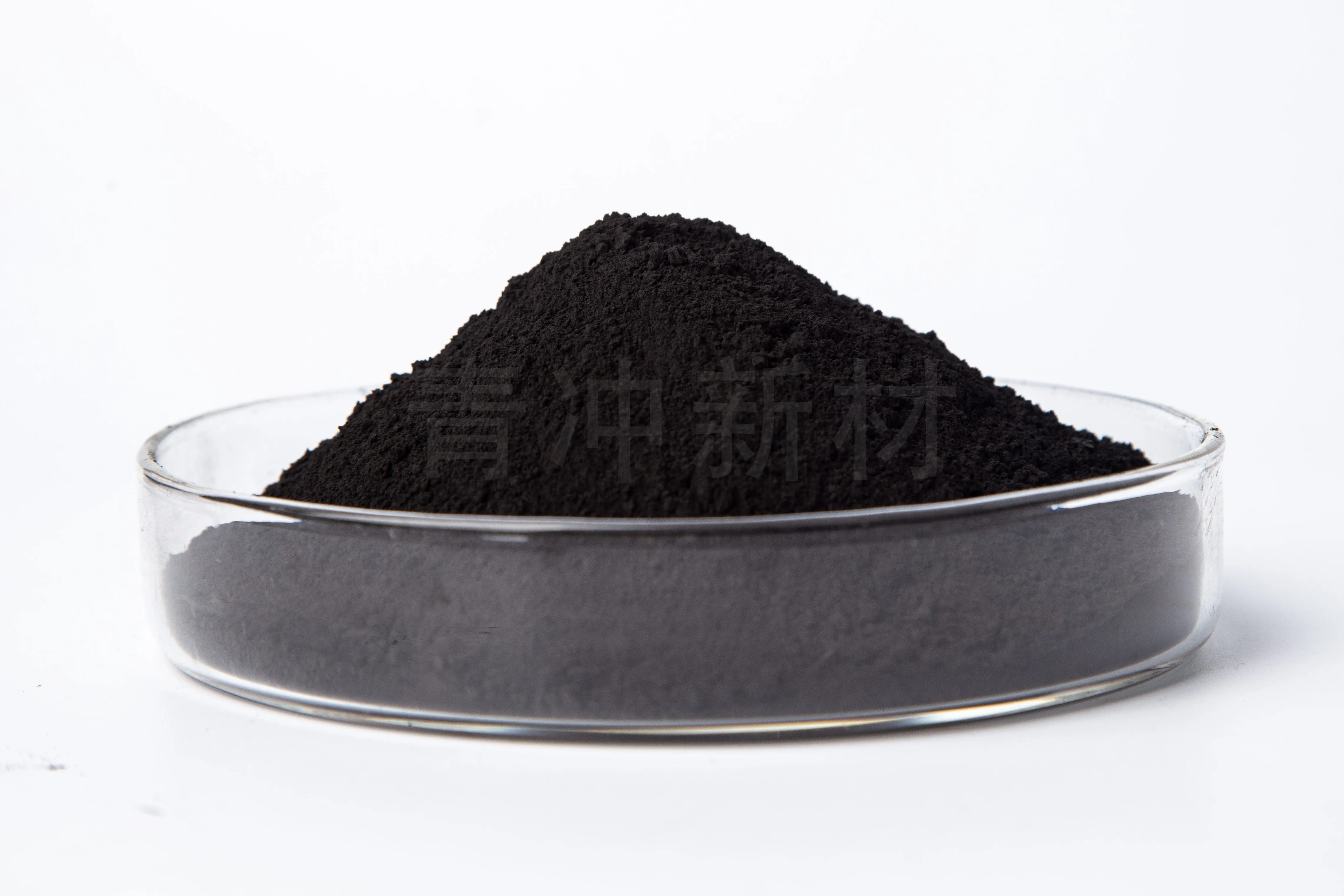
EMD is produced by an electrolytic process and is known for its use as manganese dioxide cathode active material. During discharge in a compatible primary-cell design, the cathode material participates in electrochemical reactions as the cell delivers power. That describes its function, but not how a particular supplier grade will behave in a finished battery. Cathode preparation and cell assembly also matter: material is handled, blended with other formulation components where required, and incorporated into a design with its own electrical and mechanical constraints. A difference in material properties may affect processing or discharge behavior even when two samples are both sold as EMD. It is useful to separate three terms that are often collapsed in an inquiry. “EMD” names the material category; a “grade” identifies a supplier-defined product with documented characteristics; and “qualified material” means the buyer has tested it against the requirements of a particular application. QingChong’s stated R&D and production capabilities make it an appropriate party to ask for product-specific documentation. Because no QingChong EMD datasheet was supplied for this page, no particle-size distribution, purity, density, or electrochemical value is attributed to its material here.
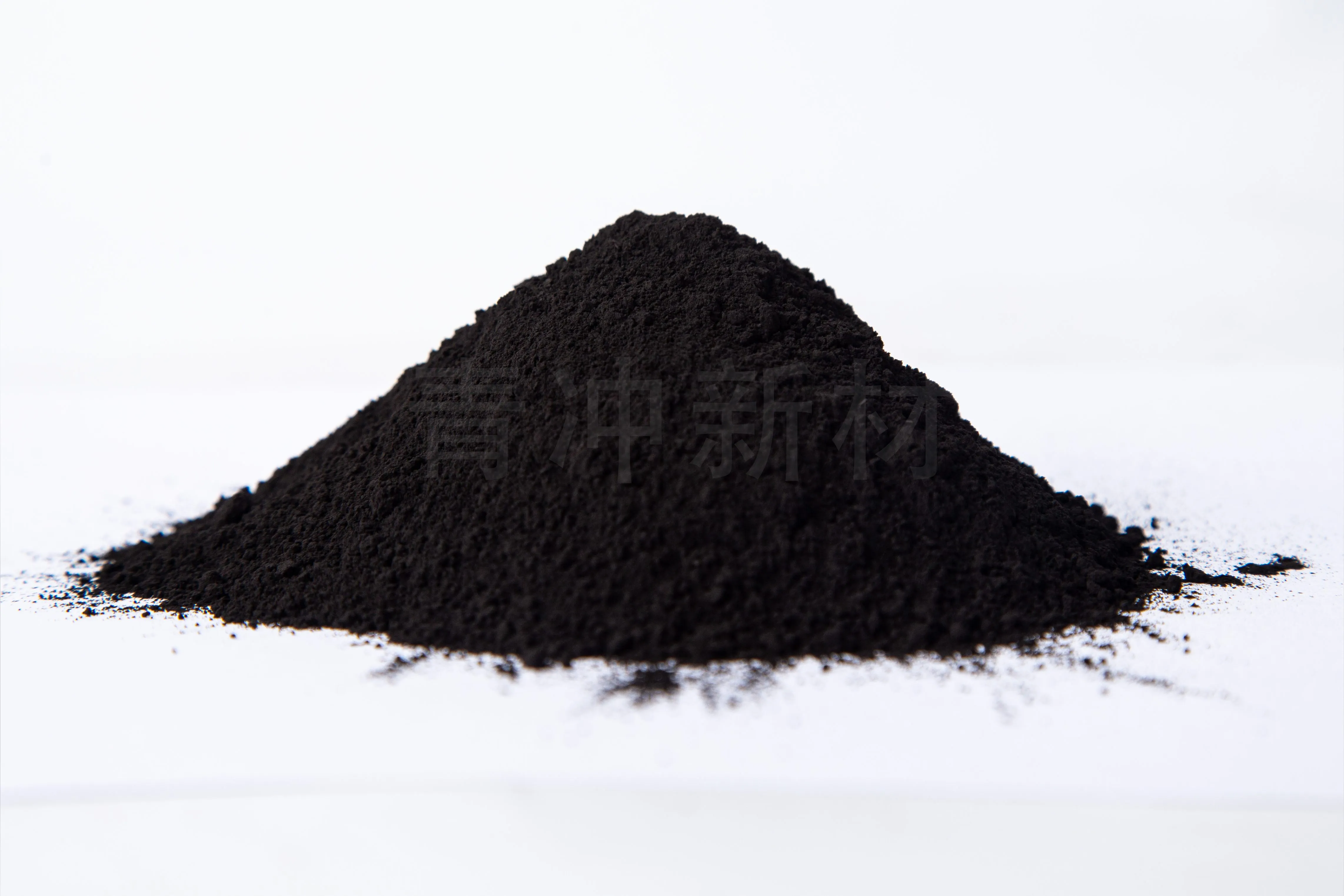
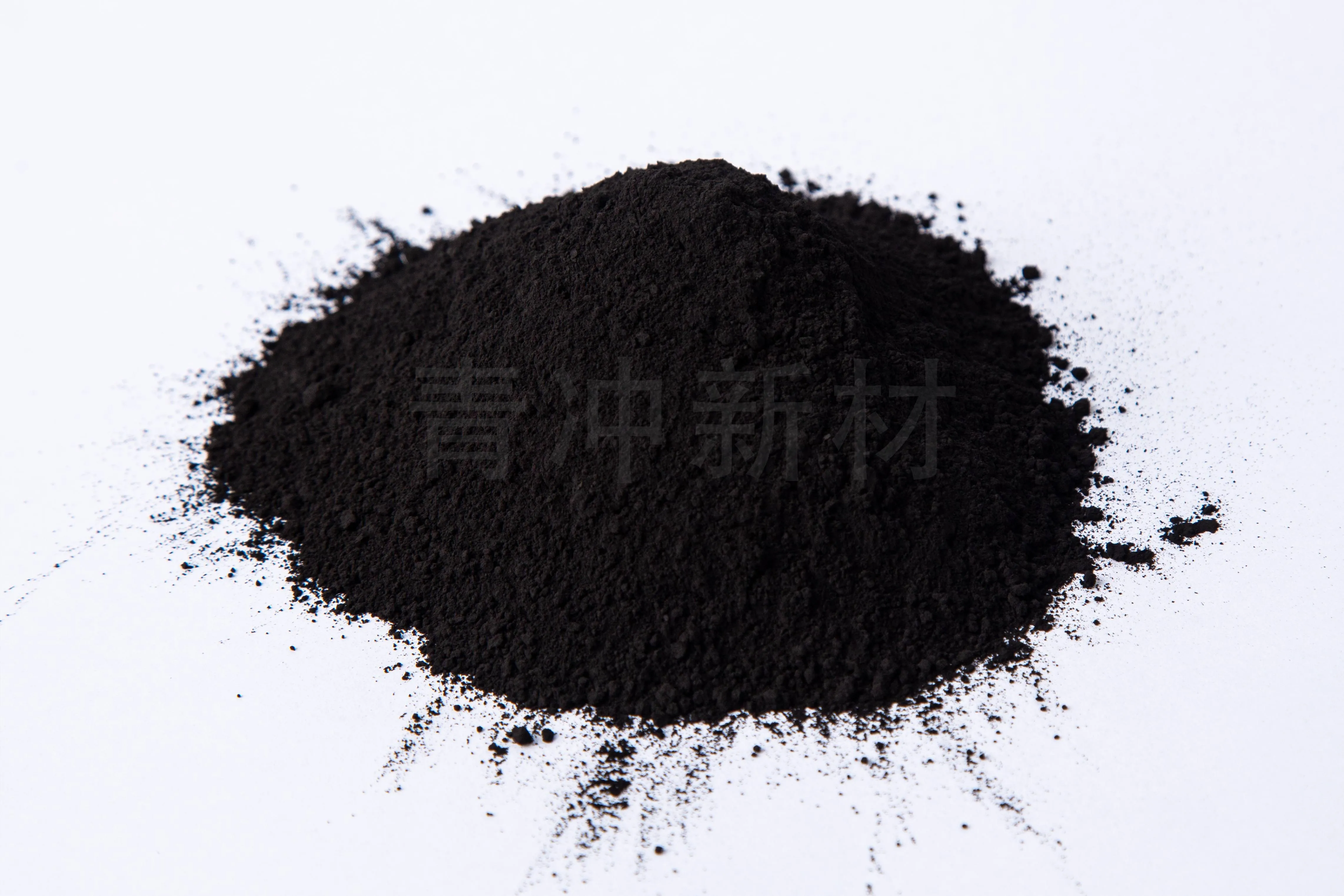
Electrolytic Manganese Dioxide (EMD)

Check the Cell and Process Conditions Before Judging Fit

The intended battery system sets the context for evaluating EMD. A material considered for an alkaline primary cell, for example, should be assessed under that cell maker’s formulation, manufacturing steps, and discharge tests. A claim of general battery use cannot establish performance in a specific design. Buyers should also examine how a sample behaves in their production process. Handling, mixing, and cathode formation can expose differences that are not apparent from a material name alone. The relevant operating conditions include the temperatures, discharge rates, and storage expectations used in the finished-cell specification. Those conditions should be reflected in qualification tests rather than inferred from a supplier description. For a substitution project, compare candidate material against the currently approved grade using the same test methods. Decide in advance which results would require reformulation, additional trials, or rejection. QingChong states that it operates a strict quality control system, but the supplied company information contains no EMD-specific test results or grade limits. Suitability therefore remains conditional until the buyer reviews the proposed grade’s documentation and tests representative material in the intended process.

Electrolytic Manganese Dioxide (EMD)

Prepare an EMD Inquiry That Can Be Evaluated

A useful inquiry begins with the application: state the cell chemistry, whether the project is a new design or a replacement, and the stage of qualification. If an existing EMD grade is being replaced, provide its approved specification or a comparison list rather than relying on a trade name alone. Share the properties your team actually controls at incoming inspection and the test methods used to measure them. If your process has handling constraints or your cell must pass defined discharge and storage tests, identify those requirements as well. Ask QingChong which EMD product, if available, is intended for the stated application and request its current grade documentation, test information, and sample-identification details for review. Confirm how a proposed material would be matched to your acceptance criteria before discussing a production purchase. The information supplied for this page does not establish available grades, numerical specifications, packaging options, minimum order quantities, prices, or lead times; each should be confirmed directly where relevant. QingChong’s integrated R&D, production, and sales operations provide a clear starting point for a technical discussion, while the buyer’s written requirements keep that discussion tied to a verifiable qualification decision.

News

Industry updates

Products

Production modules

Why Choose Us

Why Discuss EMD Requirements with QingChong

For an EMD inquiry, supplier evaluation should look beyond a material category on a product list. QingChong New Materials combines R&D, production, and sales within one manganese chemical business, giving buyers a direct basis for discussing application requirements and product documentation. The company reports more than 20 years of industry experience and is located in the Xiangtan Manganese Mine area, a significant manganese production base in China. Its stated quality philosophy places quality control and business integrity at the center of operations. QingChong reports a strict quality control system and records that it passed ISO9001:2008 quality management system certification in July 2010. That historical certification should not be read as proof of current certification status or as certification of a particular EMD grade; buyers should request current documents if these are required for supplier approval. The company was certified as a National High-tech Enterprise in September 2019 and reports invention patents developed with local universities. Its multilingual website supports communication with overseas buyers. These credentials are reasons to begin a documented technical review, not substitutes for an EMD datasheet, lot-specific evidence, or qualification in the buyer’s own cell.

FAQ

Common technical questions

Is EMD the same as chemical manganese dioxide?

No. Both names refer to manganese dioxide materials, but they describe different production routes. Do not assume they are interchangeable in a cathode formulation; compare documented grade properties and test the candidate in your cell.

Can I use EMD in a rechargeable battery design?

Do not infer rechargeable-cell suitability from EMD’s established use in primary batteries. Specify your exact chemistry and design, then ask for application-specific documentation and run the qualification tests required by your team.

What should our team check when an EMD sample arrives?

Confirm the sample identity and accompanying documents against the inquiry, then test it using your approved incoming-inspection methods. Keep the sample traceable through process trials and cell testing so results can be linked to the material evaluated.

Which EMD grade should I request for an alkaline primary cell?

Start with your cell specification and any approved reference grade. Ask QingChong to identify a product intended for that use and provide its current documentation. A grade recommendation cannot be made from the supplied company information alone.

Need a solution for your project?

Share your product type, target capacity, and application requirements. Our team can review the details and recommend a practical next step.

Contact Us
Whatsapp
WeChat

CONTACT US

Office Address:21/F,Zhonghan Fortune Building,Ji'an Road, Yuetang District,Xiangtan,Hunan,China

Factory Address: Heling Town, Yuhu District, Xiangtan City, Hunan Province, P.R.China

WhatsApp: 8613786275365

Fax: 86-731-52326088

E-mail: [email protected]