 EN
EN
 CN
CN
 fr
fr es
es ar
ar ru
ru de
de pt
pt tr
tr vi
vi it
it ja
ja ko
ko hi
hi
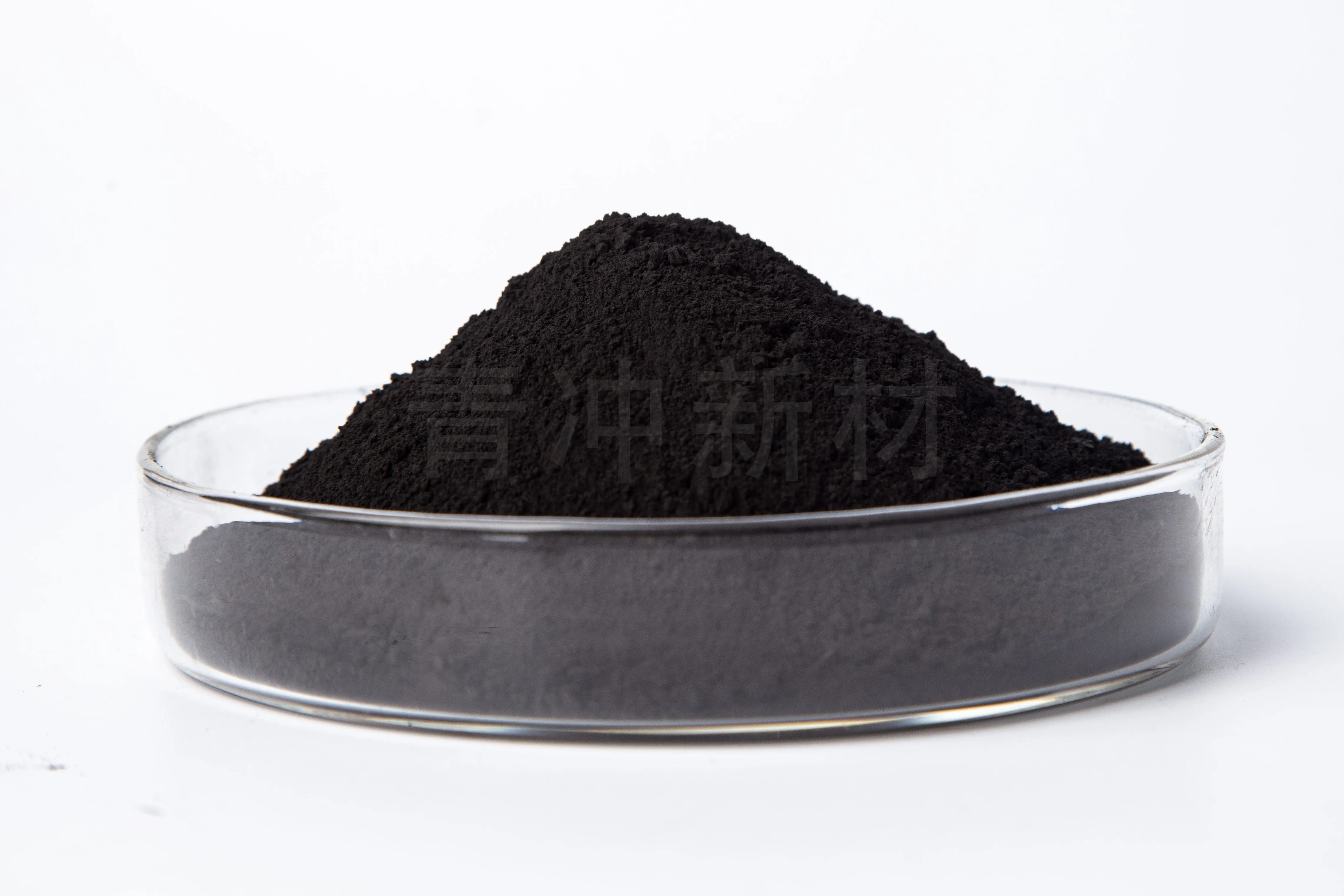
What EMD Does in a Primary-Battery Cathode
In a primary alkaline manganese cell, manganese dioxide participates in the cathode reaction during discharge. EMD names the electrolytic route by which the manganese dioxide is produced; it does not, by itself, describe every property that affects its behavior in a finished cell. A battery maker evaluates the material as one part of a complete design that also includes the anode, electrolyte, separator, and cathode formulation. This is why two materials both called EMD should not be assumed interchangeable. Differences in their documented composition and physical properties may affect processing or cell results, even when both are described as manganese dioxide. For a technical conversation with QingChong New Materials, identify whether EMD is intended as an active cathode input or as a feedstock for further processing. That distinction tells the supplier which documentation to discuss and tells your engineering team which tests matter. It also prevents a common misunderstanding: a general statement about EMD's function is not evidence that an unspecified lot will meet a particular discharge or manufacturing target.