productlist

EMD Process: What Buyers Need to Verify

EMD process

An EMD process produces electrolytic manganese dioxide through the electrochemical oxidation of dissolved manganese. For a buyer, though, the process name is only a starting point. It does not identify a finished grade, establish battery performance, or confirm that a particular supplier uses a particular production route. Those questions need product-specific evidence. QingChong New Materials is a Chinese manufacturer of manganese dioxide and other manganese chemicals, with integrated R&D, production, and sales operations. Its location in the Xiangtan Manganese Mine area and more than 20 years of industry experience make it a relevant contact for buyers investigating manganese dioxide supply. The information provided here does not identify a QingChong EMD grade or state that its manganese dioxide is made by electrolysis. If your specification calls for EMD, first confirm that the offered material is electrolytic manganese dioxide. Then establish the intended application, required test methods, and acceptance limits before comparing offers. This page explains what the process means, where material fit needs scrutiny, and what to send with an inquiry.

Technical Detail

Configured around process stability, mold life, and long-term uptime.

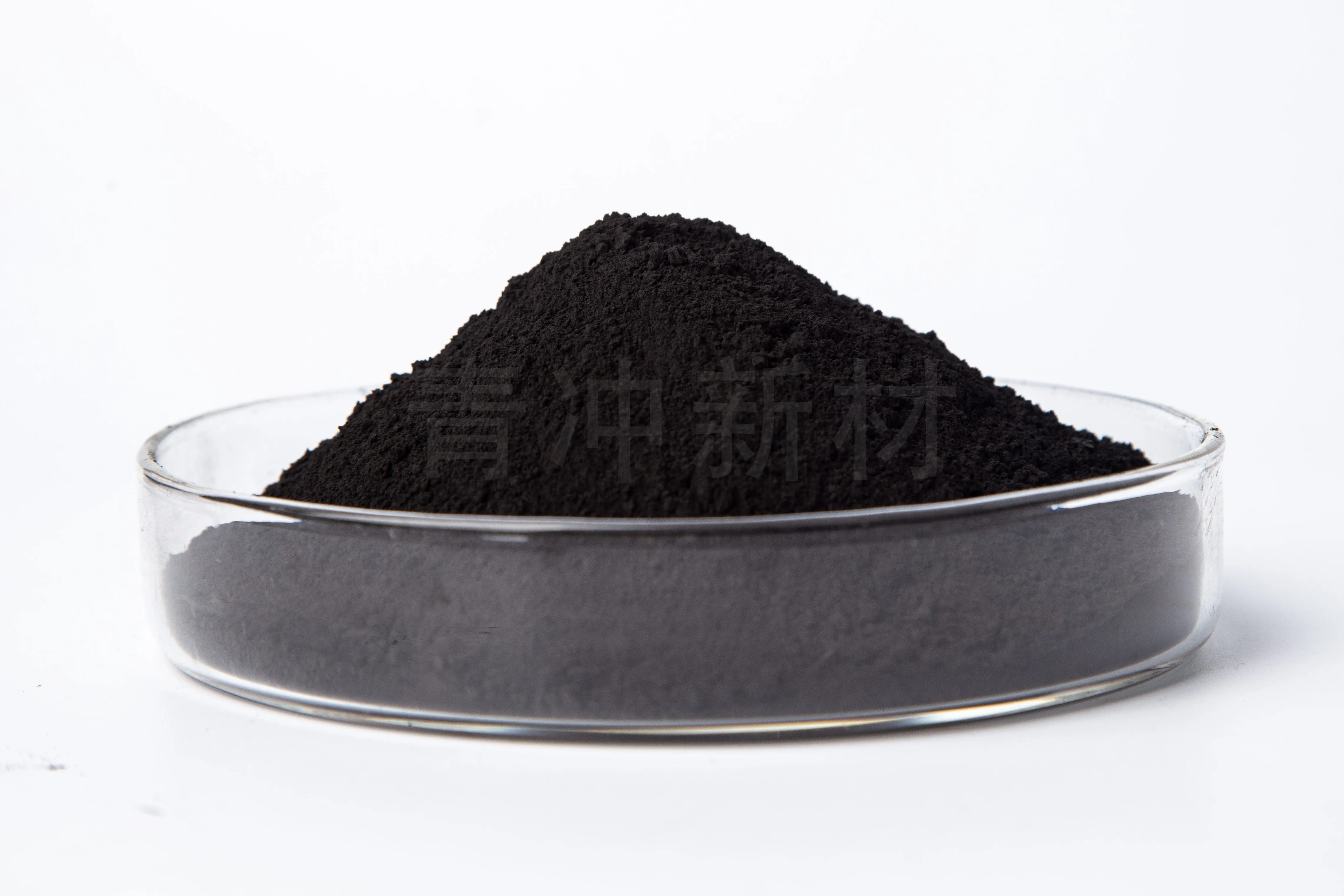
The commercial output associated with an EMD process is electrolytic manganese dioxide, often abbreviated EMD. The word “electrolytic” describes how the manganese dioxide is formed; it is not, by itself, a complete purchasing specification. A buyer still needs an identified grade and documented results for the properties that matter in the intended use. Without those details, two offers described as manganese dioxide may not be directly comparable, and two materials described as EMD may require different qualification work. QingChong New Materials positions itself as a manufacturer focused on manganese dioxide and manganese compounds. It combines R&D, production, and sales, operates from the Xiangtan Manganese Mine area, and cites a strict quality control system. Those are useful supplier-context facts, but they do not establish a particular EMD production line, grade, capacity, or analytical result. No such product data has been supplied for this page. Treat an EMD inquiry as a request for a defined material rather than an assumption based on the supplier’s broader product category. Ask which manganese dioxide grades are available, whether any are produced by electrolysis, and which current technical documents can be shared for the proposed grade. That distinction helps keep an early supplier discussion precise: the process term explains the type of material being sought, while the grade documentation determines what is actually being offered.

Electrolytic Manganese Dioxide (EMD)

How Electrolysis Produces Manganese Dioxide

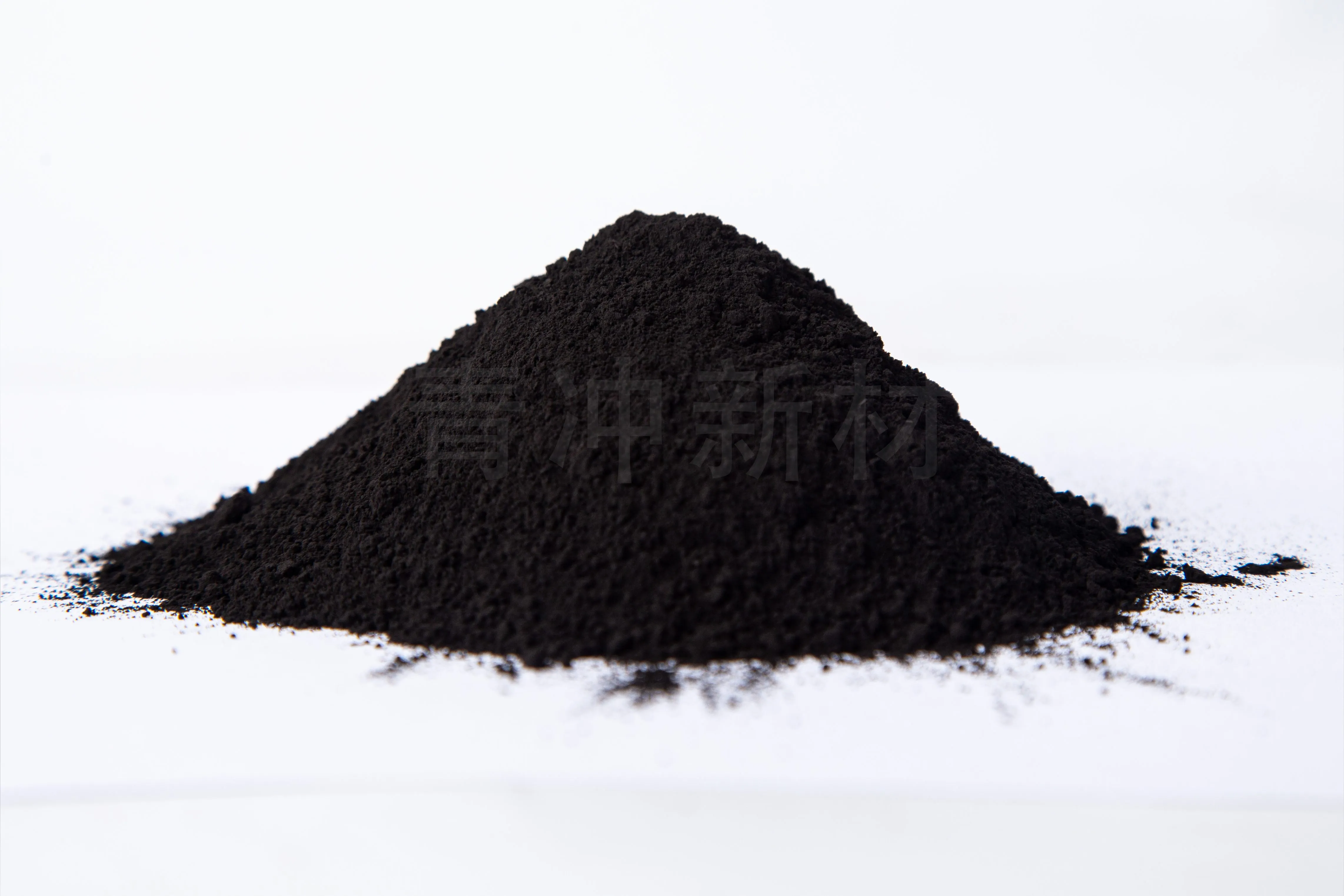
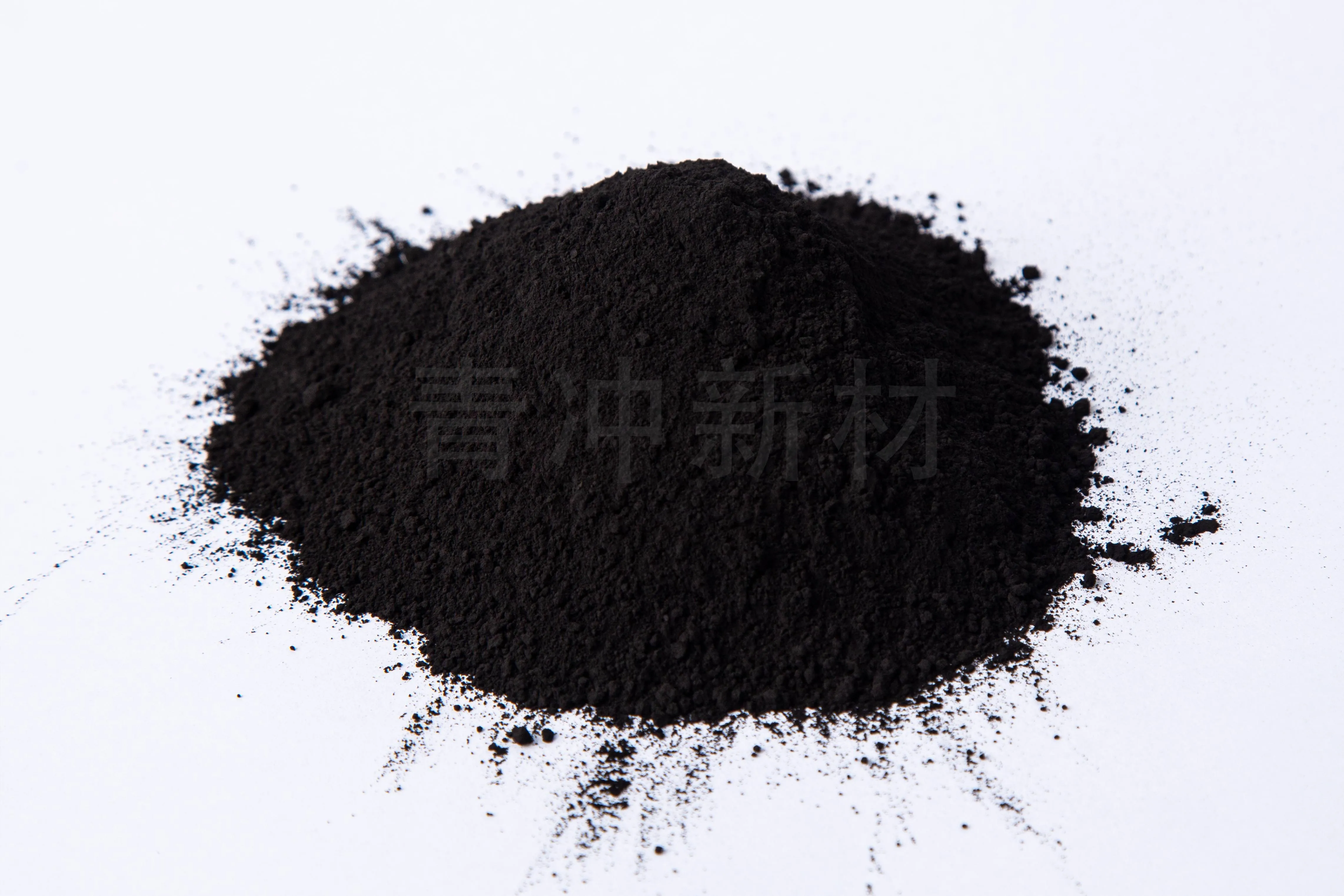
In a typical EMD process, a manganese-containing solution supplies dissolved manganese ions to an electrolytic cell. At the anode, oxidation deposits manganese dioxide as a solid. The deposit is then recovered and prepared for its intended grade. This is a description of the general production principle, not a statement about QingChong New Materials’ equipment or operating conditions. The distinction between the reaction and the saleable material matters. Cell operation forms the deposit, while subsequent recovery and preparation affect the material presented for testing. A buyer reading a process description should therefore ask whether reported results refer to material taken from the cell, an intermediate, or the finished product offered for shipment. The same reasoning applies to sample evaluation: the sample should represent the proposed commercial grade, not merely illustrate that electrolysis can produce manganese dioxide. QingChong’s integrated R&D, production, and sales structure gives buyers a clear starting point for a technical discussion, but the supplied company information does not specify its process flow. Request a grade-specific explanation if confirmation of the actual production route is necessary for your qualification procedure.
Electrolytic Manganese Dioxide (EMD)

Where EMD Fit Depends on the End Use

EMD is commonly associated with battery materials, but a battery application is not a blanket approval for every EMD grade. Cell chemistry, electrode formulation, and the manufacturer’s own qualification tests determine whether a proposed material is suitable. Buyers should evaluate the finished material against their application requirements rather than infer performance from the process label. The same caution applies when a manganese dioxide request is for another industrial use: an electrolytic route may be relevant, irrelevant, or insufficient as a selection criterion. Start with the conditions the material will face and the characteristics your process can tolerate. If moisture, particle behavior, or chemical composition affects handling or performance, define acceptable limits and the methods used to measure them. A supplier result is most useful when its test method can be compared with yours. QingChong identifies itself as a manganese dioxide and compound manufacturer, but the information provided does not specify applications or limits for an EMD grade. Ask for the proposed grade’s documented use and test data, then conduct application-specific validation. If that evidence is unavailable, leave the material’s suitability open rather than treating “EMD” as proof of fit.

Electrolytic Manganese Dioxide (EMD)

Prepare an EMD Inquiry That Can Be Answered Precisely

Send a short technical brief before asking for a product recommendation. State whether “EMD process” means you need electrolytic manganese dioxide as a material, information about a manufacturing route, or both. Identify the intended use and provide your current material specification if one exists. Include the properties you test, the methods you use, and any acceptance limits your team has already approved. If qualification depends on a particular production route, say so explicitly. Ask QingChong New Materials to identify the proposed manganese dioxide grade, confirm whether it is produced by electrolysis, and provide available grade-specific technical documentation. Request clarification wherever a reported value uses a different test method or material basis from your specification. For sample planning, explain how your team will test the material and what result would trigger a larger procurement review; do not assume a sample, packaging option, or supply arrangement is available until confirmed. QingChong’s integrated R&D, production, and sales operations provide a route for discussing both material requirements and commercial questions. Keep those questions tied to the identified grade so that any subsequent comparison is based on the same proposed product.

News

Industry updates

Products

Production modules

Why Choose Us

Why Discuss Manganese Dioxide Requirements with QingChong?

QingChong New Materials brings more than 20 years of manganese chemical industry experience to discussions about manganese dioxide supply. It is based in the Xiangtan Manganese Mine area, a significant Chinese manganese production base, and brings R&D, production, and sales together within the business. That combination is relevant when a buyer needs a technical requirement understood before moving to a commercial discussion. The company also describes a strict quality control system and states that it passed ISO9001:2008 Quality Management System certification in July 2010. That historical certification fact should not be read as proof of a current certificate or of certification for a specific EMD grade; request current documents where your purchasing rules require them. QingChong was certified as a National High-tech Enterprise in September 2019 and reports invention patents obtained in cooperation with local universities. Its 14-language website supports communication with buyers in different markets. None of these company credentials replaces grade data or application testing. They do, however, give buyers a basis for starting a focused inquiry and requesting evidence that the proposed manganese dioxide matches their needs.

FAQ

Common technical questions

Is EMD the same as chemically produced manganese dioxide?

No. EMD identifies an electrolytic production route; chemically produced manganese dioxide refers to a different route. Do not treat either name as a complete performance specification. Compare the proposed grades using the same relevant test methods.

Can I specify EMD for a battery formulation without testing it?

A process designation alone cannot establish fit for a cell design. Request data for the proposed grade and test representative material under your formulation and qualification procedure.

Which figures should I check when comparing two EMD offers?

Use the limits in your own specification, then check how each supplier measures them. Depending on the application, relevant items may include composition, moisture, and particle characteristics. A number without its test method or sample basis can be misleading.

Should I ask QingChong for an EMD grade or an explanation of its process?

Ask for both if the production route is a purchasing requirement. First confirm whether an electrolytic manganese dioxide grade is available; then request its documentation and clarification of the route used for that specific grade.

Need a solution for your project?

Share your product type, target capacity, and application requirements. Our team can review the details and recommend a practical next step.

Contact Us
Whatsapp
WeChat

CONTACT US

Office Address:21/F,Zhonghan Fortune Building,Ji'an Road, Yuetang District,Xiangtan,Hunan,China

Factory Address: Heling Town, Yuhu District, Xiangtan City, Hunan Province, P.R.China

WhatsApp: 8613786275365

Fax: 86-731-52326088

E-mail: [email protected]