productlist

EMD Function: What Battery Buyers Need to Know

EMD function

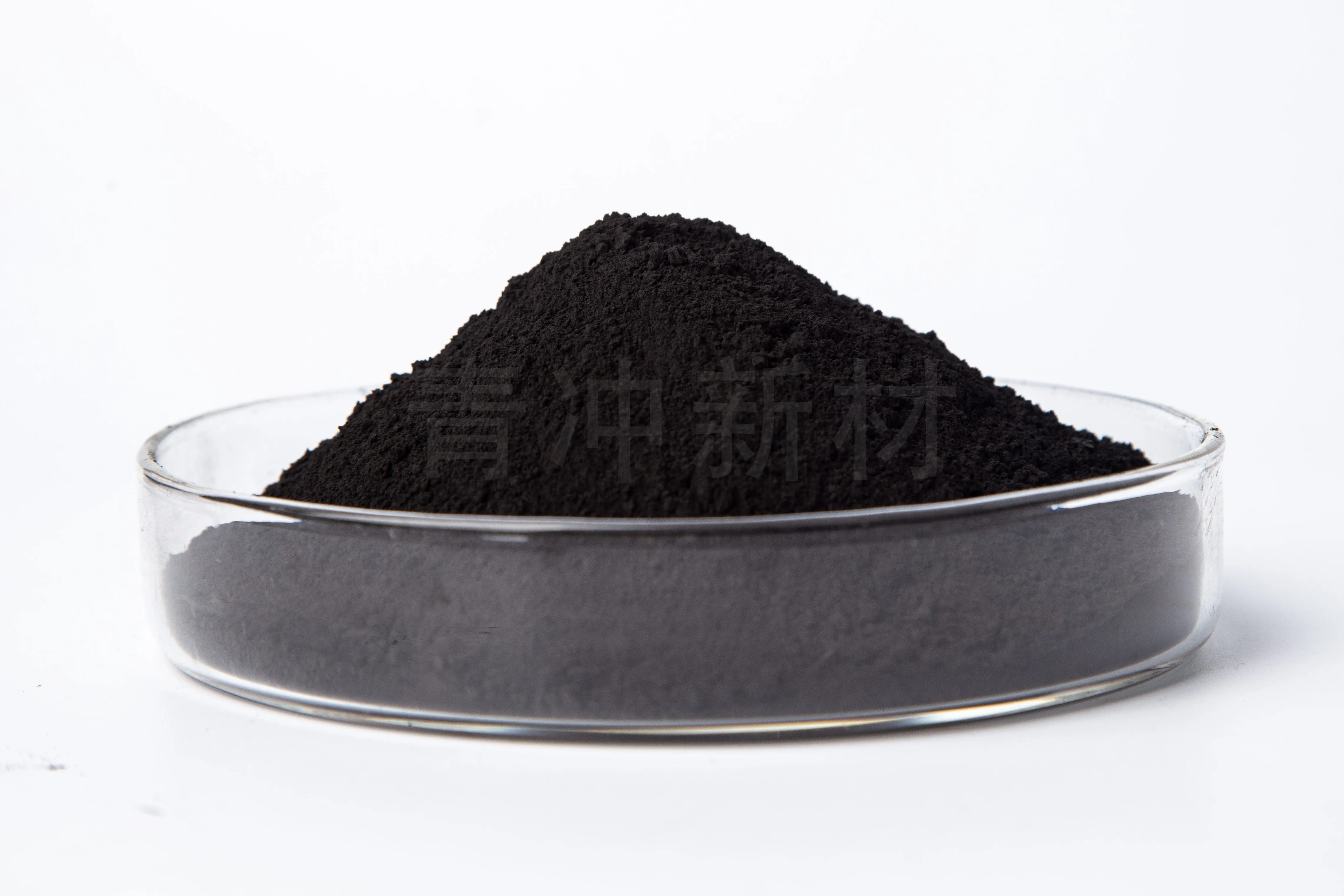
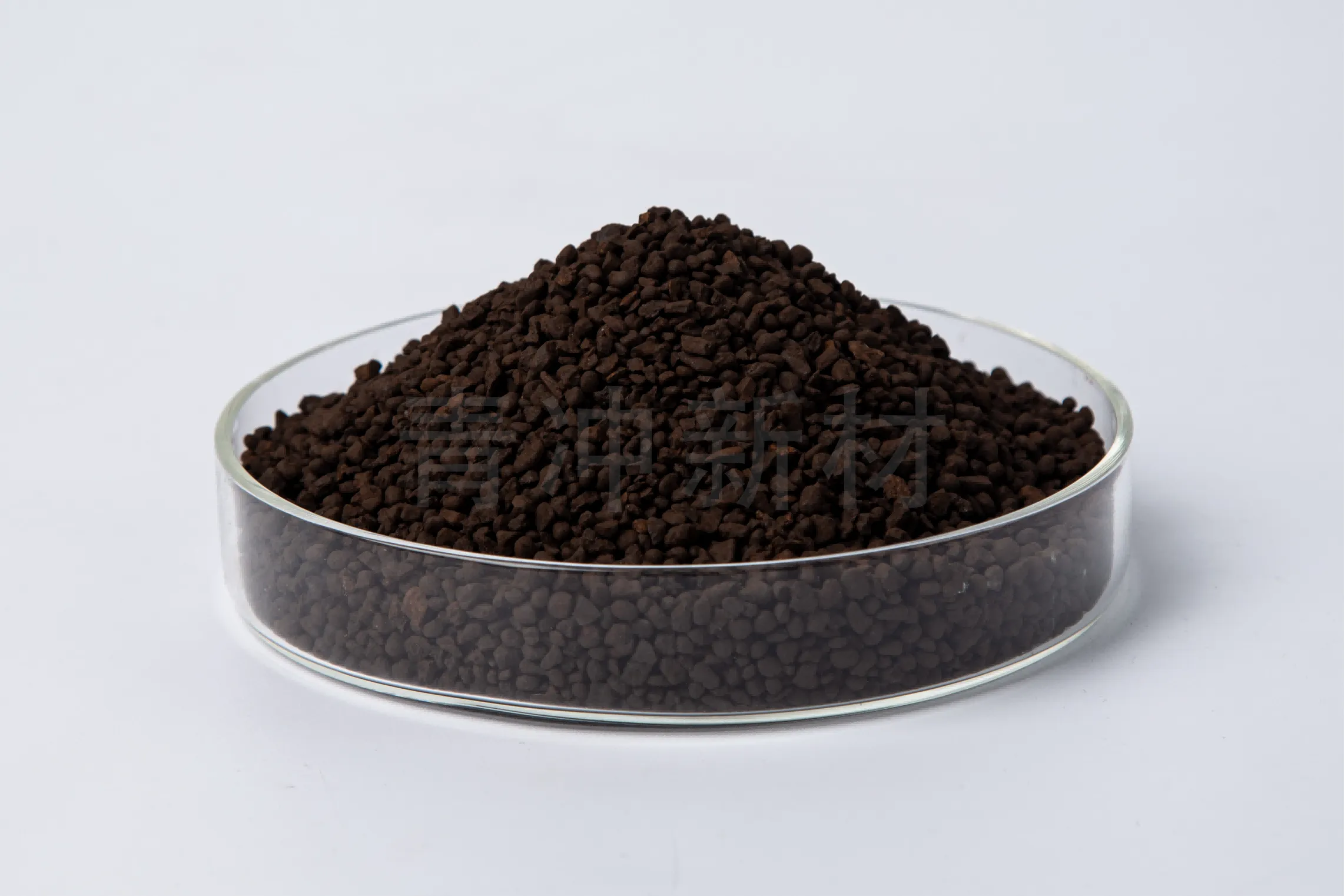
In battery materials, EMD usually means electrolytic manganese dioxide. The term EMD function refers chiefly to its role as a cathode active material: during discharge, manganese dioxide participates in electrochemical reactions that allow the cell to deliver electrical energy. That description is a starting point, not a complete purchasing specification. The behavior of EMD depends on the cell chemistry, electrode formulation, and conditions under which the battery will operate. A buyer developing or sourcing battery materials therefore needs to look beyond the material name. QingChong New Materials is a Chinese manganese chemical manufacturer integrating research and development, production, and sales. Its location in the Xiangtan Manganese Mine area gives buyers a relevant manganese-industry point of contact. The information supplied here, however, does not identify a QingChong EMD grade or establish that EMD is currently available from the company. This page explains the material's commonly understood function and sets out the application details a buyer should confirm before discussing supply or technical fit.

Technical Detail

Configured around process stability, mold life, and long-term uptime.

A useful way to describe EMD is by its contribution to the finished cell rather than by the manufacturing acronym alone. As a cathode active material, electrolytic manganese dioxide takes part in the reactions that occur when a compatible battery discharges. Its effectiveness in a particular design cannot be established from the words EMD function on a product inquiry; the battery chemistry and the rest of the electrode system matter. For procurement teams, this distinction prevents a common misunderstanding: identifying a material category is not the same as approving a grade for production. QingChong New Materials brings more than 20 years of manganese-industry experience and operates across research and development, production, and sales. The company describes a strict quality-control system and an international-facing website available in 14 languages. Those are relevant organizational facts for a buyer arranging technical discussions across markets, but they are not EMD product specifications. No EMD assay, particle-size distribution, moisture limit, packaging format, or battery test result has been provided for this page. Accordingly, none should be assumed. Buyers who use EMD in a qualified formulation should request a current, grade-specific technical data sheet and representative quality documentation before treating a proposed material as an equivalent to an existing source. This keeps the discussion anchored to measurable requirements rather than a general description of what EMD does.

Electrolytic Manganese Dioxide (EMD)

How EMD Participates in Battery Discharge

The letters EMD describe how electrolytic manganese dioxide is produced; they do not, on their own, describe how a battery will perform. In a suitable cell, manganese dioxide is incorporated into the cathode, where it participates in the electrochemical process during discharge. The electrolyte and other electrode materials are part of that process, so the cathode cannot be evaluated in isolation. This explains why a material may be correctly identified as EMD yet still require testing in the buyer's own cell design. The distinction also matters when reading technical literature. A statement about the function of manganese dioxide describes a material role, while a claim about discharge capacity or shelf life concerns a particular formulation and test method. No such grade-specific performance data is available in the supplied QingChong information. QingChong's background as a manganese chemical manufacturer makes a technical conversation relevant, but it does not establish the electrochemical behavior of an unlisted product. Use the functional description to identify the right material category, then rely on documented grade data and cell testing for performance claims.
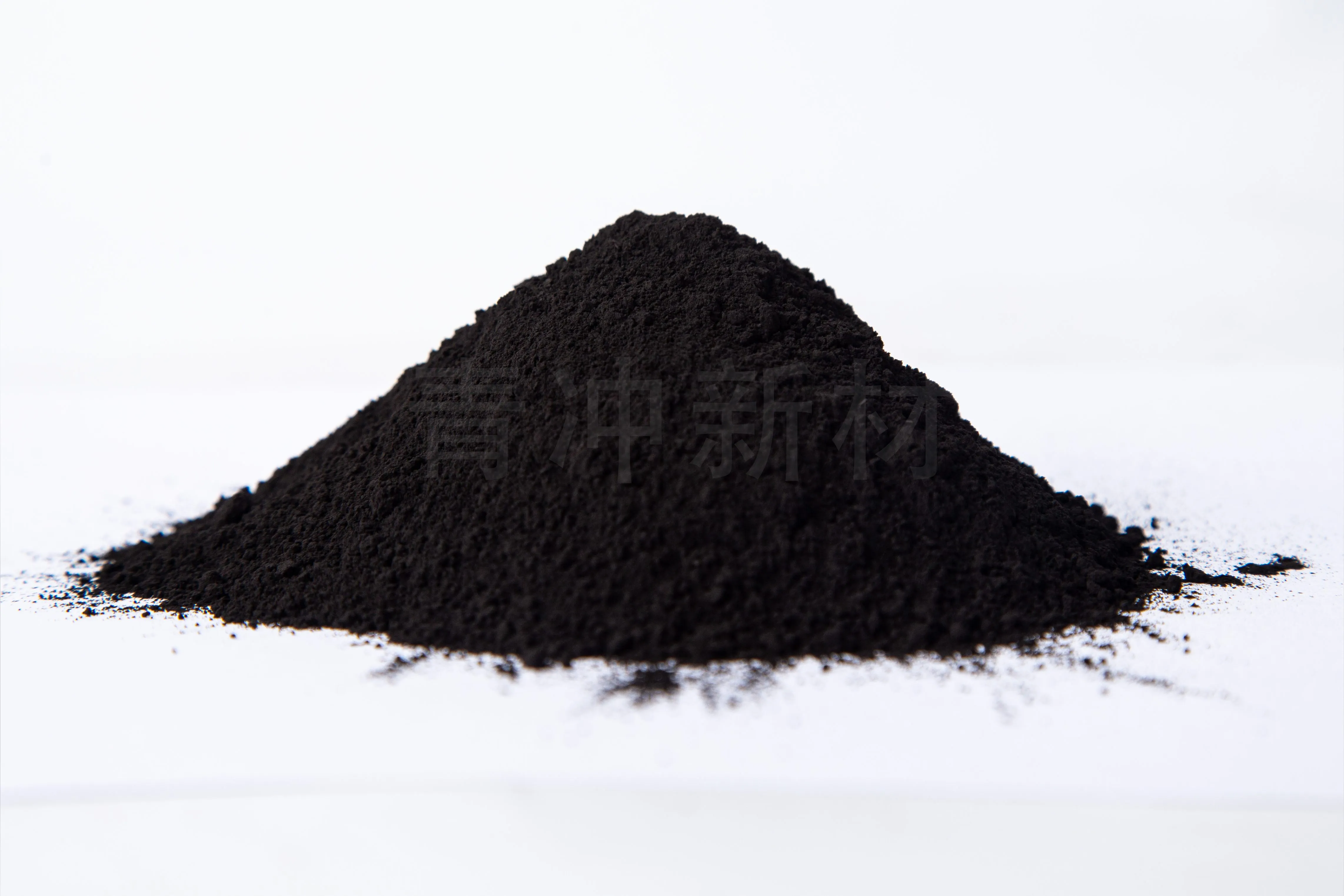
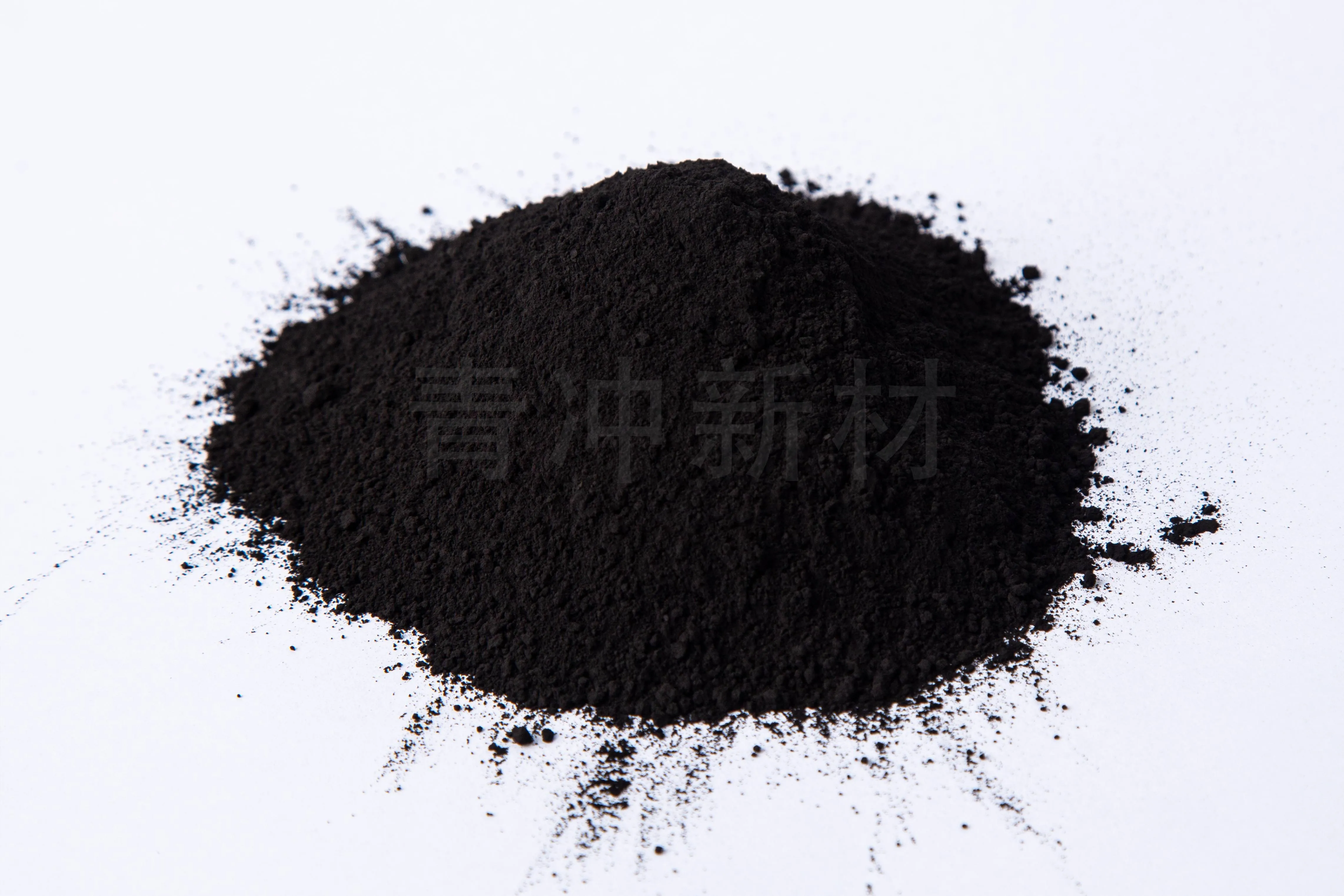
Electrolytic Manganese Dioxide (EMD)

Where Application Conditions Change the Evaluation

The intended cell chemistry is the first boundary for assessing whether an EMD material is relevant. Electrolytic manganese dioxide is associated with battery cathodes, including certain primary battery systems, but a buyer should not assume that one material grade suits every formulation. An electrode designed for one electrolyte or discharge profile may respond differently when its operating conditions change. Temperature range, discharge rate, storage conditions, and electrode processing can all affect what needs to be evaluated. These are assessment factors, not published operating limits for a QingChong product. A practical fit check starts with the existing cell design: identify the chemistry, document the conditions used in qualification, and note which results a replacement material must reproduce. If the project instead concerns a non-battery manganese dioxide application, clarify that at the outset; the meaning of EMD function in battery discussions may not answer the actual process requirement. Because the supplied materials contain no EMD grade sheet, no specific suitability conclusion can be made here. The appropriate judgment depends on matching documented material properties to the buyer's test conditions.

Electrolytic Manganese Dioxide (EMD)

What to Send With an EMD Sourcing Inquiry

A useful inquiry describes the material's intended job in the buyer's process. State the battery chemistry or other application, whether the request concerns a new formulation or replacement of a qualified source, and the properties already controlled in the buyer's specification. If a reference material is in use, provide its technical data sheet or the relevant acceptance criteria. Include the test conditions behind any requested performance target, because a number without a method is difficult to compare. Buyers should also ask whether QingChong New Materials currently offers an EMD grade suitable for that use; the information supplied for this page does not confirm an EMD product offering. If a grade is available, request its current technical data sheet, quality documentation, and details needed for sample evaluation before making a substitution decision. Clarify documentation and packaging requirements during the same exchange, without assuming a particular format is offered. This sequence gives both procurement and technical teams a defined basis for discussion. It also separates an initial material inquiry from formal qualification, which remains the buyer's decision after reviewing documentation and testing the material.

News

Industry updates

Products

Production modules

Why Choose Us

A Manganese-Sector Partner for an Informed EMD Discussion

QingChong New Materials has an established manganese-chemical focus rather than a general materials catalog identity. The company is located in the Xiangtan Manganese Mine area, one of China's important manganese production bases, and reports more than 20 years of industry experience. Its integrated research and development, production, and sales structure provides a relevant setting for discussing a buyer's manganese-material requirements. Quality governance is another consideration: QingChong reports a strict quality-control system and states that it passed ISO9001:2008 quality management system certification in July 2010. That historical certification statement should not be read as confirmation of a current certificate or certification of a particular EMD grade. QingChong was certified as a National High-tech Enterprise in September 2019 and reports invention patents obtained in cooperation with local universities. Its 14-language website and stated global export capabilities may help international buyers begin a technical conversation. None of these company-level credentials replaces product-specific evidence. For an EMD inquiry, the sound next step is to confirm whether an applicable grade is offered and examine its current documentation against the buyer's battery specification.

FAQ

Common technical questions

Is EMD the same as any manganese dioxide powder?

No. EMD means electrolytic manganese dioxide and identifies a production route. A generic manganese dioxide description does not establish that a material is EMD or that two materials are interchangeable in a battery formulation. Compare documented grades and test them under the same conditions.

Can I use the same EMD in different battery chemistries?

Do not assume so. Specify each cell chemistry and its qualification tests, then check the proposed material against those requirements. No QingChong EMD grade or application-specific results were provided for this page.

What should I check if a test cell performs differently after a material change?

Check that the cell build and test conditions match the reference run, then compare the documented properties of the two materials. Record the difference before attributing it solely to EMD; changes elsewhere in the electrode or cell can affect the result.

What should I request before approving a proposed EMD grade?

Ask for a current, grade-specific technical data sheet and relevant quality documentation. Confirm that the supplier offers the proposed grade, then evaluate samples against your own specification and cell tests before approval.

Need a solution for your project?

Share your product type, target capacity, and application requirements. Our team can review the details and recommend a practical next step.

Contact Us
Whatsapp
WeChat

CONTACT US

Office Address:21/F,Zhonghan Fortune Building,Ji'an Road, Yuetang District,Xiangtan,Hunan,China

Factory Address: Heling Town, Yuhu District, Xiangtan City, Hunan Province, P.R.China

WhatsApp: 8613786275365

Fax: 86-731-52326088

E-mail: [email protected]