productlist

EMD for Triple-A Batteries: Check Material Fit

EMD for triple-A batteries

For a triple-A battery, the electrode material has to suit the cell’s chemistry, construction, and intended discharge conditions. EMD, or electrolytic manganese dioxide, is used as a cathode material in some battery chemistries, but the keyword alone does not identify a specific grade or confirm compatibility with a particular AAA design. QingChong New Materials is a Chinese manganese chemical manufacturer integrating research and development, production, and sales. Its location in Xiangtan, a major manganese production base known as the “Manganese Capital of China,” gives the company a focused manganese-industry context. This page helps battery makers frame the suitability question: what material information should be checked, which operating conditions matter, and what details to provide when requesting technical review. Since no product grade specifications have been provided here, final suitability should be established against the battery manufacturer’s formulation and test requirements rather than inferred from the EMD name alone.

Technical Detail

Configured around process stability, mold life, and long-term uptime.

QingChong New Materials is a high-tech manganese chemical manufacturer serving global markets through integrated R&D, production, and sales. The company has more than 20 years of industry experience and operates from Xiangtan, one of China’s important manganese production bases. For buyers evaluating EMD for triple-A batteries, these details provide supplier context, but they do not replace the grade-level data needed to assess a battery formulation. No EMD product specification, purity value, particle-size range, or electrochemical performance figure has been supplied for this page, so none should be assumed. QingChong reports a strict quality control system and holds ISO 9001:2008 Quality Management System Certification, passed in July 2010. It was certified as a National High-tech Enterprise in September 2019 and listed on the Hunan Equity Exchange Center in December 2020 under equity code 600362HN. The company also reports multiple invention patents obtained in cooperation with local universities. These facts describe its organizational and quality background; they are not a claim that a particular EMD grade meets an AAA battery specification. Before material approval, buyers should request current technical documents and compare the offered grade with their own formulation, incoming-material controls, and cell-validation criteria.

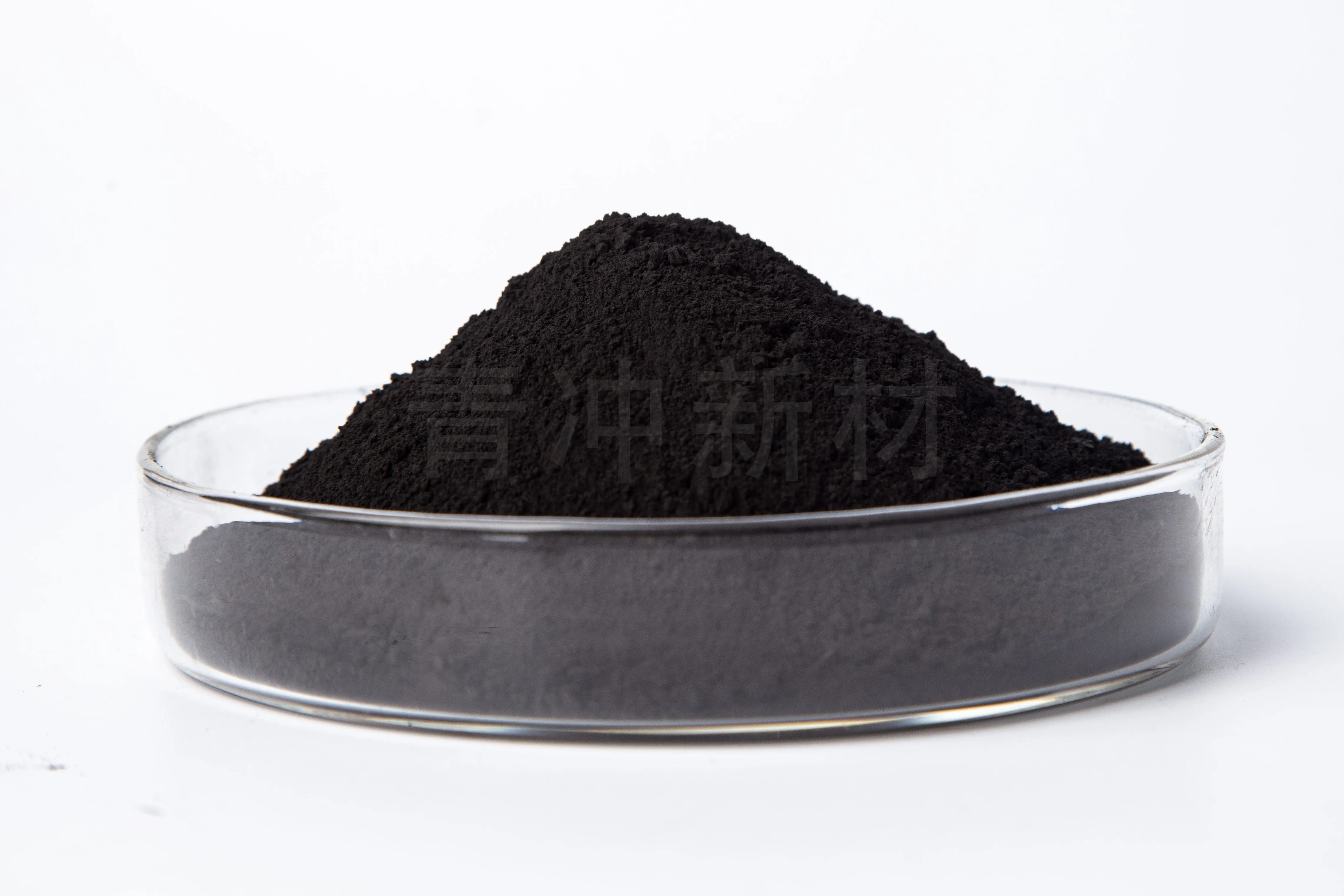
Electrolytic Manganese Dioxide (EMD)

How EMD Fits into an AAA Cell

In an alkaline zinc-manganese dioxide cell, manganese dioxide serves as the cathode’s active material, while zinc acts as the anode; the cell’s electrolyte and construction also influence performance. Electrolytic manganese dioxide is one material form used in battery production, but “EMD” by itself does not define the grade’s suitability for a triple-A cell. Manufacturers may set requirements for chemical composition, physical properties, processing behavior, and electrochemical performance according to their own electrode design. These requirements are assessed as a group, not through a single label or a generic claim of battery use. QingChong New Materials identifies its business as manganese chemical manufacturing with integrated R&D, production, and sales, but no specific EMD grade data is available in the supplied product information. A buyer therefore needs to establish whether the material being discussed is intended for the relevant battery chemistry and process. Treat the grade name as a starting point for technical review, then verify the actual test methods, specification limits, and documentation that apply to the supplier’s offered material.
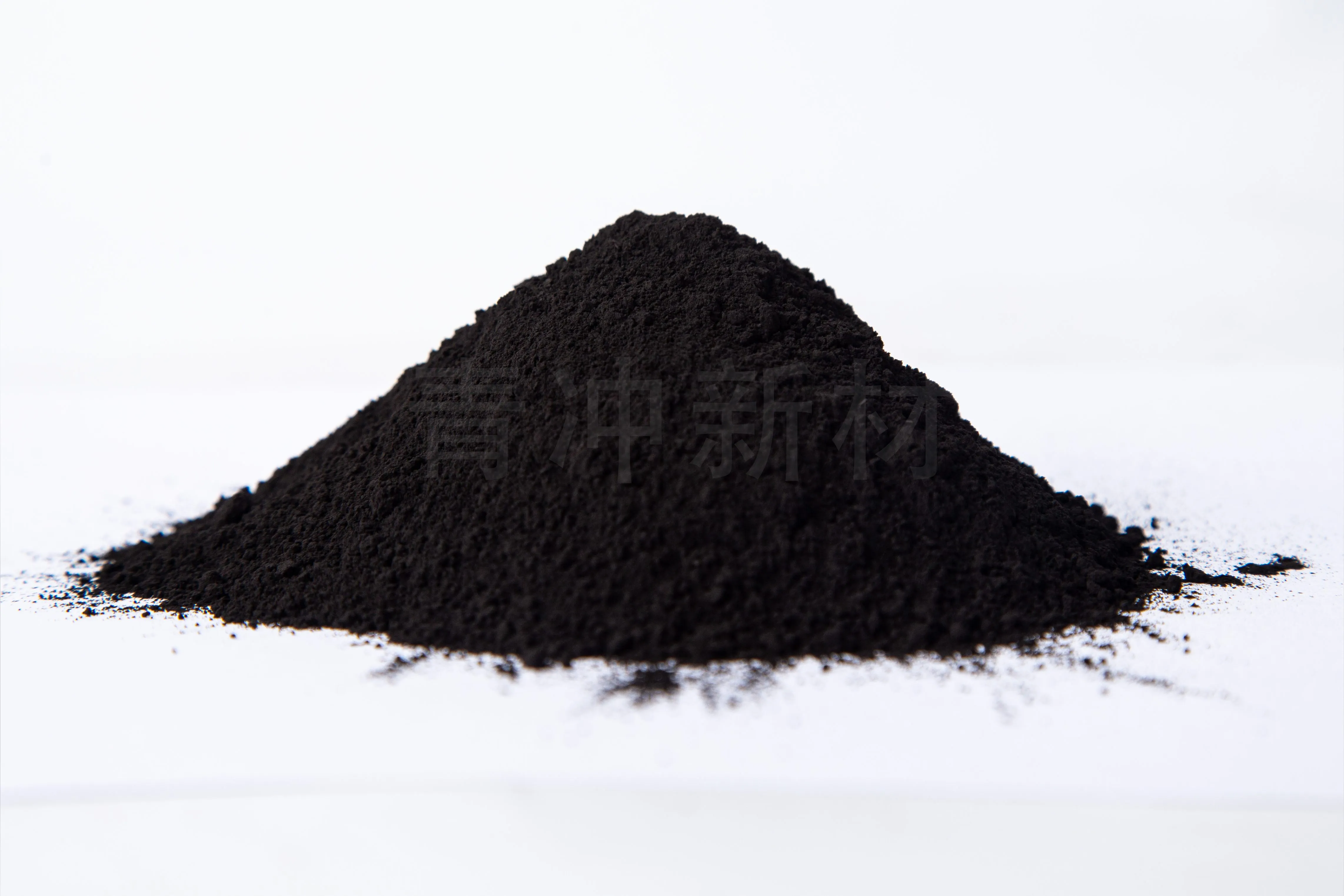
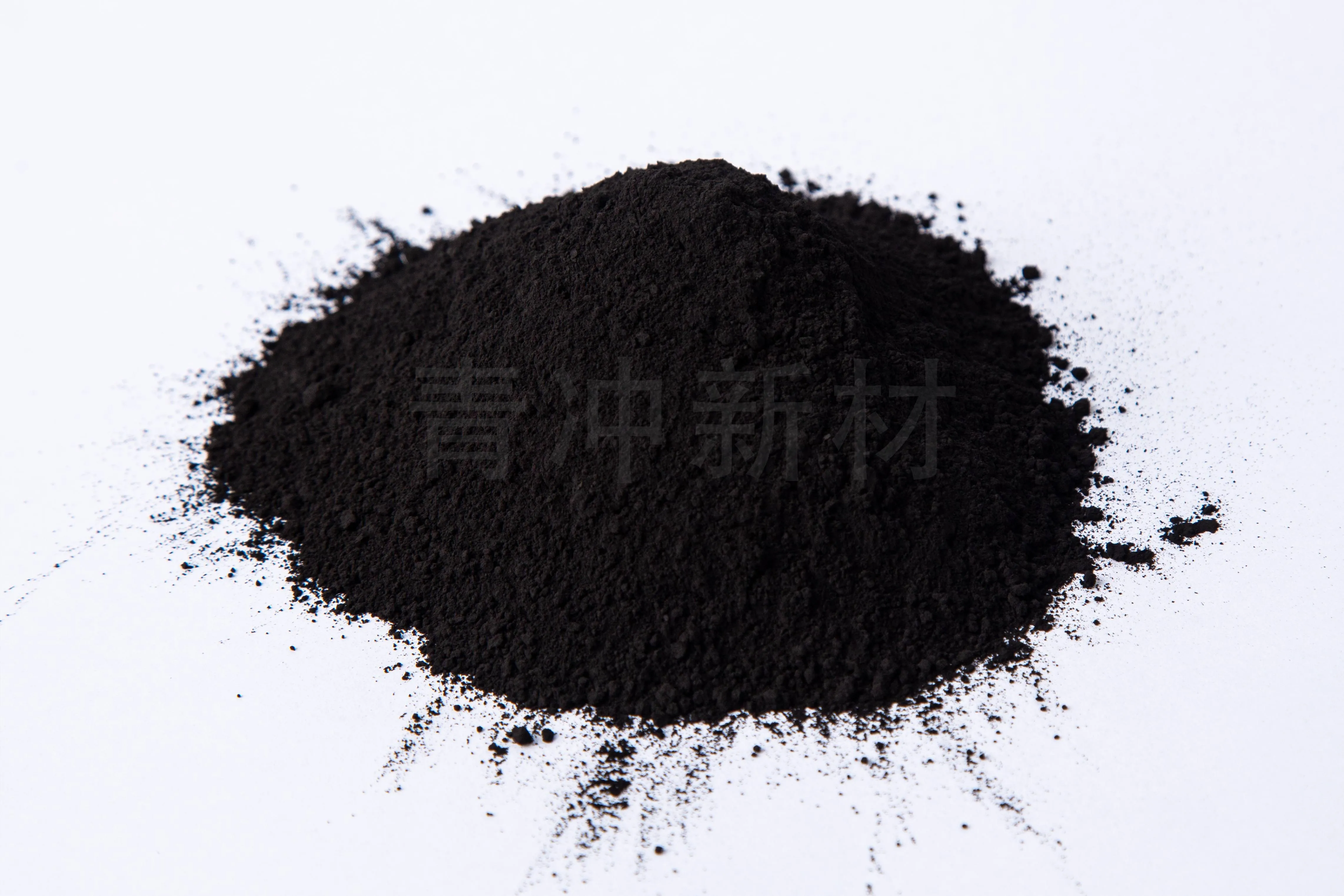
Electrolytic Manganese Dioxide (EMD)

Match the Material to the Cell’s Workload

AAA describes a cell size, not its chemistry or discharge profile. A battery intended for intermittent use in a remote control can face different operating demands from one designed for sustained current draw in a flashlight or other device. Temperature range, storage expectations, electrode formulation, and cell construction can also affect whether a proposed EMD grade is appropriate. To assess fit, compare the material supplier’s documented specifications with the battery maker’s process limits and finished-cell test criteria. If a grade is selected based only on the words “battery grade” or “EMD,” a mismatch may lead to processing difficulties, inconsistent cell results, or failure to meet the battery maker’s own performance targets. Those outcomes cannot be attributed to any particular QingChong material without grade-specific evidence. QingChong’s location in Xiangtan connects its operations to an established manganese production region, but source geography does not establish electrochemical performance. Ask for the data relevant to the intended chemistry and workload, and validate candidate material in the actual formulation before approving it for production.

Electrolytic Manganese Dioxide (EMD)

What to Include in an EMD Inquiry

A useful inquiry lets the supplier assess the intended application without guessing at the battery design. State that the target is a triple-A cell and identify its chemistry, such as alkaline, if confirmed. Describe the intended discharge profile and operating-temperature range, and note any known electrode-processing constraints. Include the material specification or acceptance limits your team uses, along with the test methods and documentation required for qualification. If you already have a candidate grade or sample history, provide those details so the technical discussion can focus on differences that matter to your process. Ask the supplier to identify the exact offered grade and provide its current technical data and available quality documents; do not assume the company’s general certifications substitute for product-specific evidence. QingChong New Materials integrates R&D, production, and sales, which provides a direct organizational context for technical and commercial inquiries, but no specific response time or sample arrangement has been stated. Keep qualification separate from procurement approval until your team has reviewed the documents and confirmed performance in its own cell tests.

News

Industry updates

Products

Production modules

Why Choose Us

A Manganese-Focused Supplier with Documented Quality Credentials

QingChong New Materials focuses on manganese chemicals and combines R&D, production, and sales within one company. Its more than 20 years of industry experience and location in Xiangtan, a major Chinese manganese production base, give the business a clear connection to the manganese sector. The company reports a strict quality control system and ISO 9001:2008 certification, passed in July 2010. It was also certified as a National High-tech Enterprise in September 2019 and reports multiple invention patents developed in cooperation with local universities. These credentials can help buyers understand the supplier’s quality and technical background, but they do not independently confirm that an unspecified EMD grade meets a particular triple-A battery specification. QingChong’s multilingual website supports communication with international markets, while technical qualification should still be based on current grade documentation and the buyer’s own testing criteria. The company’s stated principles, “Quality is the foundation of an enterprise's survival” and “Integrity is the foundation of an enterprise's development,” frame its approach to quality and business conduct without replacing product-level verification.

FAQ

Common technical questions

Does EMD for triple-A batteries mean the material will work in any AAA cell?

No. AAA is a size designation, and cells can differ in chemistry, formulation, and discharge requirements. Confirm the target chemistry and compare the offered EMD grade’s current specifications with your own acceptance criteria.

What EMD properties should our technical team compare first?

Use the limits in your battery specification as the reference. Request the supplier’s current grade data, test methods, and quality documents, then compare the documented properties that your formulation and process control require. No grade-specific values were provided here.

Can we approve an EMD grade from its certificate or supplier credentials alone?

Supplier credentials provide company-level context, not proof of performance in your cell. Review product-specific documents and qualify the material through your normal incoming checks and cell testing before production approval.

What application details should we send when asking about EMD?

Identify the cell chemistry, intended discharge profile, operating-temperature range, and any electrode-processing constraints you can share. Include your specification limits and test methods so the supplier can respond against defined requirements.

Need a solution for your project?

Share your product type, target capacity, and application requirements. Our team can review the details and recommend a practical next step.

Contact Us
Whatsapp
WeChat

CONTACT US

Office Address:21/F,Zhonghan Fortune Building,Ji'an Road, Yuetang District,Xiangtan,Hunan,China

Factory Address: Heling Town, Yuhu District, Xiangtan City, Hunan Province, P.R.China

WhatsApp: 8613786275365

Fax: 86-731-52326088

E-mail: [email protected]