 EN
EN
 CN
CN
 fr
fr es
es ar
ar ru
ru de
de pt
pt tr
tr vi
vi it
it ja
ja ko
ko hi
hi
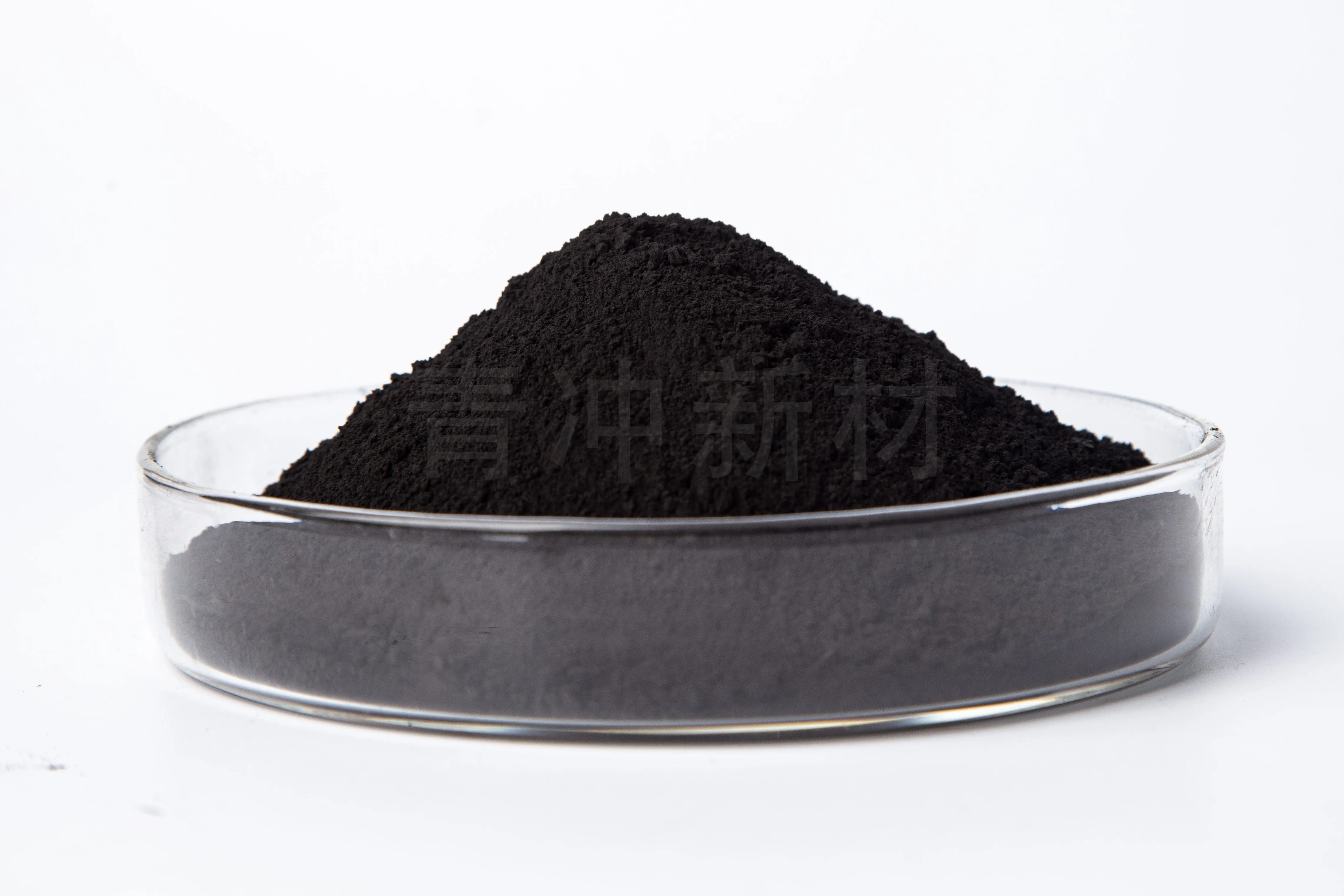
What EMD material test figures actually describe
EMD is produced by electrochemical deposition of manganese dioxide. That production route explains the term electrolytic, but it does not define a single set of properties for every batch or supplier. Specifications are needed to describe the material actually being offered. MnO2 content and selected impurity results describe chemical composition. Moisture indicates water present under the stated test conditions. Particle-size distribution describes how much material falls within measured size ranges; it is more informative than a single size figure when a process depends on powder handling. Bulk density, where relevant, describes how the powder occupies a given volume under a defined measurement procedure. An application may also require performance tests that cannot be inferred from a composition figure alone. These are examples of parameters a buyer may need to discuss, not published QingChong EMD values. Units matter: a percentage, a parts-per-million result and a particle-size measurement answer different questions. So do test conditions. Before interpreting a figure, identify whether it is a specification limit, a typical value or a result from a particular lot. Without that distinction, a number can appear precise while providing little basis for material approval.