
 EN
 CN
 fr
 es
 ar
 ru
 de
 pt
 tr
 vi
 it
 ja
 ko
 hi
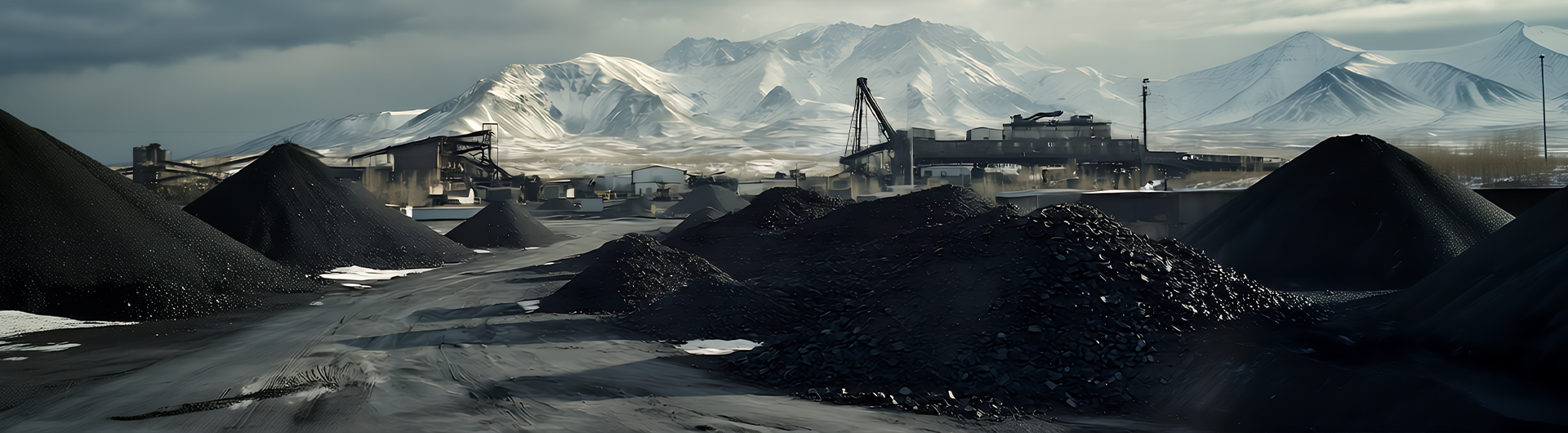

catalyst activated carbon and manganese dioxide
Aside from being a chemical precursor, catalyst activated carbon and manganese dioxide offers a manageable platform for the production of manganese compounds with distinctive oxidation states. Controlling reaction parameters like temperature, pH, and calcination atmosphere gives the producers materials with the desired reactivity. catalyst activated carbon and manganese dioxide adaptability opens up new avenues for its use in the production of catalysts, pigments, and electronic devices. The chemical engineers are capable of changing the manner and characteristics of the material by manipulating its crystal structure and surface area. Its characteristic and resistance to change in different processing conditions make catalyst activated carbon and manganese dioxide a go-to material for industries requiring high chemical performance and the ability to turn the manufacture of high-value manganese derivatives for advanced industrial applications with predictable transformation.
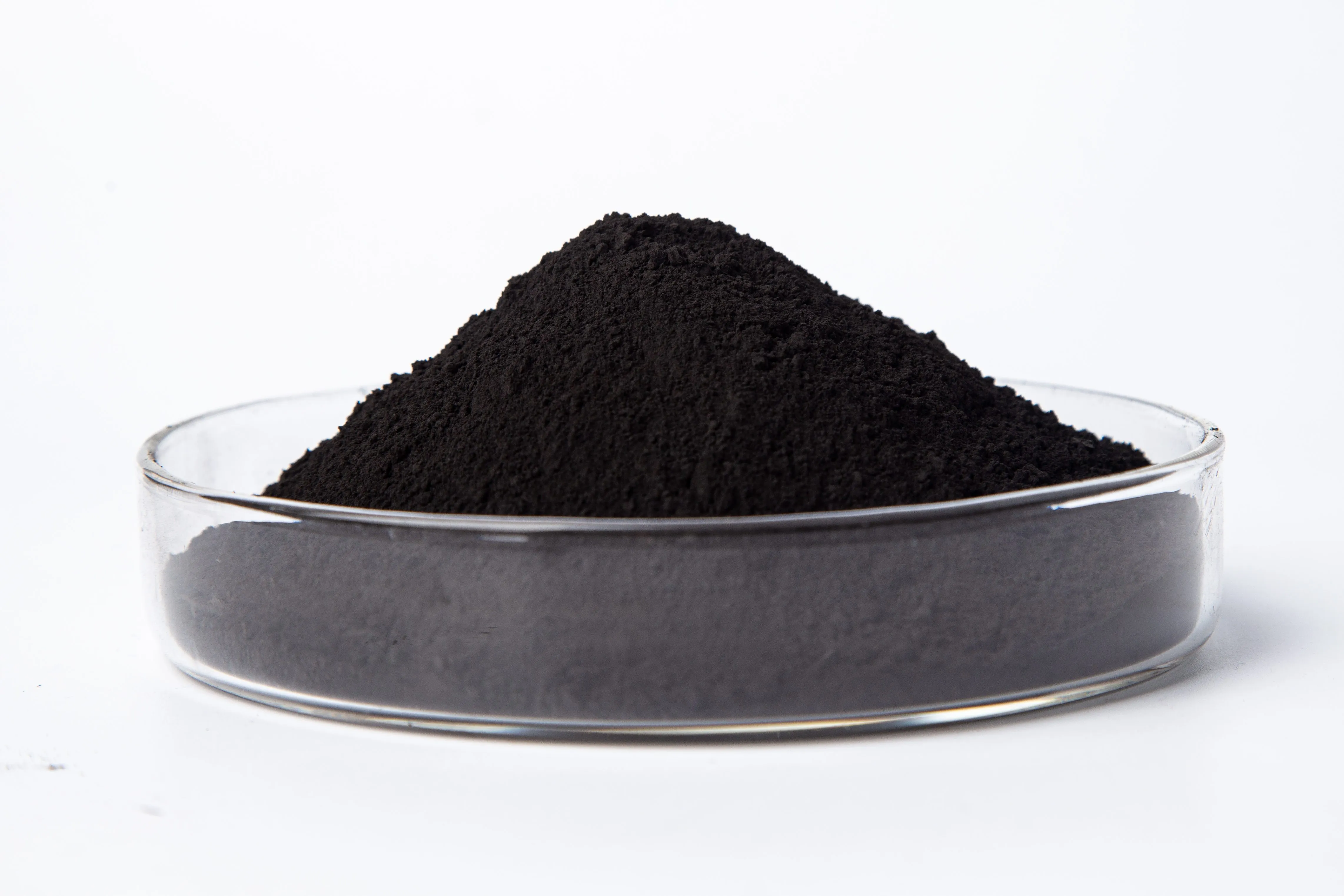
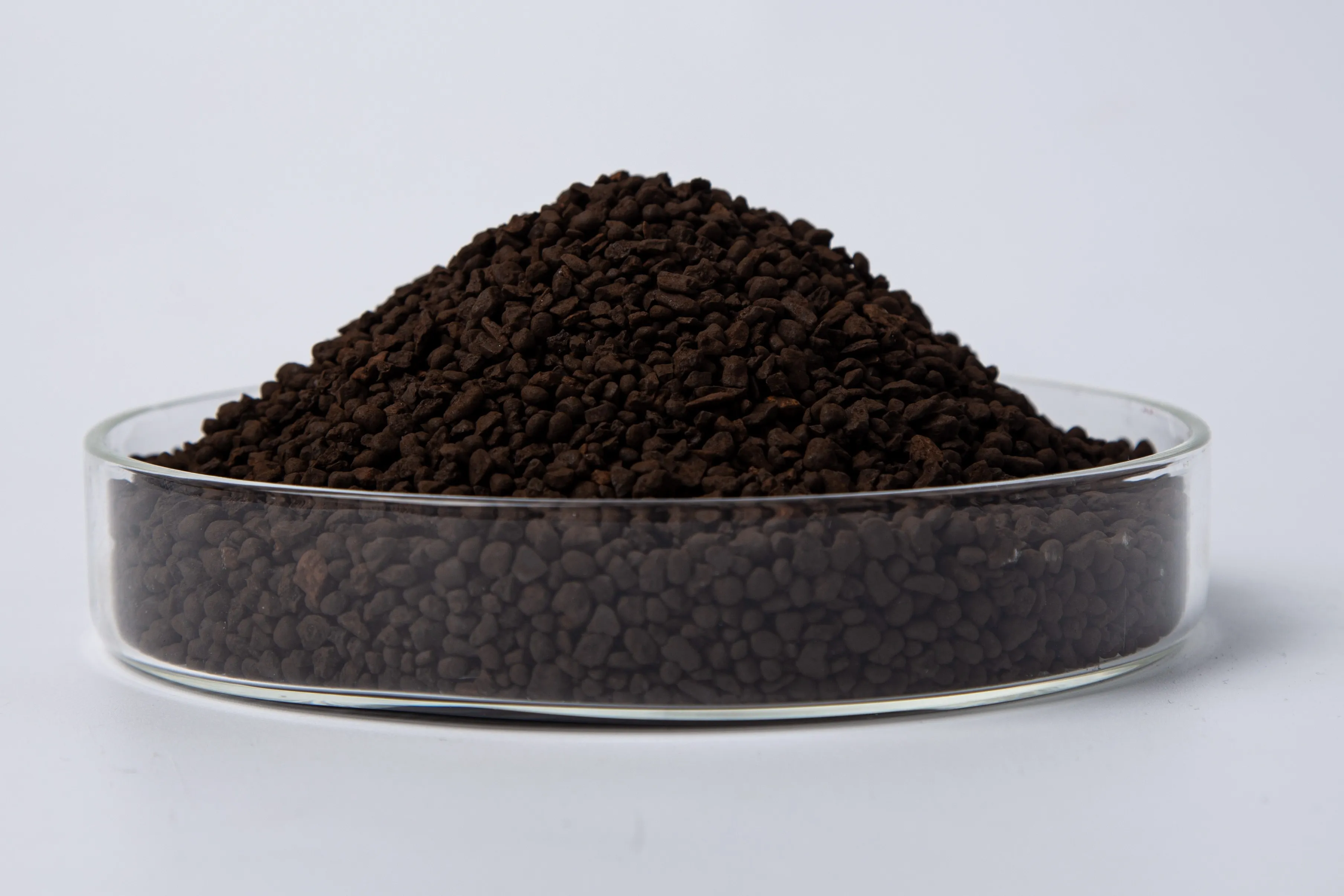
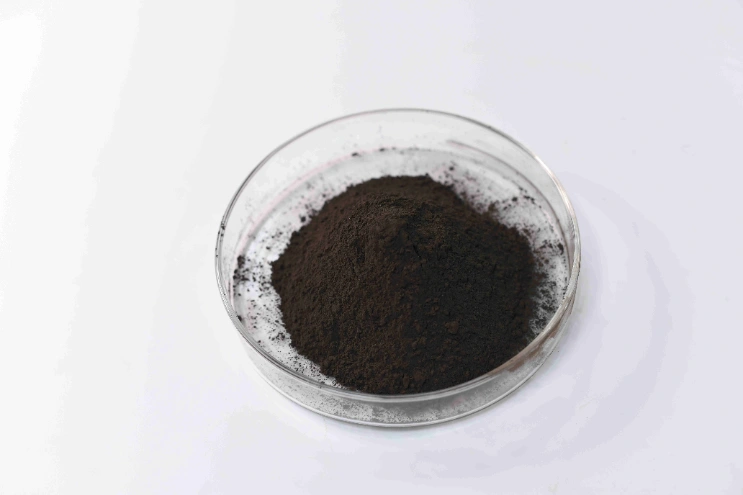
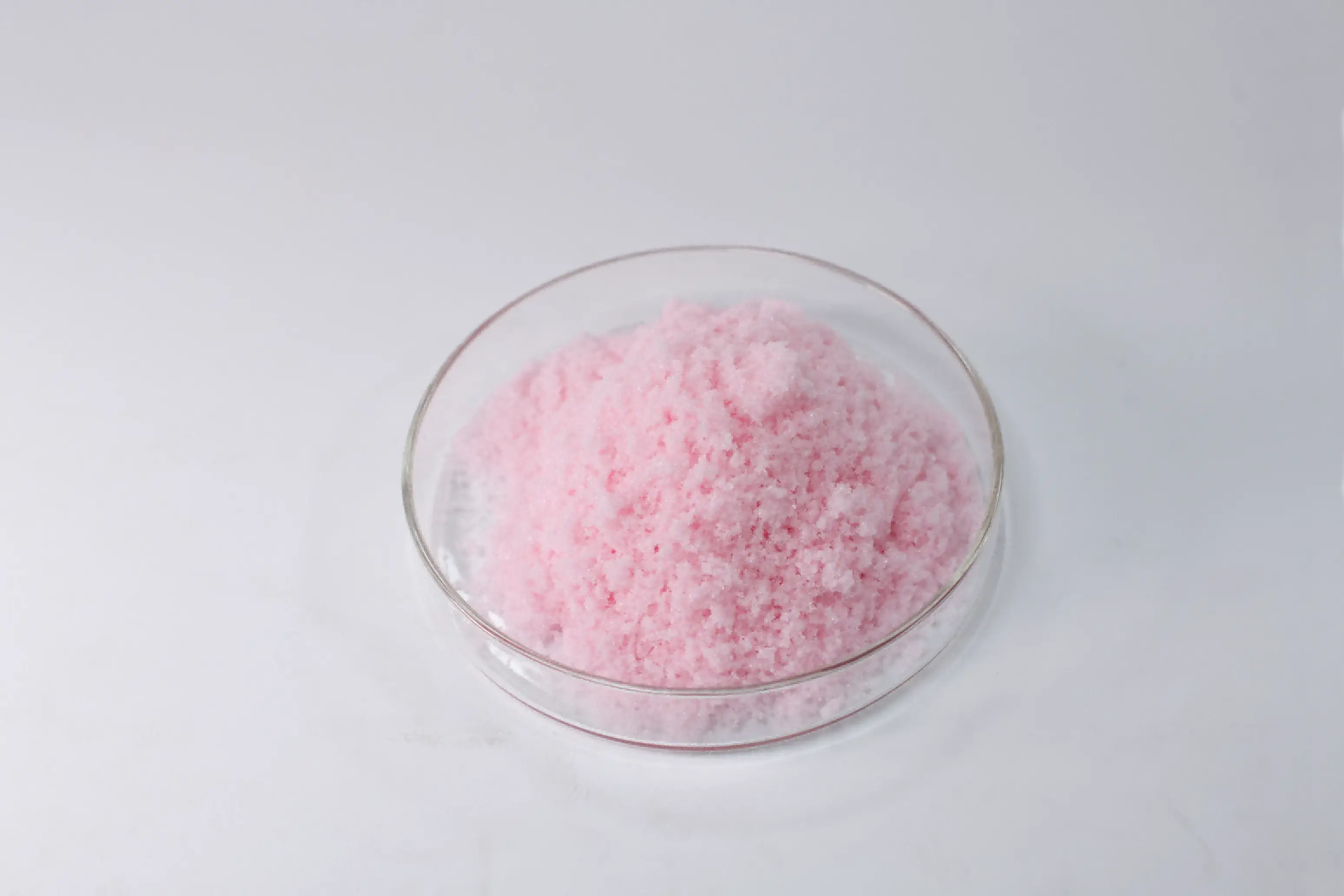
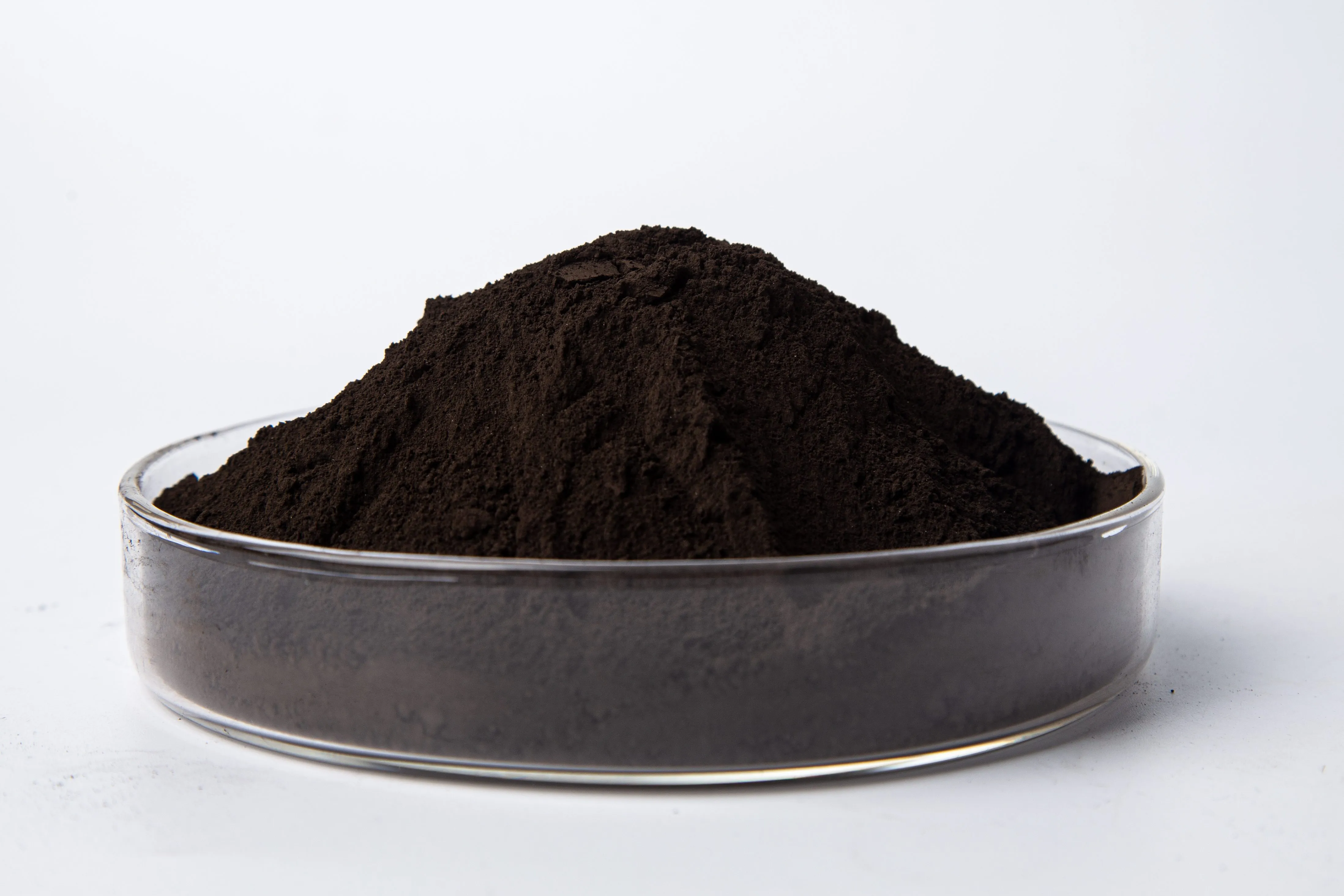
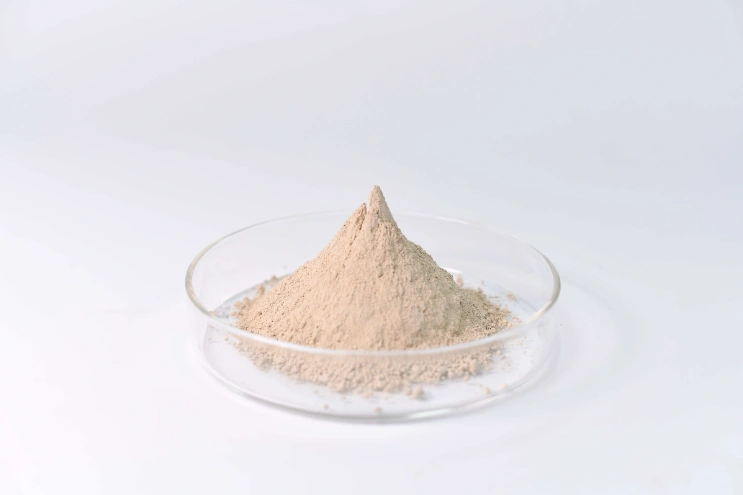
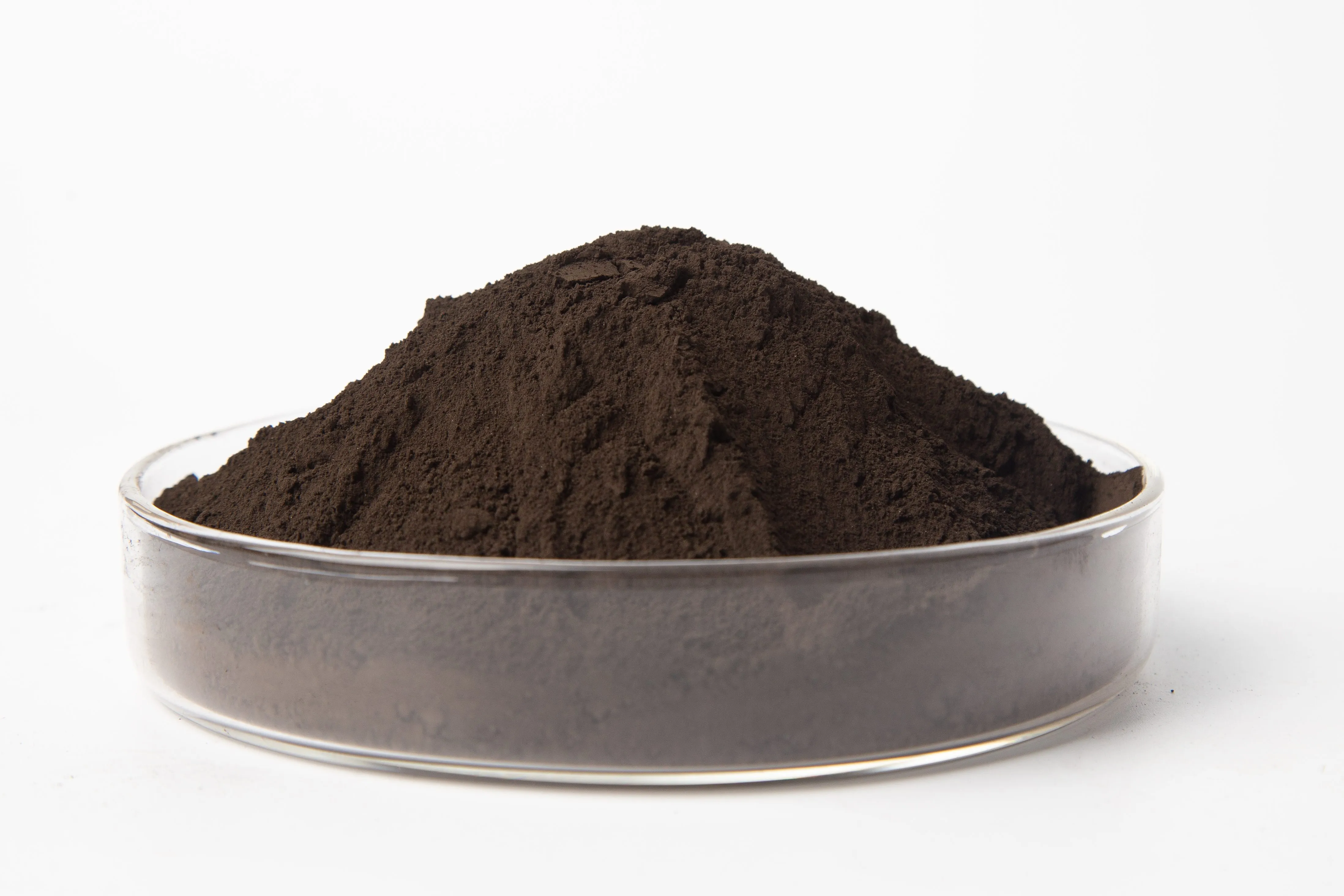
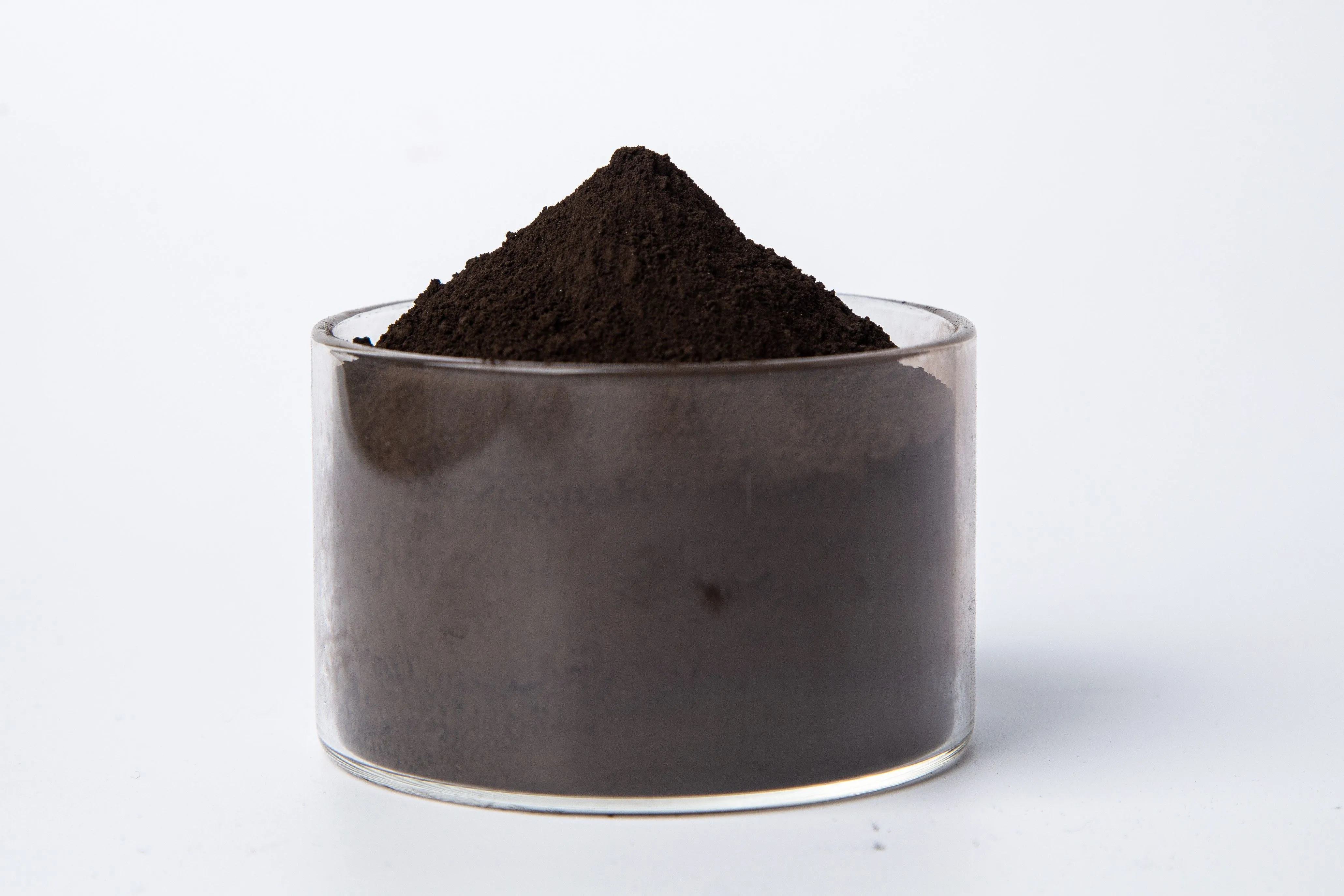
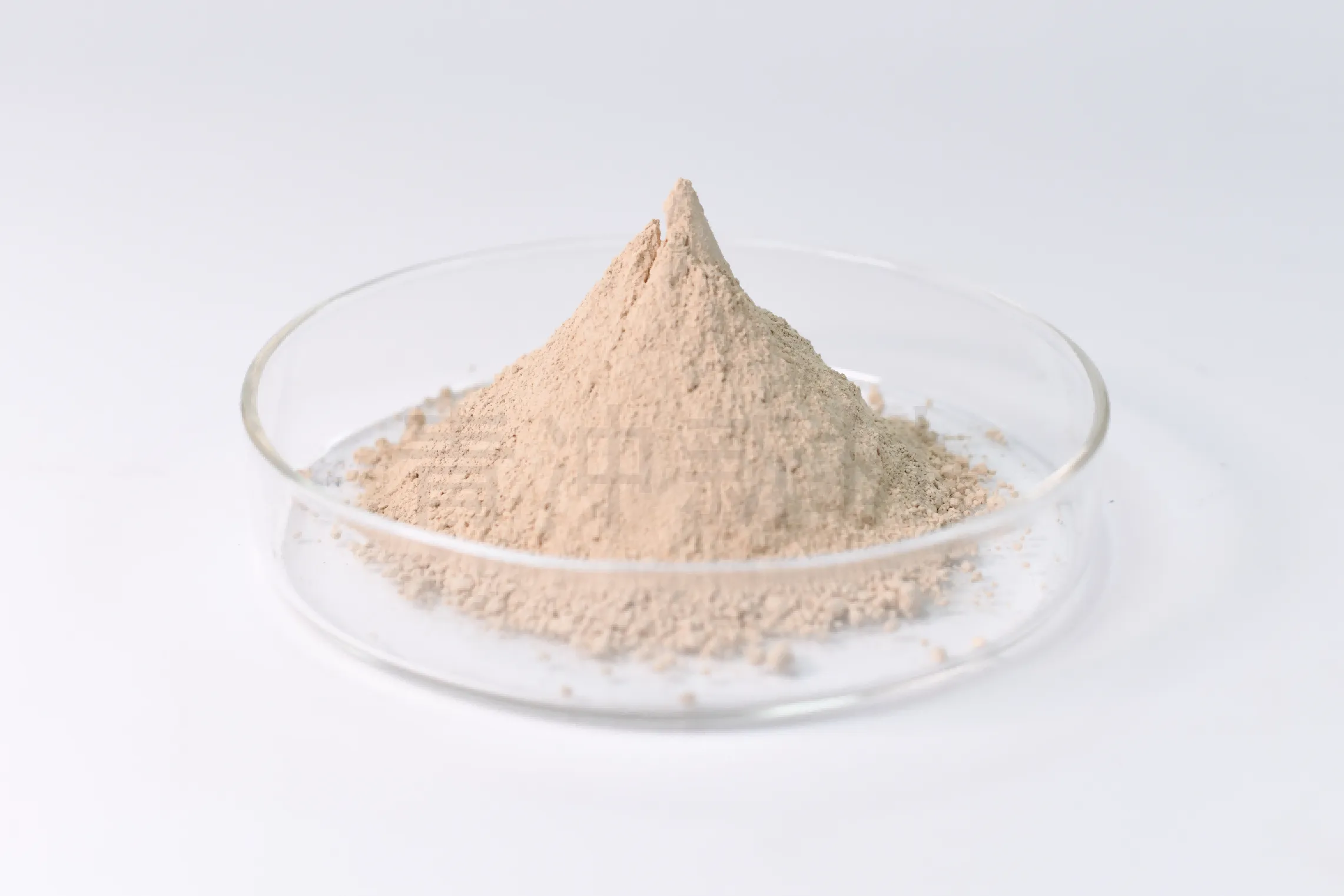
Application of catalyst activated carbon and manganese dioxide
The use of catalyst activated carbon and manganese dioxide is prevalent in high-temperature sintering procedures owing to its ability to influence the densification of the material and the growth of the grains. The carefully supervised chemical activity of the compound enhances the melting of the powdered ceramics and metals, which then translates into the obtaining of their mechanical properties. Precise structural alignment, less porosity, and uniform thermal conductivity are some of the areas where industries are making use of the material to their advantage. In the case of advanced composites, catalyst activated carbon and manganese dioxide is a factor that guarantees both the bonding between the layers and the stability of the material. Besides, the predictability of its interaction with the other additives is a plus when it comes to the reliability of the performance of high-performance components, which include precision instruments and industrial machines, where accuracy and durability are critical. catalyst activated carbon and manganese dioxide is a material that manufacturers count on to enhance the processing and the material integrity in the most advanced production applications.
The future of catalyst activated carbon and manganese dioxide
Advanced energy storage systems are the ones that will be at the front line of catalyst activated carbon and manganese dioxide development. The current trends in battery technology have made it clear that catalyst activated carbon and manganese dioxide will be at the very core of the high-capacity, long-life cathodes. It is the innovations in particle engineering and synthesis techniques that could improve the conductivity of ions, thus allowing the time for charging to be shorter and the energy density to be higher. Consequently, integration into next-generation solid-state batteries, hybrid systems, and renewable energy storage platforms could secure the position of catalyst activated carbon and manganese dioxide as an indispensable resource in eco-friendly power solutions, thereby facilitating the transition to greener energy and more efficient, high-performance storage technologies in the decades to come.
Care & Maintenance of catalyst activated carbon and manganese dioxide
Periodic maintenance of catalyst activated carbon and manganese dioxide highlights the importance of its physical uniformity. The alteration of texture over time through vibration or long storage might lead to the coalescing of particles, which in turn could affect dispersion during application. Periodic gentle agitation or controlled reconditioning methods help to maintain free-flowing characteristics of the material. Cleaning of the handling equipment used for catalyst activated carbon and manganese dioxide should be done regularly to avoid the buildup of residues that could compromise purity. Keeping transfer systems like hoppers and conveyors clean guarantees that the quality of batches remains the same. These maintenance practices contribute to the reliability of material behavior that allows the integration of catalyst activated carbon and manganese dioxide into the production process without performance variations due to unexpected reasons.
QingChong catalyst activated carbon and manganese dioxide
In the manufacturing of ceramics and glass, catalyst activated carbon and manganese dioxide plays the role of a flux and coloring agent. It assists in the melting process to be more even, thus texturing, surface quality, and optical properties are improved. The substance also increases the thermal stability of glass and alters the refractive indices in specialty glass formulations. Manufacturers have control over the color and transparency by varying the concentrations and processing conditions. catalyst activated carbon and manganese dioxide is in contact with other additives and affects the crystallization and microstructure of the ceramic products. Thanks to its high purity and predictable behavior, there are fewer defects, which in turn improves the yield. The applications of catalyst activated carbon and manganese dioxide are very diverse, as they cover from technical ceramics to decorative glass applications, hence reflecting its multifaceted role. The material's stability, versatility, and consistent performance make it a precious component of the advanced ceramics and glass industries.
FAQ
Q: How is Manganese Carbonate typically stored before use? A: It is ensured that the material stays in perfect condition by storing it in sealed containers, under dry and stable conditions. Q: Does Manganese Carbonate have good shelf stability? A: If the conditions are right, it will be able to keep its quality through the whole period of storage. Q: Can Manganese Carbonate be used in composite material production? A: Yes, it plays a role in the enhancement of both structural and functional properties of composites. Q: What factors influence the performance of Manganese Carbonate? A: The factors that affect the performance are the material’s purity, the particle size, the processing conditions, and the handling methods. Q: Is Manganese Carbonate suitable for continuous production lines? A: The physical properties that are always consistent make it suitable for the long-term processing of the industry, that is, the continuous processing of the industry.
Reviews
Isabella Anderson
Manganese Chloride has been essential for our chemical synthesis operations. The uniformity and stability of each batch allow precise dosing and reproducible results, improving overall operational efficiency.
Christopher Moore
Discharge Manganese Powder shows outstanding electrochemical properties and consistent particle morphology. Integration into electrode production has become seamless, and batch reproducibility has increased production reliability.
Latest Inquiries
To protect the privacy of our buyers, only public service email domains like Gmail, Yahoo, and MSN will be displayed. Additionally, only a limited portion of the inquiry content will be shown.
Charlotte****@gmail.comIndia
Hi, we are looking for Discharge Manganese Powder for electrode production. Kindly provide technical...
Liam****@gmail.comJapan
Dear Supplier, we require Manganese Chloride for chemical synthesis. Please send product specificati...
Related product categories
- activated manganese dioxide in Japan
- activated manganese dioxide in South Korea
- activated manganese dioxide in Turkey
- activated manganese dioxide in Brazil
- activated manganese dioxide in Russia
- activated manganese dioxide in Saudi Arabia
- activated manganese dioxide in Indonesia
- activated manganese dioxide in Vietnam
- activated manganese dioxide in Philippines
- activated manganese dioxide in Spain
- activated manganese dioxide in Malaysia
- active manganese dioxide in United States