
 EN
 CN
 fr
 es
 ar
 ru
 de
 pt
 tr
 vi
 it
 ja
 ko
 hi


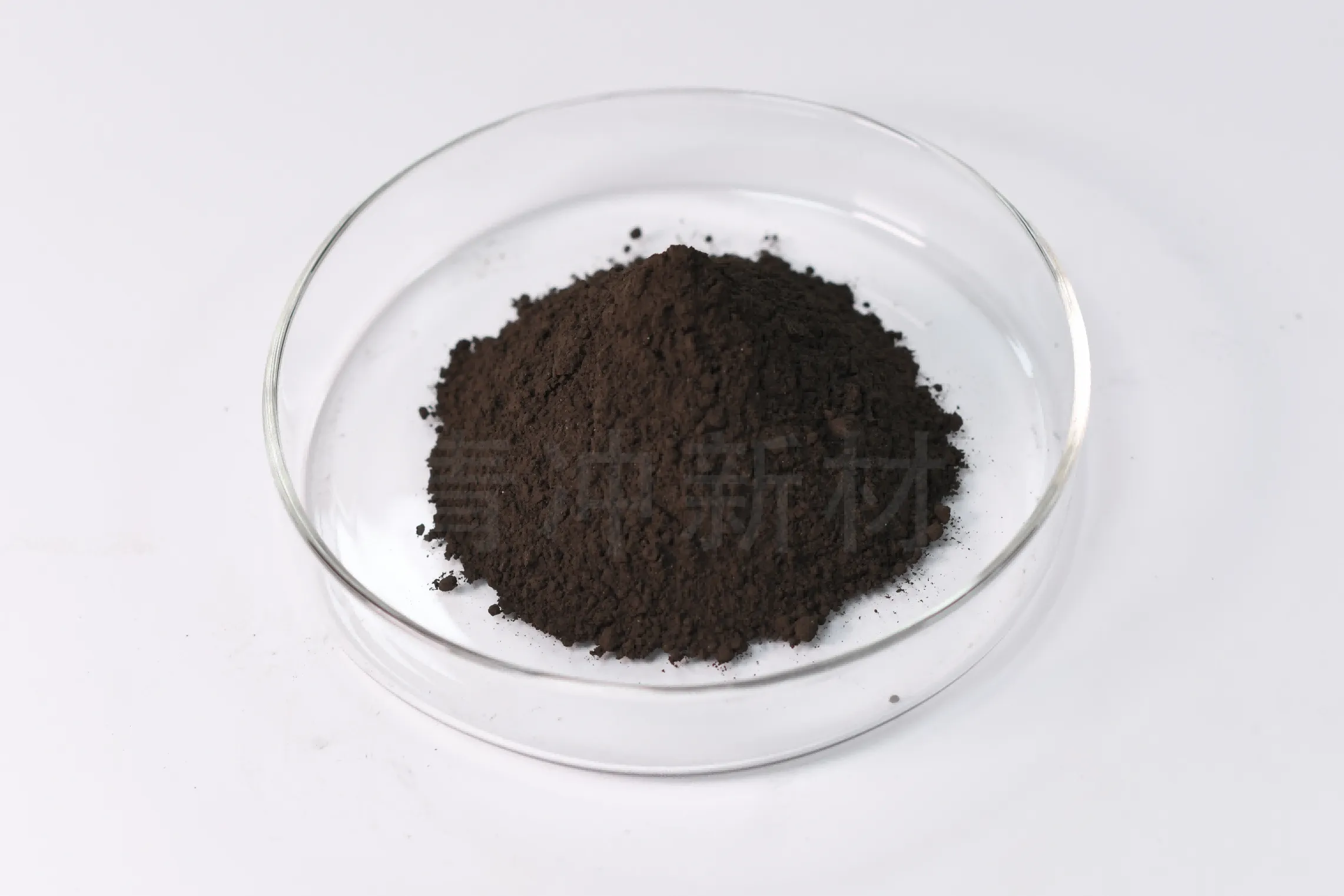
Pigment manganese oxide production
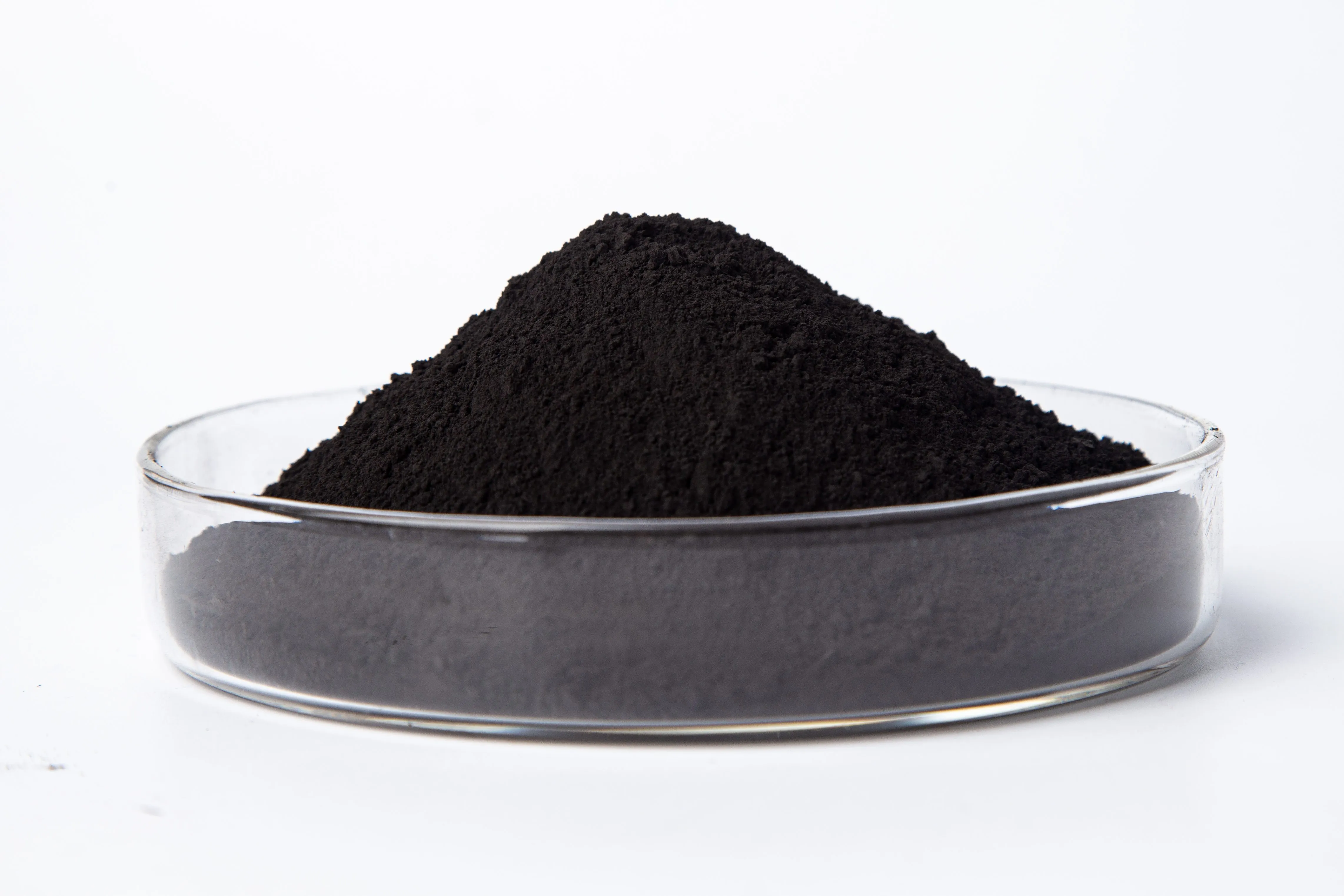
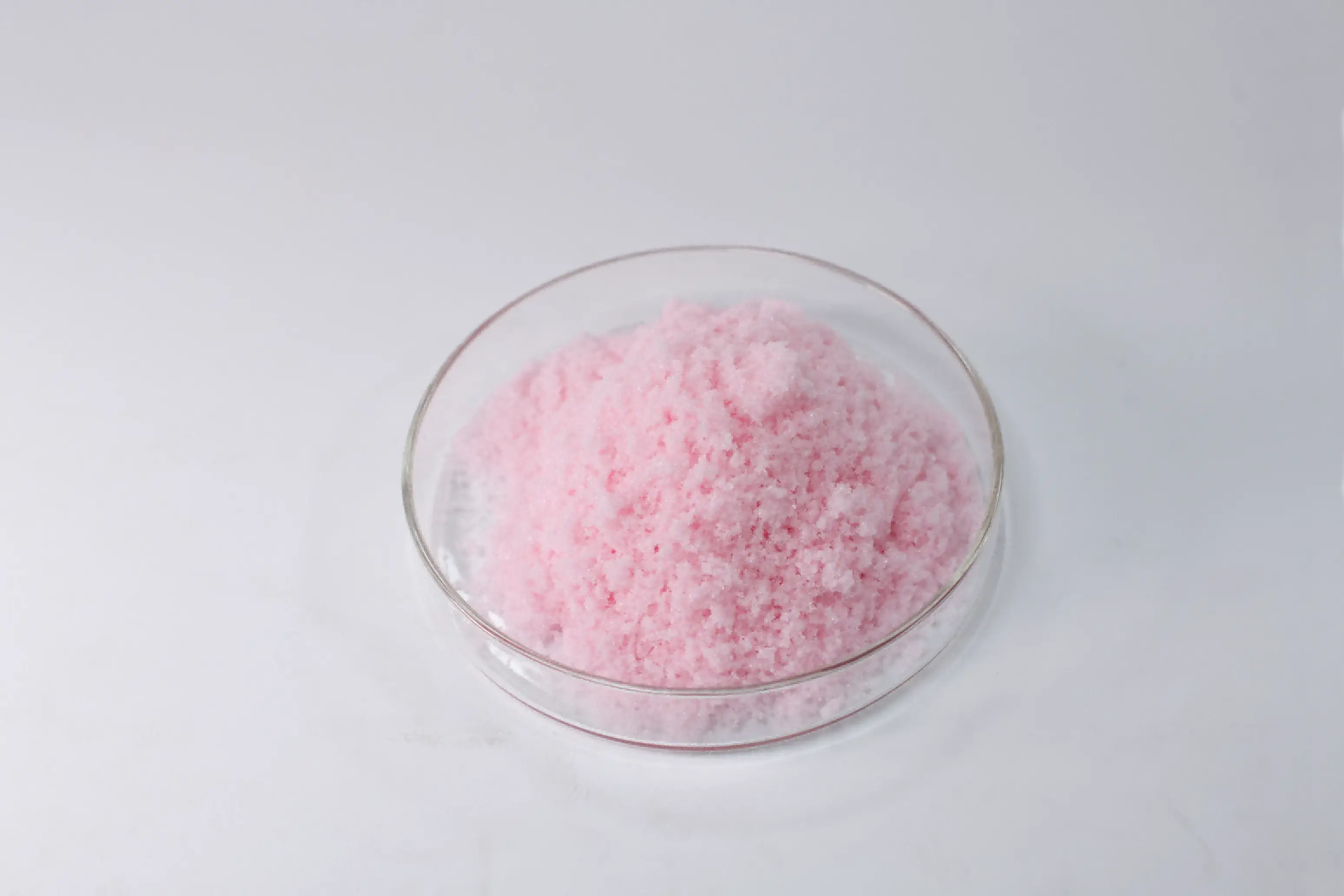
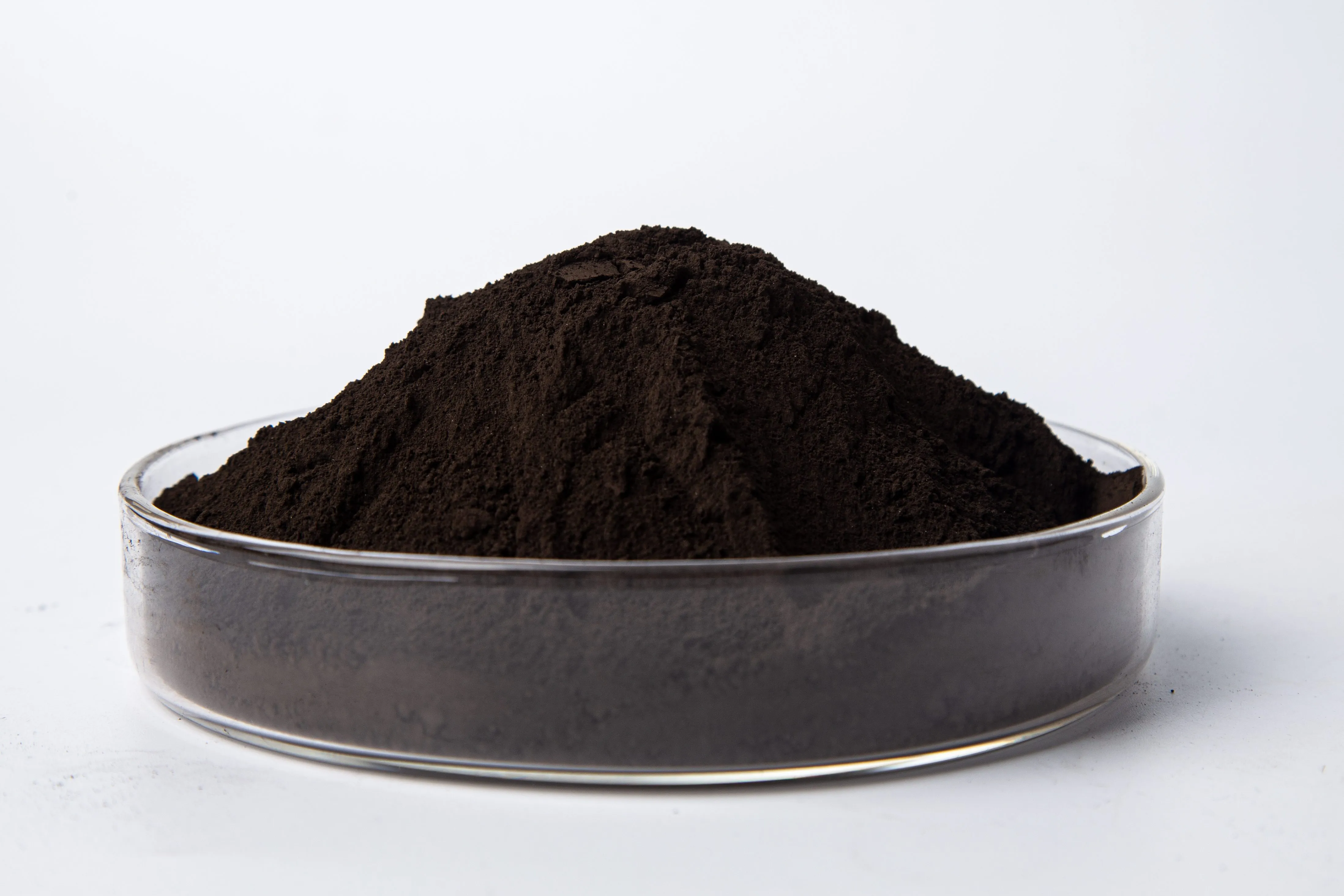
The Pigment manganese oxide production performance is determined by controlled particle size, uniform distribution, and chemical stability. It assimilates to industrial processes smoothly, keeping up with the same performance level in chemical, metallurgical, and surface treatment applications. The powder gives manufacturers the chance to optimize material usage, keep batch consistency, and even get dependable process outcomes all thanks to predictable and reproducible behavior. Pigment manganese oxide production is a versatile and important industrial component that is able to approve scalable workflows and also to increase operational efficiency in almost any production environment.
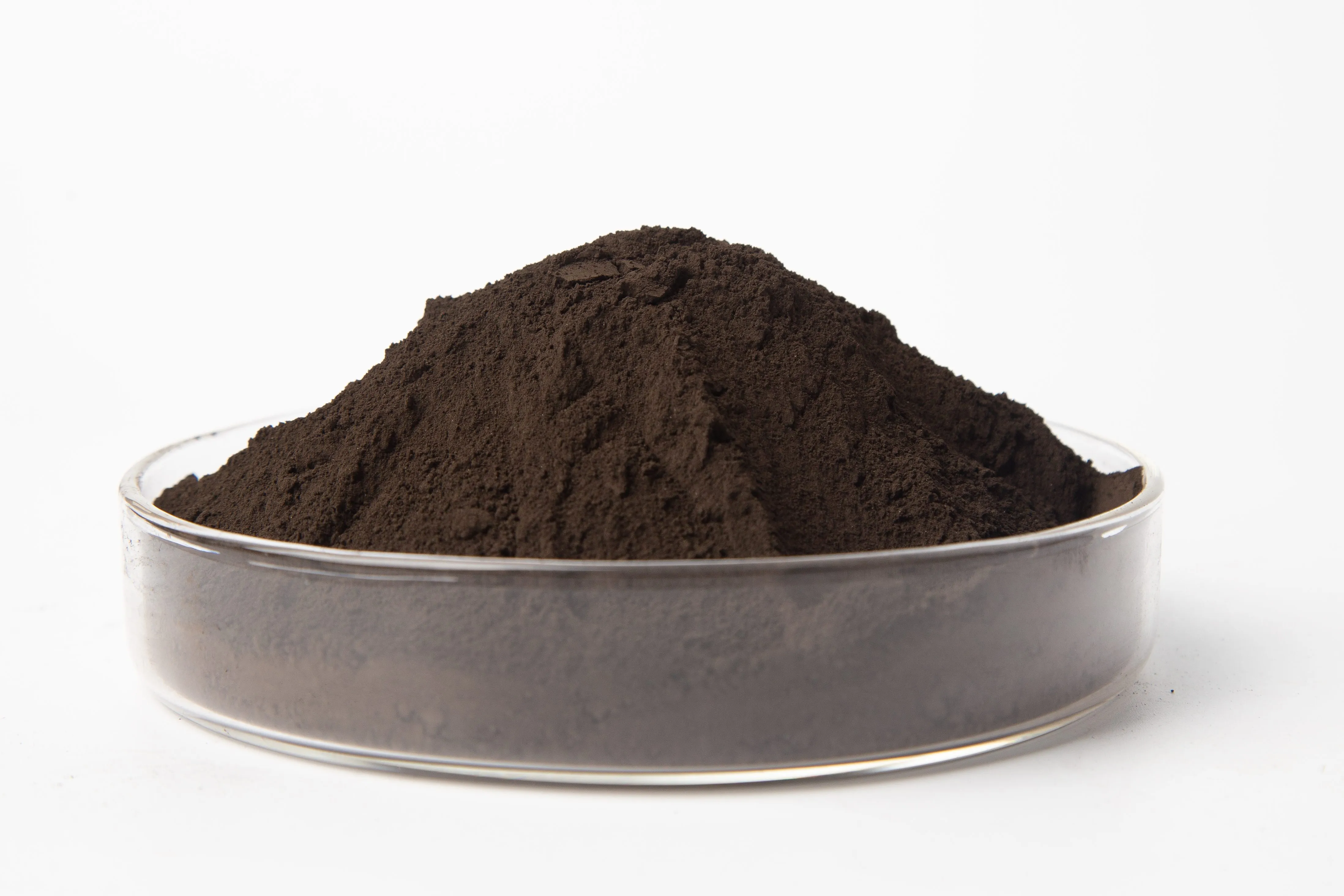
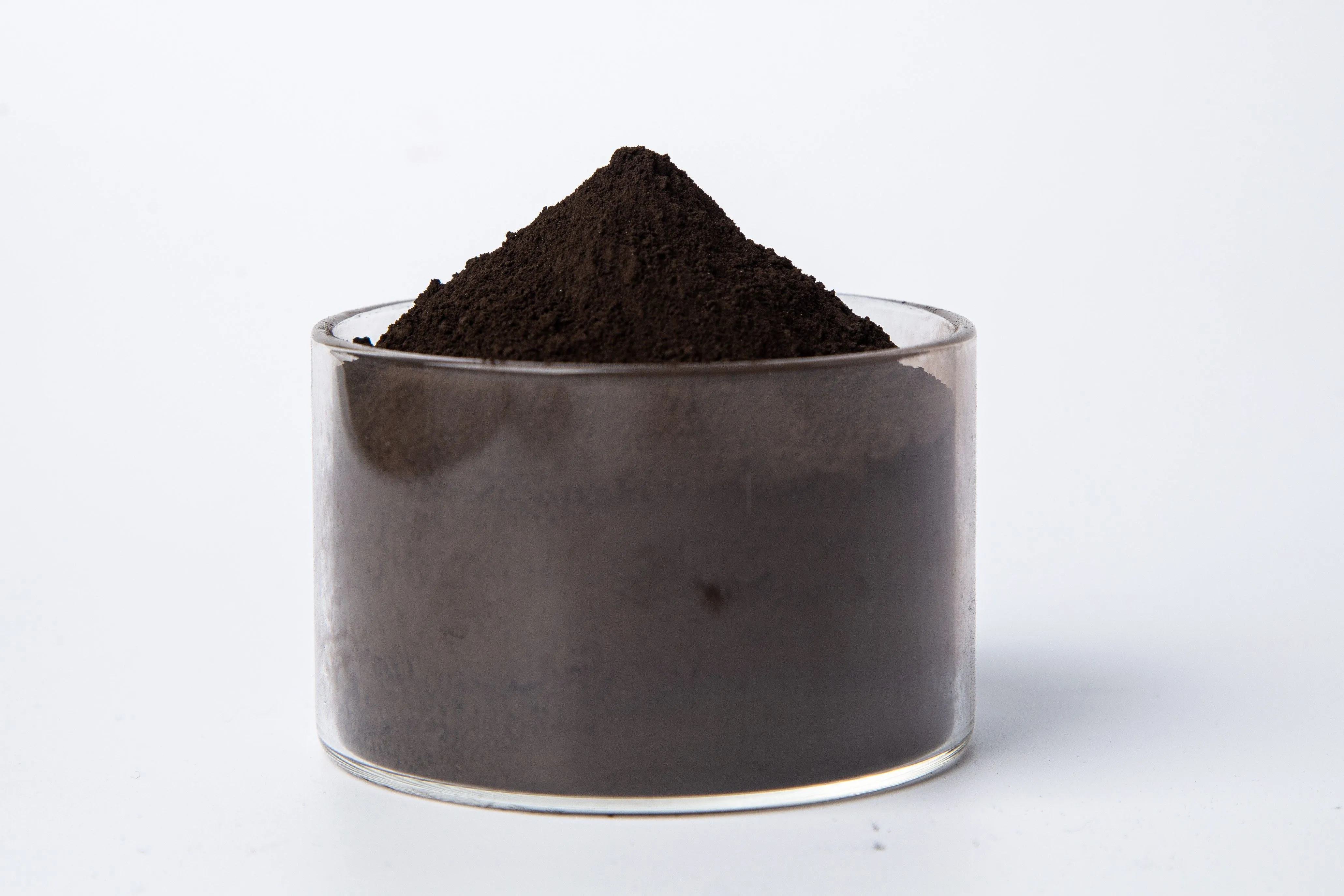
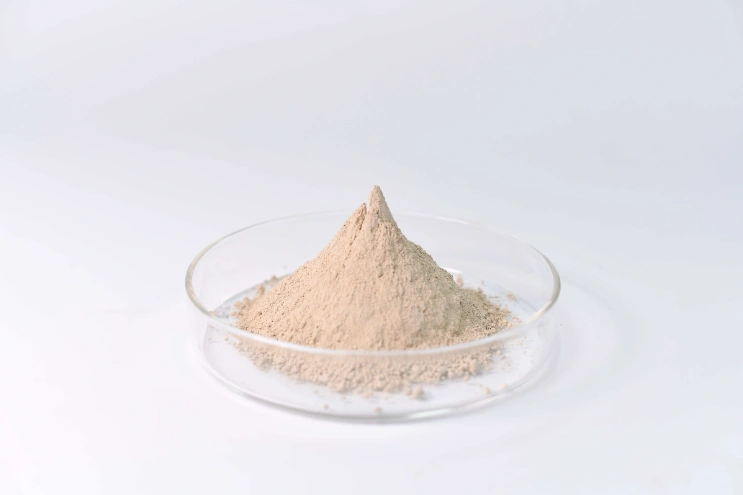
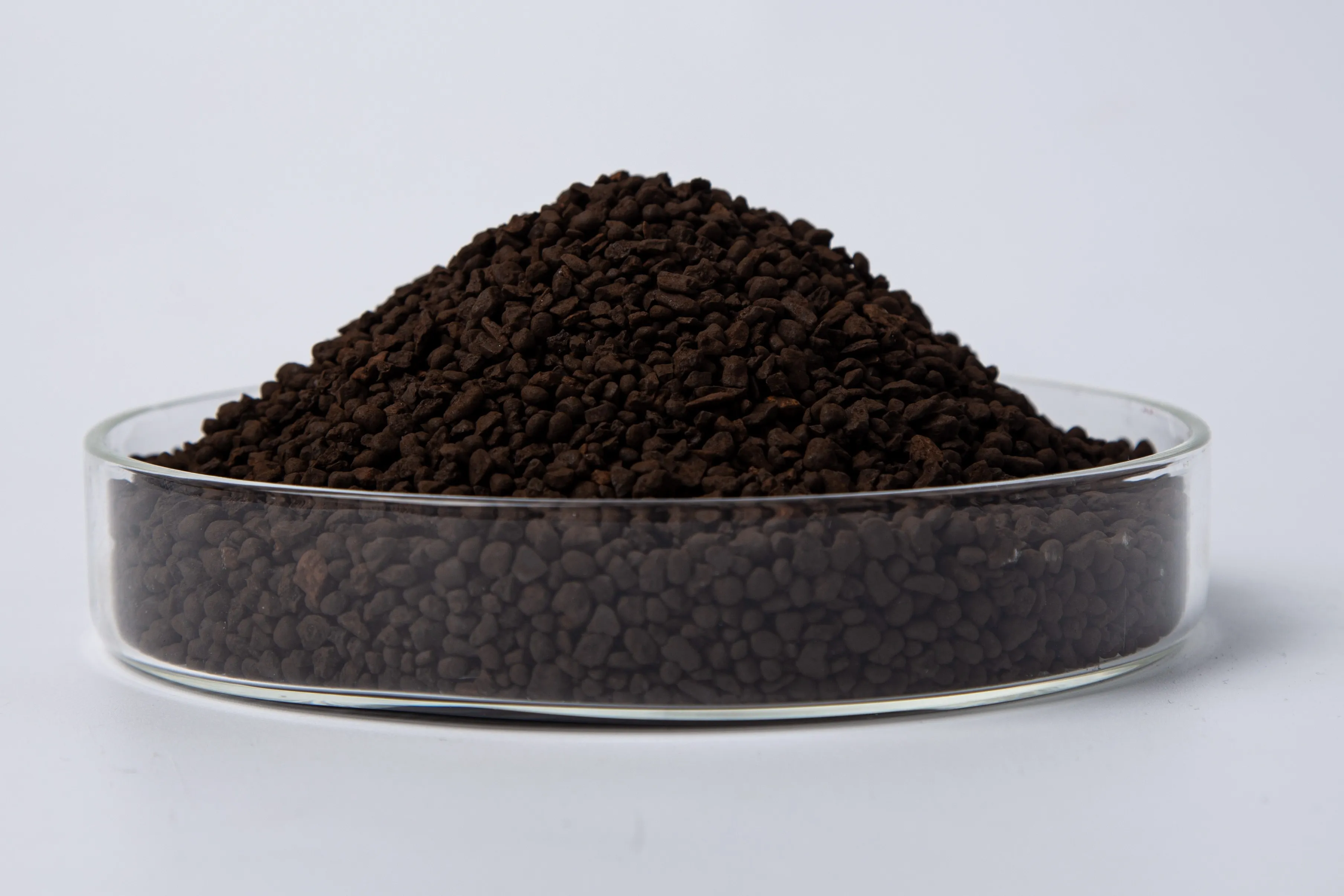
Application of Pigment manganese oxide production
In oxidation and catalytic chemical processes, Pigment manganese oxide production plays the role of a functional additive. The consistent oxidation states and large surface area enable the chemical osmosis to happen faster and allow to monitor the process behavior. The industrial sector utilizes the powder to ensure constant conversion rates and outcomes that can be replicated across the different batches. The fine nature of the powder allows perfect integration into liquid or solid formulations, which enhances its application in the multi-step chemical reactions. Through its control over oxidation, Pigment manganese oxide production helps the manufacturers to increase their production, lower the variations, and keep quality consistent in big chemical processing applications.
The future of Pigment manganese oxide production
The use of Pigment manganese oxide production is projected to be the catalyst for new novelties in the field of surface finishing and polishing technologies. Its unvarying particle shape makes it possible to have both controlled abrasion and uniform chemical interactions. Besides, future enhancements might even lead to the use of it in automated polishing systems with high throughput, thereby assuring the predictability of results and uniformity of quality in terms of surface. Thus, the manufacturers will adopt Pigment manganese oxide production for their production processes to be more efficient, for their finishing results to be less variable, and for their capacity to be bigger in the case of industrial surface treatment applications.
Care & Maintenance of Pigment manganese oxide production
The careful management of Pigment manganese oxide production involves great precision in controlling the storage and handling procedures. In order to keep the powder in uniform particle distribution, it is advisable to keep it in airtight containers placed on even and stable surfaces. Do not prevent or cause any segregation or clumping by not subjecting the powder to any quick movements or vibrations. The use of calibrated transfer and dosing equipment will eliminate material segregation in the production processes. Make it a habit to track continuously the batch homogeneity and flow characteristics so that consistent performance is achieved. These practices, followed by the manufacturers, result in maintaining reproducible behavior, optimizing process efficiency, and providing certainties in metallurgical, chemical, energy storage, and surface finishing applications.
QingChong Pigment manganese oxide production
In surface finishing and polishing applications, Pigment manganese oxide production adds to the performance of both the mechanical and the chemical nature. Its fine particle size guarantees the controlled abrasion and uniform interaction with the treated surfaces. The powder’s stable chemical properties allow the predictable behavior to be a supportive factor for the quality of the finishing to be consistent. Manufacturers use Pigment manganese oxide production in the automated or big-scale workflows to keep the consistency, cutting down on the deviations, and increasing the operational efficiency. Its uniform traits grant exact commanding of polishing effects thus, making it a precious thing for high-precision industrial surface treatment processes.
FAQ
Q: Manganese Oxide, can it be utilized for ceramic applications? A: Manganese oxide is a hundred percent announcing thermal stability, mechanical strength, and, at the same time, an assuring uniformity in the matrices of high temperatures. Q: What is the impact of it on surface treatment processes? A: It is the fine particles that give the surface controlled abrasion and predictable chemical interaction. Q: Manganese Oxide, is it a good fit for both batch and continuous processes? A: Manganese oxide is a hundred percent sure to behave the same way no matter which processing method is used. Q: What does it do to the situation of scaling from pilot to full production? A: The signal properties of Manganese Oxide give the assurance of being there through thick and thin when it comes to quality and uniformity even at the largest production capacities. Q: What type of equipment is suggested for Manganese Oxide handling? A: For even distribution of Manganese Oxide use coordinated hoppers, feeding systems, and also gentle transfer equipment.
Reviews
Olivia Davis
The Chemical Manganese Dioxide we received is highly reactive yet stable for industrial applications. Its fine particle distribution has allowed us to maintain reproducible chemical reactions, increasing productivity and reducing waste significantly.
Daniel Wilson
Manganese Carbonate from this supplier delivers consistent composition and particle quality. It integrates perfectly into our alloying processes, producing metals with uniform strength and hardness. Batch-to-batch consistency is highly reliable.
Latest Inquiries
To protect the privacy of our buyers, only public service email domains like Gmail, Yahoo, and MSN will be displayed. Additionally, only a limited portion of the inquiry content will be shown.
Amelia****@gmail.comGermany
Hello, we are interested in sourcing high-purity Manganese Dioxide for industrial applications. Coul...
Isabella****@gmail.comUnited Kingdom
Dear team, we would like to purchase Manganese Carbonate for alloy manufacturing. Could you provide ...